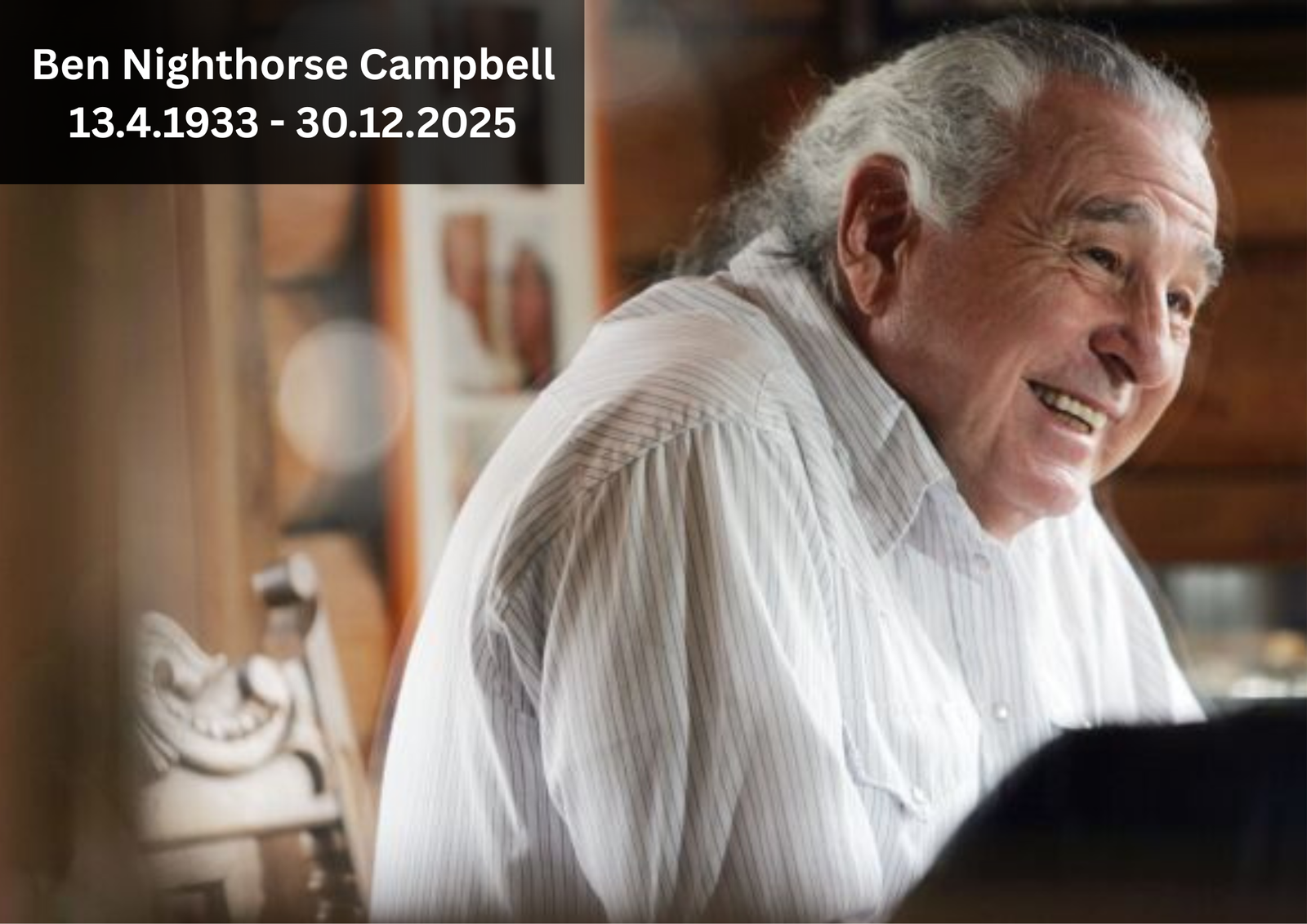
Ben Nighthorse Campbell, a former U.S. senator from Colorado whose career broke historic ground for Native Americans in federal politics, has died at the age of 92. His death marks the end of a life that bridged public service, athletic achievement, and cultural advocacy, leaving a lasting imprint on American political history.
Campbell passed away at his home in Ignacio, Colorado, surrounded by family members. According to relatives, his death followed long-term health complications related to prostate cancer, along with a recent illness. His passing has prompted tributes from leaders across party lines, reflecting a career defined by independence and personal conviction rather than strict ideology.
Born on April 13, 1933, in Auburn, California, Campbell’s early life was shaped by significant hardship. Raised largely by his father after his mother fell seriously ill, he spent part of his childhood in institutional care. These early experiences, friends and colleagues later noted, contributed to the resilience and self-reliance that became hallmarks of his public life.
Before entering politics, Campbell followed a path far removed from Washington. He served in the U.S. Air Force during the Korean War, working in air rescue operations overseas. After military service, he gained international recognition as an athlete, representing the United States in judo at the 1964 Olympic Games in Tokyo. He later became a respected jewelry designer and rancher, careers that connected him closely to Western traditions and craftsmanship.
Campbell’s entry into politics came through state government in Colorado, where he served in the legislature before winning election to the U.S. House of Representatives in 1986. In 1992, he advanced to the U.S. Senate, becoming the first Native American to hold a seat in that chamber. For much of his tenure, he was the only Native American serving in Congress, a distinction that carried both symbolic and practical importance.
Initially elected as a Democrat, Campbell made national headlines in 1995 when he changed his party affiliation to the Republican Party. The move was unusual but underscored his reputation as an independent lawmaker guided more by regional and personal principles than by party loyalty. He went on to win re-election in 1998 and served in the Senate until 2005, choosing not to pursue another term.
During his years in Congress, Campbell played a central role in shaping legislation affecting Native American communities, public lands, and transportation infrastructure. As chairman of the Senate Committee on Indian Affairs, he worked to advance tribal self-governance and housing initiatives, including landmark legislation that expanded local control and federal support for Native American housing programs.
He was also influential in environmental and land-use policy, particularly in the American West. Campbell supported conservation efforts that balanced environmental protection with economic activity, sponsoring legislation that helped establish protected areas while addressing the concerns of local communities. His work in transportation funding further strengthened infrastructure development in rural and western states.
Beyond policy, Campbell was widely recognized for his personal style and authenticity. He often wore traditional braids, bolo ties, and Native American jewelry in the Capitol, quietly challenging conventional expectations of political appearance. A lifelong martial artist, he held a black belt in judo and was known for riding his motorcycle to work, reinforcing his image as a lawmaker who remained grounded despite national prominence.
Colleagues from both parties remembered Campbell as a principled negotiator who valued respect and directness. Former allies and opponents alike described him as someone willing to cross political lines to achieve results, particularly on issues affecting Native American nations and the American West.
Campbell is survived by his wife of more than four decades, his children, and grandchildren. His family stated that he remained closely connected to his heritage and community throughout his life, even after leaving public office.
Funeral arrangements are expected to include services in both Colorado and Washington, D.C., reflecting the two places that defined his public and private life. As tributes continue to emerge, Ben Nighthorse Campbell is being remembered not only as a historic figure, but as a singular voice who brought a distinct perspective to the highest levels of American government.
U.S. Measles Cases Climb Past 2,000, Raising Public Health Concerns Nationwide-read this blog to understand the risks, expert warnings, and why staying informed now matters more than ever.