At the midpoint of the COP30 UN climate summit, more than 80 countries have jointly called for a concrete, time-bound plan to phase out fossil fuels, marking one of the strongest unified demands of any recent climate negotiation. Their proposal arrives as climate-vulnerable nations intensify appeals for financial support, highlighting both the long-term and immediate challenges of a rapidly warming world.
Coalition Calls for Clear Fossil Fuel Exit
The proposal-informally labeled the “Double Down” declaration-was led by a partnership between France and the Pacific island nation of Tuvalu. The group is urging negotiators to adopt language requiring global fossil fuel consumption to peak by 2025 and decline sharply afterward.
French Energy Minister Chloé Lemoine described the push as essential to “keeping the 1.5°C goal alive,” saying the world is running out of time to prevent irreversible climate damage.
Major Economies Push Back
Not all countries support the initiative. China, India, and Saudi Arabia, among others, argue that a universal fossil fuel sunset unfairly burdens developing nations. They emphasize that wealthier countries-those responsible for most historical emissions-should lead the transition and finance green alternatives.
Their stance sets up a contentious second week at COP30, especially after last year’s summit in Baku ended without a clear commitment to phasing out fossil fuels.
Jamaica’s $9.5 Billion Rebuilding Appeal
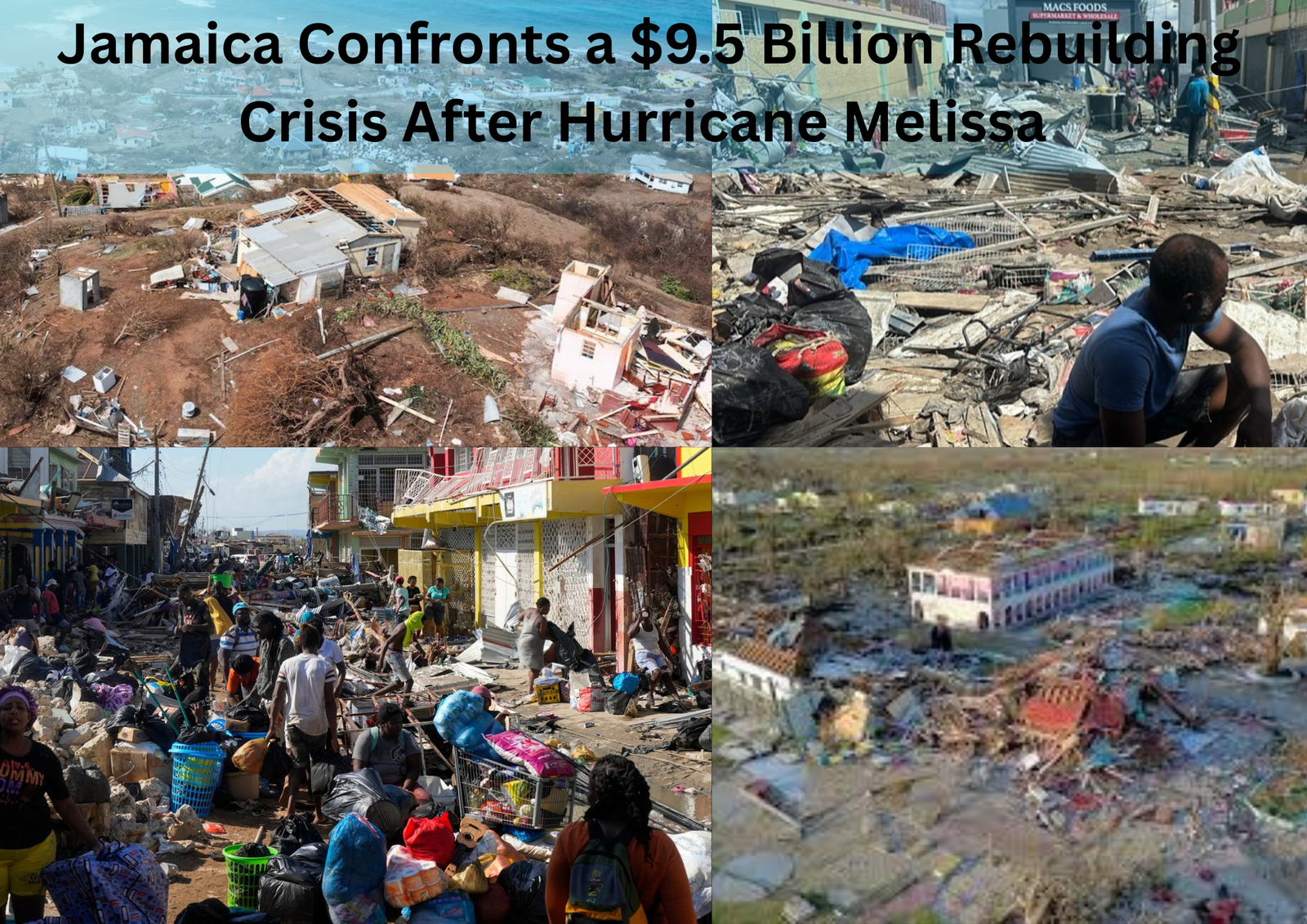
Climate finance emerged as another urgent theme after Jamaican cabinet minister Matthew Samuda told Reuters the country needs $9.5 billion in international support following the devastating impact of Hurricane Melissa.
The Category 4 storm tore across Jamaica earlier this month, destroying thousands homes and leaving 45 people dead. The prime minister stressed that rebuilding must focus on “climate-resilient infrastructure” such as reinforced housing, modernized electricity systems, and upgraded transport networks. She underscored that the storm’s severity reflected the escalating consequences of climate change.
Summit Focus Shifts Toward Implementation
UN Climate Chief Ben Roberts said the first week of COP30 marked a shift from “describing challenges” to “outlining solutions.” Negotiators are also debating a new global climate finance target to replace the long-standing $100 billion annual pledge made by developed countries-a figure that experts say is no longer adequate for global needs.
Looking Ahead
As the summit moves into its final stretch, diplomats face increasing pressure to deliver two major outcomes:
- a credible timeline for ending the fossil fuel era, and
- expanded financial support for nations already suffering climate-driven disasters.
Whether the divided parties can reconcile their positions will determine if COP30 becomes a turning point-or another stalled effort in the global fight against climate change.