Greenland’s political leadership has delivered a firm rejection to renewed U.S. efforts to acquire the Arctic territory, sparking diplomatic friction across Europe and raising questions about the future of NATO cooperation in the region.
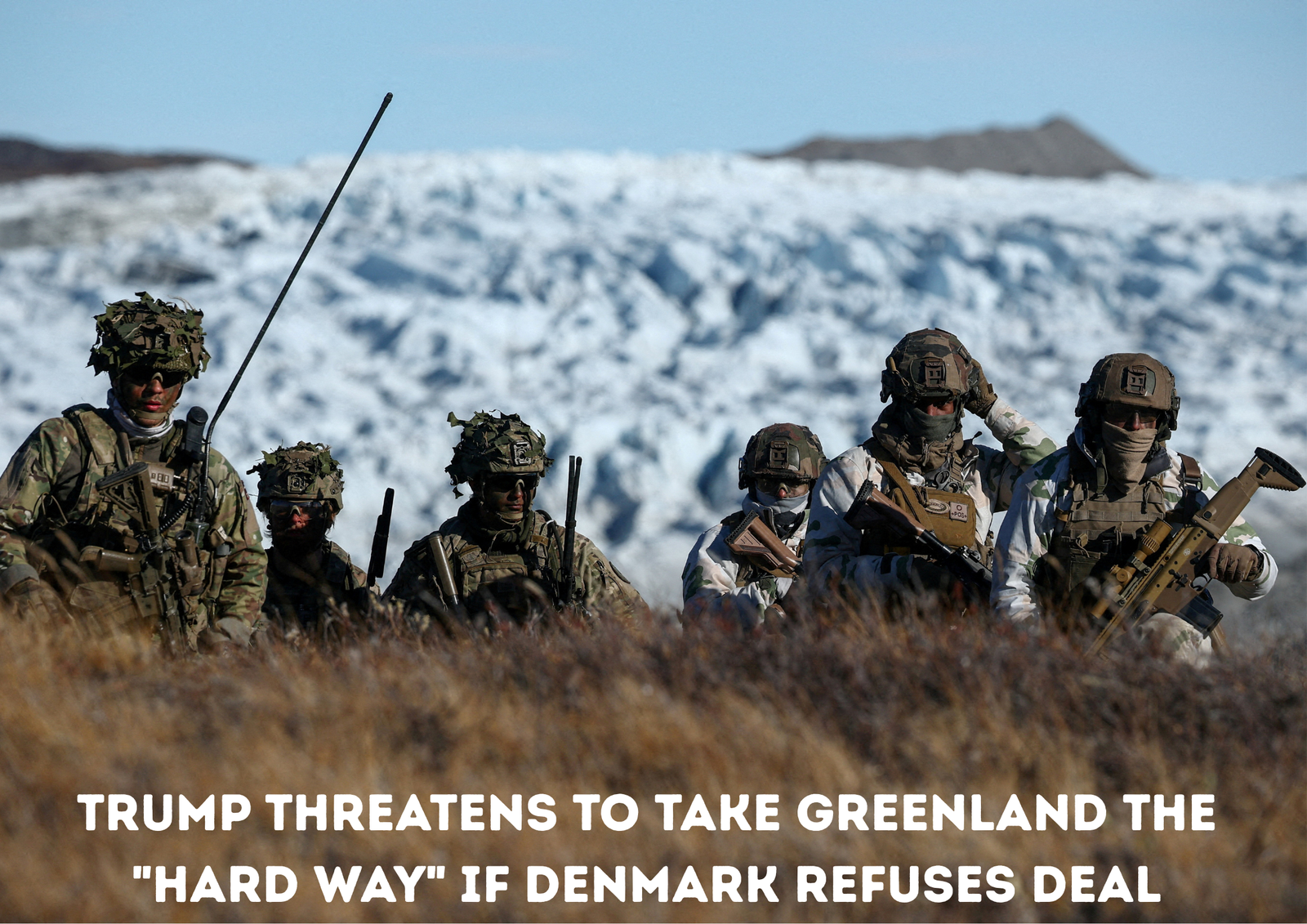
The response followed public statements by U.S. President Donald Trump, who once again pushed for the United States to assume control of Greenland, arguing that Washington required a stronger foothold in the Arctic to deter Russia and China. Trump suggested the transfer could occur “through agreement or through pressure,” without providing details on what pressure might entail.
Greenland’s government swiftly condemned the proposal and reiterated that the island’s status was not negotiable. Local lawmakers emphasized that only Greenlanders have the authority to decide their political future and that territorial bargaining between foreign governments would violate international principles of self-determination.
The push from Washington also drew a sharp rebuke from Denmark, Greenland’s sovereign authority, with Prime Minister Mette Frederiksen warning that any attempt to forcibly alter Greenland’s status would trigger a crisis within NATO. Several European capitals privately expressed concern that continued escalation could fracture the alliance at a time when Arctic security is becoming increasingly critical.
Residents in Nuuk have reacted with frustration toward the renewed pressure from the United States. Locals interviewed over the weekend dismissed both financial incentives and geopolitical reasoning, stating that Greenland’s natural resources and cultural identity must remain under their own control.
Defense analysts note that Greenland has no independent military forces and relies on Denmark for protection, making the political dispute significantly more complex. If Washington were to pursue aggressive measures, other NATO members would face the unprecedented dilemma of choosing between alliance solidarity and territorial sovereignty.
Diplomatic channels remain open for now, with representatives from the United States, Denmark, and Greenland continuing closed-door discussions. However, European officials concede privately that the situation represents one of NATO’s most sensitive internal disputes in decades.
For Greenlanders, the message remains clear: the island intends to chart its own course. As one Nuuk resident remarked, “We are not for sale – not yesterday, not today, not ever.”
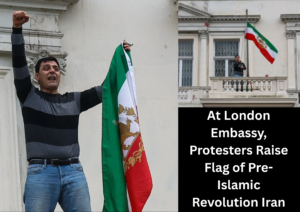
Protester Climbs Iranian Embassy in London, Replaces Flag as Global Solidarity Rallies Intensify – read the full story in my other blog for deeper insight and updates.