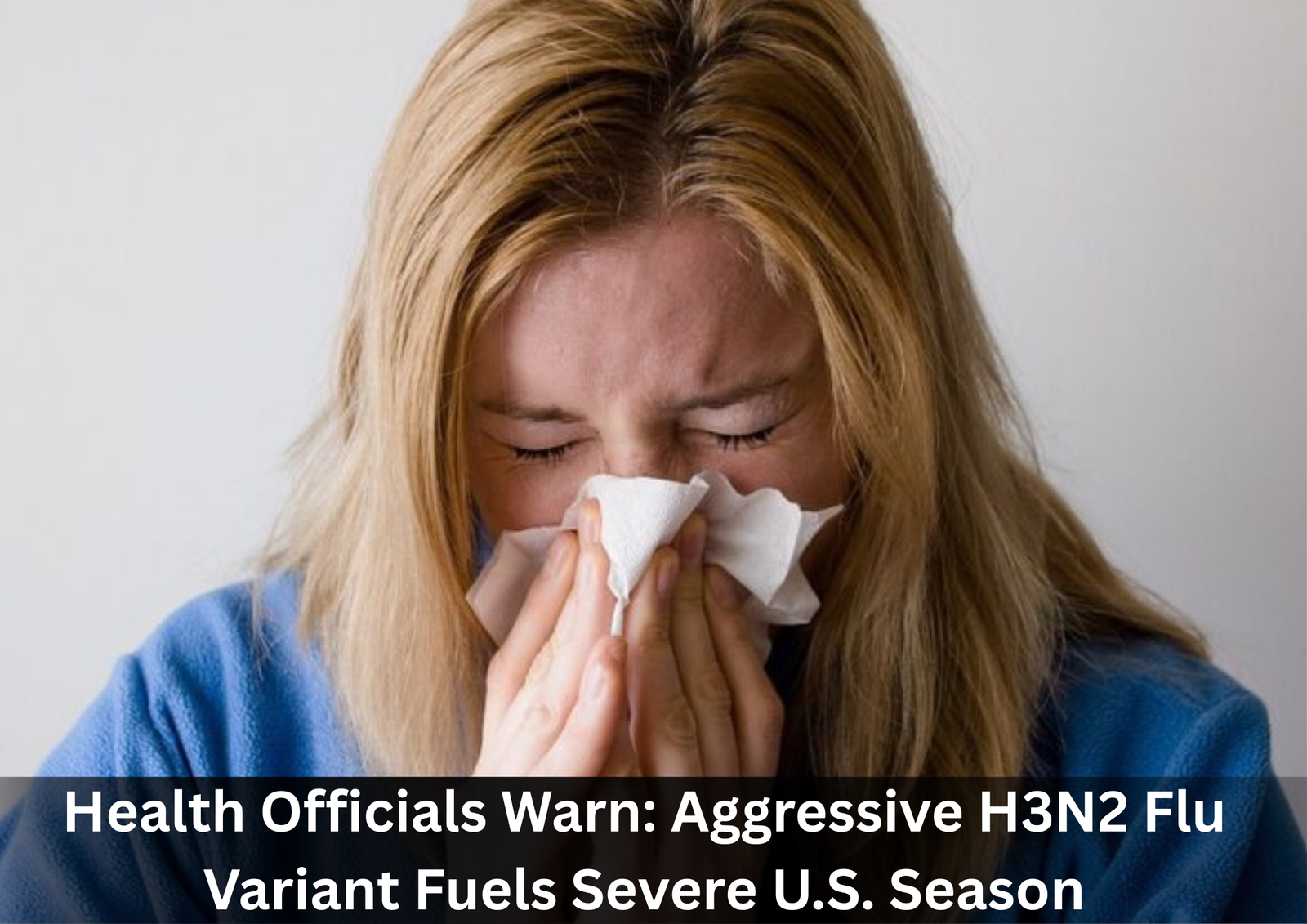
Health agencies across the United States are raising alarms as the current influenza season intensifies faster and earlier than expected, with a particularly aggressive strain driving rising illness and hospitalizations nationwide. Medical experts say the dominant virus circulating this winter is influenza A(H3N2), a subtype historically linked to more severe flu seasons.
Recent surveillance reports indicate that flu activity has reached elevated levels across large portions of the country. In nearly half of U.S. states, influenza spread is classified as high to very high, signaling widespread transmission. Clinics and emergency departments are reporting a sharp increase in patients seeking treatment for flu-like symptoms, placing additional strain on healthcare systems during the peak winter months.
According to national monitoring data, outpatient visits for influenza-like illness have climbed well above typical seasonal thresholds. Health officials note that the current rate significantly exceeds the baseline usually seen at this time of year, suggesting that the flu season may be both more intense and more prolonged than average.
Why H3N2 Is Causing Concern
The influenza A(H3N2) virus has become the dominant strain this season, and experts say this raises particular concerns for vulnerable populations. In past years, H3N2-dominant seasons have been associated with higher hospitalization rates, especially among older adults, young children, and individuals with underlying health conditions.
Public health specialists explain that immunity against H3N2 can be less durable, even among people who have had prior flu infections or vaccinations. While this season’s flu vaccine has been developed to closely match circulating strains, the virus’s ability to evolve may still reduce protection for some individuals.
Health officials stress, however, that vaccination remains one of the most effective tools for reducing severe outcomes. Even when infection occurs, vaccinated individuals are far less likely to experience complications requiring hospitalization or intensive care.
Hospitals Report Rising Severe Cases
In several states, hospitals are already seeing the impact of the escalating flu season. Michigan, in particular, has reported very high levels of flu activity, with doctors describing a notable rise in patients requiring inpatient treatment.
Healthcare providers say that unlike some milder seasons, this year’s flu is affecting not only high-risk individuals but also adults who were previously healthy. Physicians report an increase in complications such as pneumonia, dehydration, and respiratory distress, with some patients requiring admission to intensive care units.
Medical professionals emphasize that early treatment can make a meaningful difference. Antiviral medications, when taken soon after symptoms begin, can shorten illness duration, reduce symptom severity, and lower the risk of serious complications.
Symptoms Described as More Intense Than Usual
Patients affected by this season’s flu are describing symptoms that are sudden and severe. Common complaints include high fever, intense body aches, severe headaches, extreme fatigue, sore throat, and persistent dry cough. Many report feeling significantly debilitated within hours of symptom onset.
Because of the intensity of these symptoms, some people have informally referred to the illness as a “super flu.” While this is not a medical term, doctors acknowledge that the current strain appears to be causing stronger reactions in many patients compared to milder flu seasons.
Health experts caution that influenza should never be dismissed as a minor illness. Each year, the flu leads to thousands of hospitalizations and deaths, particularly among seniors and those with chronic medical conditions.
Public Health Guidance to Reduce Risk
In response to the rising flu activity, health authorities are urging the public to take immediate preventive measures. Vaccination remains the top recommendation for anyone who has not yet received a flu shot this season. Officials note that it is not too late to benefit, as flu activity is expected to continue for several weeks.
In addition to vaccination, early use of antiviral medications such as oseltamivir or peramivir is strongly advised for individuals who develop symptoms, particularly those at higher risk. These medications are most effective when started within the first 48 hours of illness.
Basic preventive steps also play a crucial role in slowing transmission. Frequent handwashing, avoiding close contact with sick individuals, covering coughs and sneezes, and wearing masks in crowded indoor environments can all reduce the spread of the virus.
Seniors Face the Highest Risk
Data from national hospitalization tracking shows that adults aged 65 and older are experiencing the highest rates of severe illness this season. Age-related immune changes and the presence of chronic conditions make older adults especially vulnerable to complications from H3N2 infections.
Health officials encourage families and caregivers to remain vigilant for warning signs in seniors, including difficulty breathing, persistent chest pain, confusion, or worsening symptoms. Prompt medical attention can be lifesaving in these cases.
Looking Ahead
Public health agencies continue to closely monitor flu trends as the season progresses. While it remains difficult to predict exactly how long the current surge will last, experts agree that proactive prevention and early treatment can significantly reduce the overall impact.
Officials emphasize that community awareness and individual action are critical. By staying informed, getting vaccinated, and seeking timely medical care, individuals can protect themselves and help limit the broader spread of influenza during what is shaping up to be one of the more challenging flu seasons in recent years.