
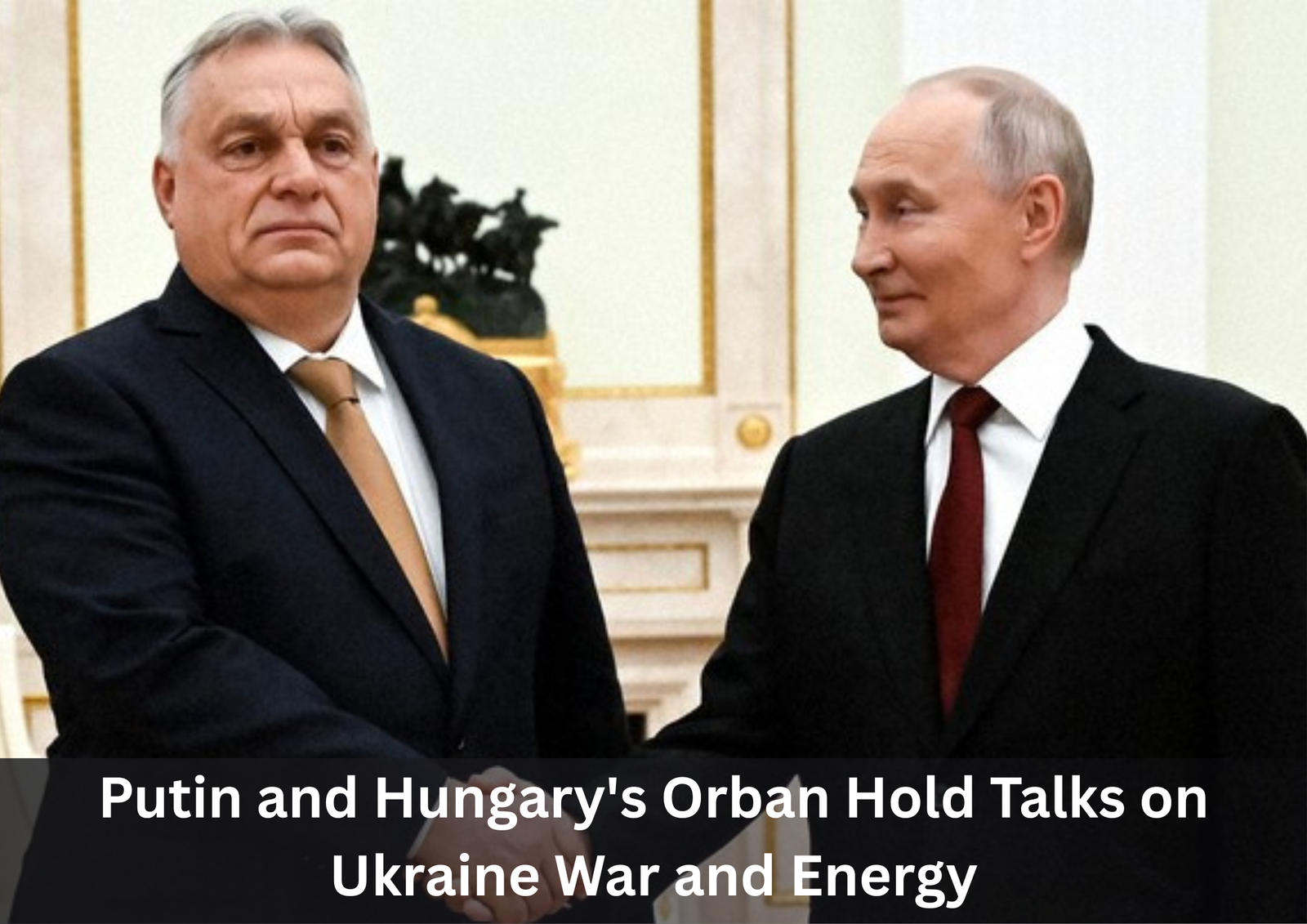
Hungarian Prime Minister Viktor Orban traveled to Moscow on November 28, 2025, for a rare face-to-face meeting with Russian President Vladimir Putin, marking his first visit to Russia since the Ukraine conflict escalated into full-scale war in 2022. The trip, conducted without prior coordination with European Union or NATO partners, immediately drew sharp reactions across Europe.
Energy Security Dominates the Agenda
A major focus of the talks centered on Hungary’s long-term energy needs. With existing oil and gas agreements approaching expiration, Orban emphasized that securing stable and affordable supplies is a national priority. He highlighted that Hungary relies heavily on Russian energy and cannot risk uncertainty as global markets continue to fluctuate.
Putin acknowledged the importance of the negotiations, noting that the two leaders discussed new areas of cooperation in the energy sector. Both sides signaled that their respective energy ministers would take the lead on drafting updated supply arrangements in the coming weeks.
Ukraine Conflict and Peace Prospects Discussed
Orban also used the meeting to explore potential diplomatic avenues concerning the ongoing war in Ukraine. He described the situation as increasingly volatile and said Hungary is interested in “realistic steps that could move the region closer to peace.”
Putin repeated Russia’s familiar stance, arguing that previous attempts at talks collapsed due to Western interference. He added that Moscow remains open to dialogue as long as discussions acknowledge the current “realities on the ground,” referring to territories under Russian control.
Sharp Criticism from Ukraine and Western Officials
The unannounced visit drew immediate condemnation from Kyiv. Ukrainian officials described Orban’s meeting as a gesture of support toward Russia at a time when allied unity remains crucial.
Within the EU and NATO, the trip raised concerns over Hungary’s continued deviation from the bloc’s collective approach on Russia. Budapest has frequently resisted sanctions and slowed joint decisions on Ukraine, arguing instead for diplomacy and ongoing economic engagement.
A Continuation of Hungary’s Russia-Focused Strategy
Hungary imports the majority of its oil and gas from Russia, making energy security a recurring theme in Orban’s foreign policy. His Moscow visit aligns with a long-standing pattern of maintaining closer ties with the Kremlin than other European leaders. The meeting also comes amid heavy fighting in eastern Ukraine, where the conflict shows little sign of easing.
As negotiations on new energy agreements move forward, Orban’s visit underscores the widening divide within the EU over how to balance geopolitical pressure with national interests.


