
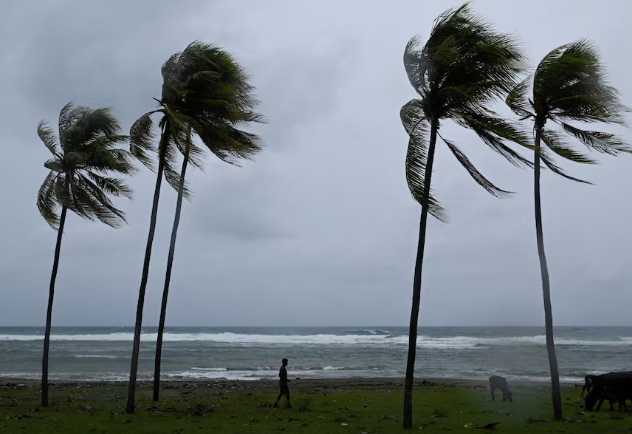
Category 5 Hurricane Brings Unprecedented Destruction
Hurricane Melissa, one of the most powerful storms ever recorded in the Caribbean, made landfall this week, leaving a catastrophic trail of destruction across Jamaica, Haiti, and Cuba. The Category 5 hurricane brought sustained winds of 185 mph (297 km/h), tearing through communities, destroying homes, and crippling vital infrastructure. Early estimates place the death toll at 50, with dozens still missing and hundreds of thousands displaced.
Meteorologists described Melissa as a “record-breaking storm,” both in strength and duration, as it lingered over the region for days. AccuWeather reports estimate total economic losses between $48 billion and $52 billion, making it one of the costliest natural disasters in Caribbean history.
Haiti Suffers Deadly Flooding and Landslides
In Haiti, the impact was especially severe. Torrential rain triggered devastating floods and landslides, resulting in at least 31 confirmed deaths and 20 people still missing. The coastal town of Petit-Goave was among the hardest hit, with entire neighborhoods submerged and roadways washed away. Emergency crews have been struggling to reach isolated areas due to collapsed bridges and blocked routes.
Local officials have declared a state of emergency, urging international aid agencies to assist with rescue efforts. Thousands of residents remain without power or clean water, increasing fears of a potential cholera outbreak in the coming days.
Jamaica Endures Catastrophic Winds and Crop Losses
Melissa first made landfall in Jamaica, where hurricane-force winds leveled homes and uprooted trees across the island. The storm destroyed power lines, cut off communications, and severely damaged agricultural lands particularly in the parishes of St. Elizabeth and Manchester.
Government officials confirmed that Jamaican farms have suffered extensive losses, raising concerns about food shortages in the coming weeks. The World Food Programme (WFP) has already begun distributing emergency rations, while humanitarian groups coordinate delivery of clean water and medical aid to affected communities.
Cuba Evacuates Hundreds of Thousands
While Cuba reported no deaths, the island sustained heavy damage to homes, roads, and farmlands, especially in Santiago de Cuba and nearby provinces. Authorities preemptively evacuated hundreds of thousands of residents before the hurricane made landfall, a move credited with saving many lives. Power outages have affected large portions of eastern Cuba, and initial assessments reveal widespread destruction to key agricultural zones.
Cuban officials are now focusing on rebuilding damaged infrastructure and restoring essential services, as recovery teams work around the clock to clear debris.
Relief Efforts Mobilized Across the Region
International aid has begun to arrive as the scale of Hurricane Melissa’s devastation becomes clearer. The United Nations, World Food Programme, and U.S. search and rescue teams are coordinating with local governments to provide emergency assistance. Relief efforts include food distribution in Jamaica, medical support in Haiti, and infrastructure repair in Cuba.
Despite these efforts, officials warn that recovery will take months, if not years. The combination of widespread homelessness, food insecurity, and economic losses has created a humanitarian crisis that will require sustained international support.
A Stark Reminder of Climate Vulnerability
Experts say Hurricane Melissa is another alarming example of how climate change is intensifying tropical storms in both strength and frequency. Warmer ocean temperatures and shifting atmospheric patterns have made the Caribbean increasingly vulnerable to extreme weather events.
For now, residents across the region face the long road to recovery rebuilding shattered communities and mourning the lives lost in what will likely be remembered as one of the most destructive hurricanes in recent memory.

