
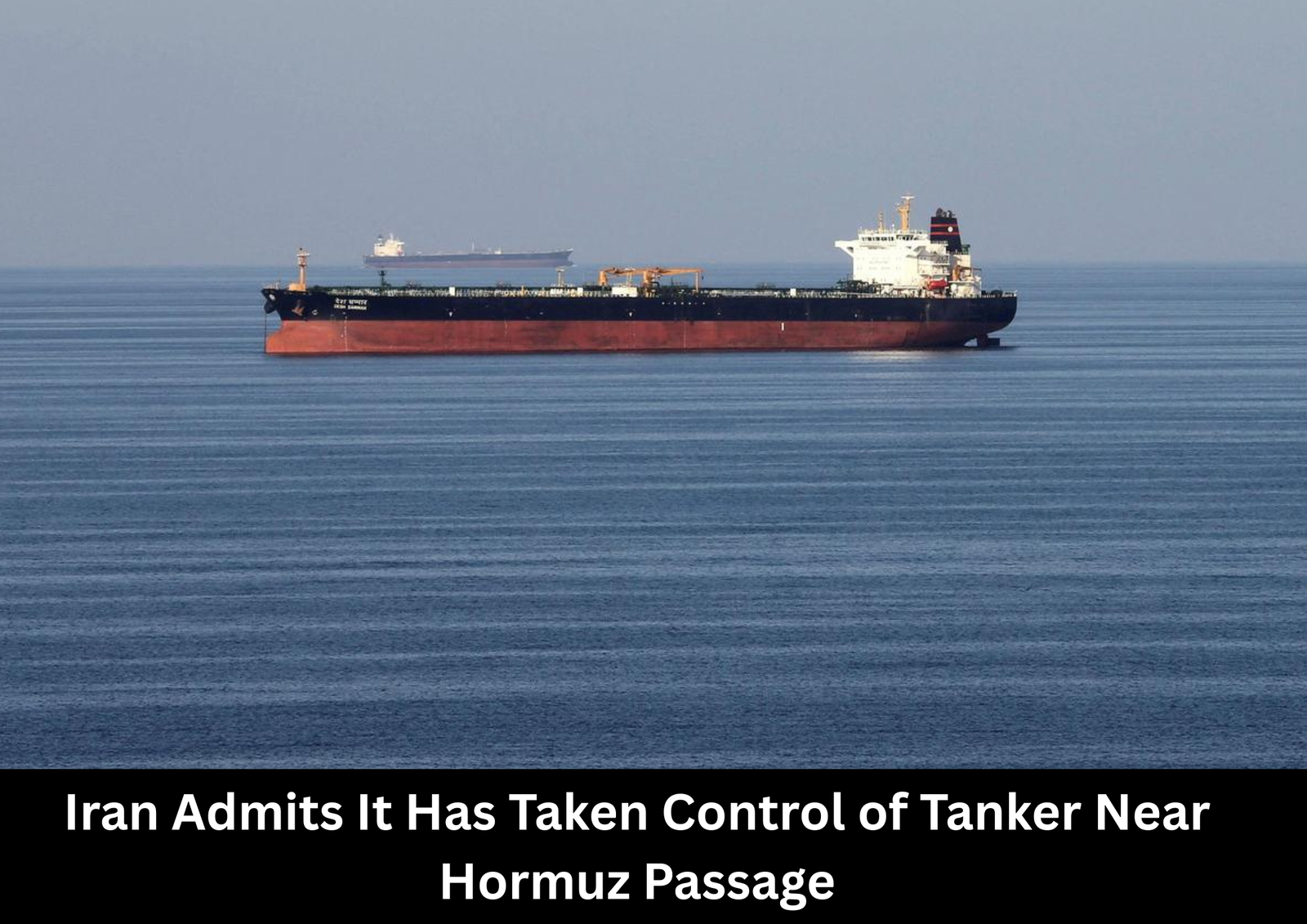
Tensions in one of the world’s most strategically important waterways escalated on Saturday after Iran’s Islamic Revolutionary Guard Corps (IRGC) intercepted and detained a Singapore-flagged oil tanker in the Strait of Hormuz. The vessel, identified as the Talara, was escorted into Iranian waters following what Tehran described as a legally sanctioned operation.
The IRGC’s naval branch announced that the tanker was apprehended under a judicial order issued by Iranian authorities. According to statements released through state media, the decision followed an alleged collision between the Talara and an Iranian support vessel earlier in the day. Officials claimed the foreign tanker “ignored repeated warnings” after the incident and attempted to continue its transit through the strait.
Iranian officials accused the Talara of causing environmental harm and failing to stop and report the collision. The IRGC said the ship would remain in custody while investigators assess the extent of the damage to the Iranian vessel and review data from navigation and communication systems.
The Strait of Hormuz remains one of the most sensitive maritime chokepoints globally, with nearly 20 percent of internationally traded oil passing through its narrow channel. Any disruption in the area typically raises immediate concerns about global energy markets and shipping security.
As of Saturday, authorities in Singapore had not released a formal statement. Maritime security analysts noted that the seizure could heighten regional uncertainty, especially amid ongoing geopolitical friction involving Iran and Western nations over shipping safety and oil transport.
International observers and major shipping companies are closely watching the situation, wary of potential ripple effects across global supply routes. While confrontations in the Gulf have occurred periodically over the past decade, the latest incident underscores the persistent volatility surrounding maritime transit in the region.


