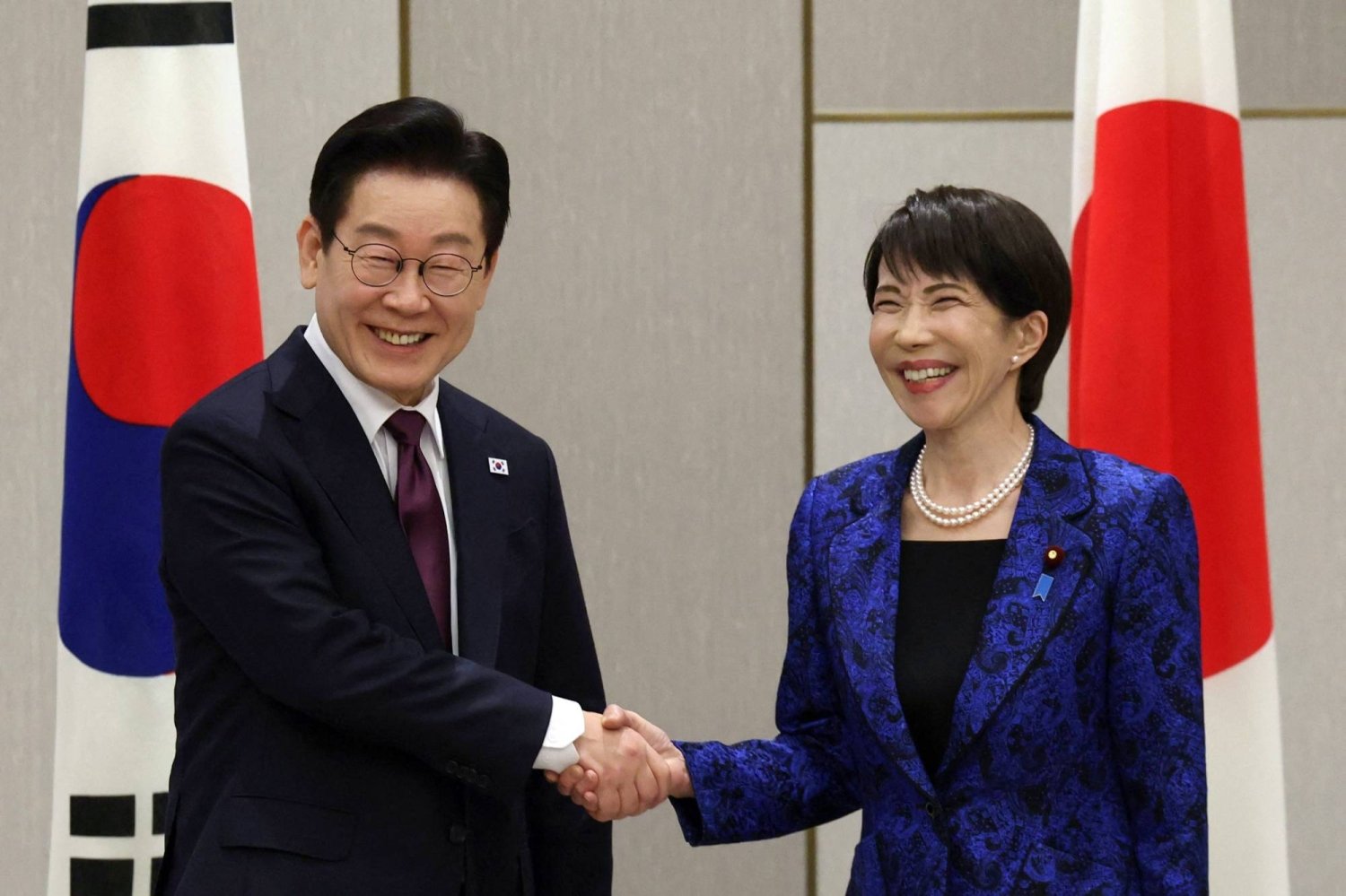
Japanese Prime Minister Sanae Takaichi and South Korean President Lee Jae Myung met in the historic city of Nara on Tuesday for their second bilateral summit in just three months, a pace that both governments say reflects a new phase of diplomacy between Tokyo and Seoul. The rapid resumption of leader-to-leader dialogue follows years of disputes and cautious engagement between the two East Asian neighbors.
During the talks, both sides emphasized the importance of coordinated approaches to regional security issues, including the roles of China and the United States in maintaining stability in the Indo-Pacific. With tensions and global power alignments shifting, Takaichi and Lee stressed that there is strategic value in avoiding zero-sum dynamics and instead working through shared priorities.
Officials described the international landscape as “complicated” and “fast-moving,” with both leaders publicly committing to more structured communication frameworks to avoid misunderstandings and maintain cooperation. Analysts say that such messaging is intended not only for domestic audiences but also for Washington and Beijing, who both seek influence in Northeast Asia.
Following the diplomatic discussions, the summit took an unexpectedly cultural turn. In a moment that drew widespread attention online, Takaichi invited President Lee to participate in a brief drumming session set to popular K-pop tracks, including BTS’s global hit “Dynamite.” Takaichi, a long-time rock and heavy metal enthusiast known for her college-era drumming, guided Lee through the rhythms as aides and media looked on.
The scene quickly made its way onto social media. President Lee posted on X that playing the drums had been a personal dream and thanked Takaichi for arranging the experience. He added that their coordinated performance symbolized how Japan and South Korea could “respect differences and find rhythm together,” expressing hope for deeper cooperation in the months ahead.
Prime Minister Takaichi later echoed similar sentiments on X, reaffirming a commitment to what she described as a “forward-looking and stable” relationship built through consistent shuttle diplomacy and direct communication between the two governments. The remark signaled that both countries aim to keep high-level exchanges frequent rather than sporadic.
While neither leader announced major policy breakthroughs or new treaties, officials on both sides highlighted the summit as part of a deliberate shift away from mistrust and toward strategic partnership. Observers noted that even small gestures – such as the cultural exchange – are significant in a region where symbolism often shapes political messaging as much as policy statements.
The Nara summit ultimately positioned the Japan–South Korea relationship as one entering a less adversarial and more pragmatic era, fueled by shared regional challenges and mutual interest in stability. Whether the momentum continues will depend on sustained political will in both capitals, but for now, the tone has markedly changed.
“Iran Faces New Wave of Public Dissent, Raising Questions Over Long-Term Regime Stability – read the full analysis in my latest blog for deeper insights.”