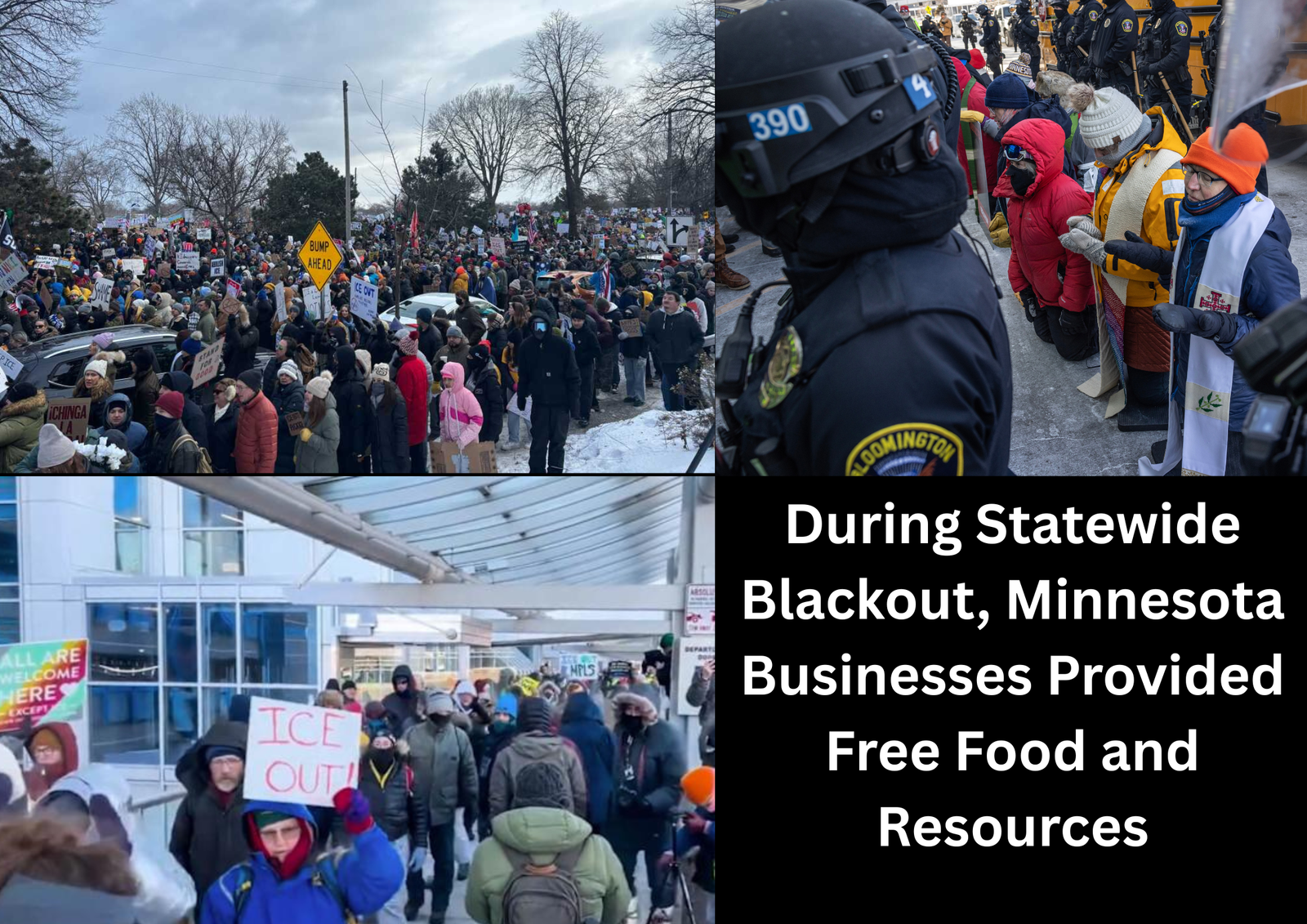
Thousands of residents across Minnesota took part in coordinated demonstrations Friday, braving extreme winter conditions to protest an ongoing federal immigration enforcement operation that has reshaped daily life in the Twin Cities. The actions, which included airport sit-ins, widespread business shutdowns, and neighborhood support initiatives, marked one of the largest public responses to immigration policy seen in the state in recent years.
The day of action unfolded amid heightened tensions following weeks of increased federal activity and a fatal incident earlier this month that intensified public scrutiny of enforcement tactics.
Protest Activity Leads to Arrests at Minneapolis-St. Paul Airport
One of the most visible demonstrations occurred at Minneapolis-St. Paul International Airport, where clergy members and community leaders gathered to oppose the use of commercial aviation infrastructure in immigration enforcement. Participants knelt in prayer and held signs calling on airline operators to publicly distance themselves from federal operations.
Airport authorities confirmed that arrests were made after demonstrators exceeded the limits of a previously approved permit. Officials stated the action was necessary to maintain airport safety and ensure uninterrupted operations. Protest organizers, however, described the gathering as peaceful and said participants were detained despite freezing temperatures well below zero.
Advocacy groups claim the airport has played a role in thousands of deportation-related transfers in recent months, an allegation airport officials have not publicly addressed.
Businesses Close Doors in Coordinated Economic Protest
Beyond the airport, the demonstrations expanded into a citywide economic protest. Hundreds of small businesses across Minneapolis and St. Paul closed for the day, framing the shutdown as a symbolic strike against federal enforcement policies.
Several business owners said the decision was financially difficult but necessary to draw attention to the broader impact of immigration raids on workers, families, and local economies. Streets that are typically busy on Fridays appeared unusually quiet as storefronts remained dark and signs of solidarity filled windows.
Organizers described the closures as a direct attempt to demonstrate how deeply immigrant labor is embedded in the region’s economic fabric.
Community Spaces Shift Focus to Mutual Aid
While many establishments closed, some community-focused businesses opened their doors for a different purpose: providing warmth, food, and gathering space. In neighborhoods experiencing frequent enforcement activity, cafes and community venues served free meals, hot drinks, and offered shelter from the cold.
In one South Minneapolis neighborhood, residents gathered at a worker-owned cafe located near the site of a recent fatal shooting involving a federal agent. Volunteers prepared food throughout the day while community members shared information and concerns.
Elsewhere, a coffee shop and music venue hosted a potluck and distributed supplies, with donations arriving after word spread on social media. Several local elected officials were seen joining neighborhood patrols aimed at monitoring enforcement activity and supporting residents.
Rising Tensions Following Fatal January Incident
Public concern escalated earlier this month after the death of Renee Nicole Good, an American citizen who was fatally shot during an encounter with a federal agent. The incident prompted protests and renewed calls for transparency and accountability.
Authorities reported that a separate demonstration at a federal building later turned confrontational, resulting in property damage and additional arrests. Officials emphasized the distinction between lawful protests and actions that threaten public safety.
Residents in multiple neighborhoods report seeing enforcement vehicles daily, prompting informal alert systems and community watches. Some parents say fear has kept children home from school, while volunteers describe a growing sense of anxiety among neighbors.
Legal Challenges and Continued Demonstrations Expected
Friday’s actions also included street marches and traffic disruptions in both Minneapolis and St. Paul. Organizers indicated that additional demonstrations are planned in the coming weeks.
At the same time, several legal challenges have been filed seeking to limit the scope and conduct of the federal operation. State and local officials have publicly called for clearer guidelines and increased oversight as debates over jurisdiction and enforcement authority continue.
As winter conditions persist and tensions remain high, Minnesota communities appear poised for ongoing activism as residents, business owners, and local leaders grapple with the broader consequences of federal immigration policy.
If you want full updates and safety insights, read this blog on “Severe Winter System Sweeps Across the U.S., Bringing Snow, Ice, and Dangerous Cold” before conditions worsen nationwide.