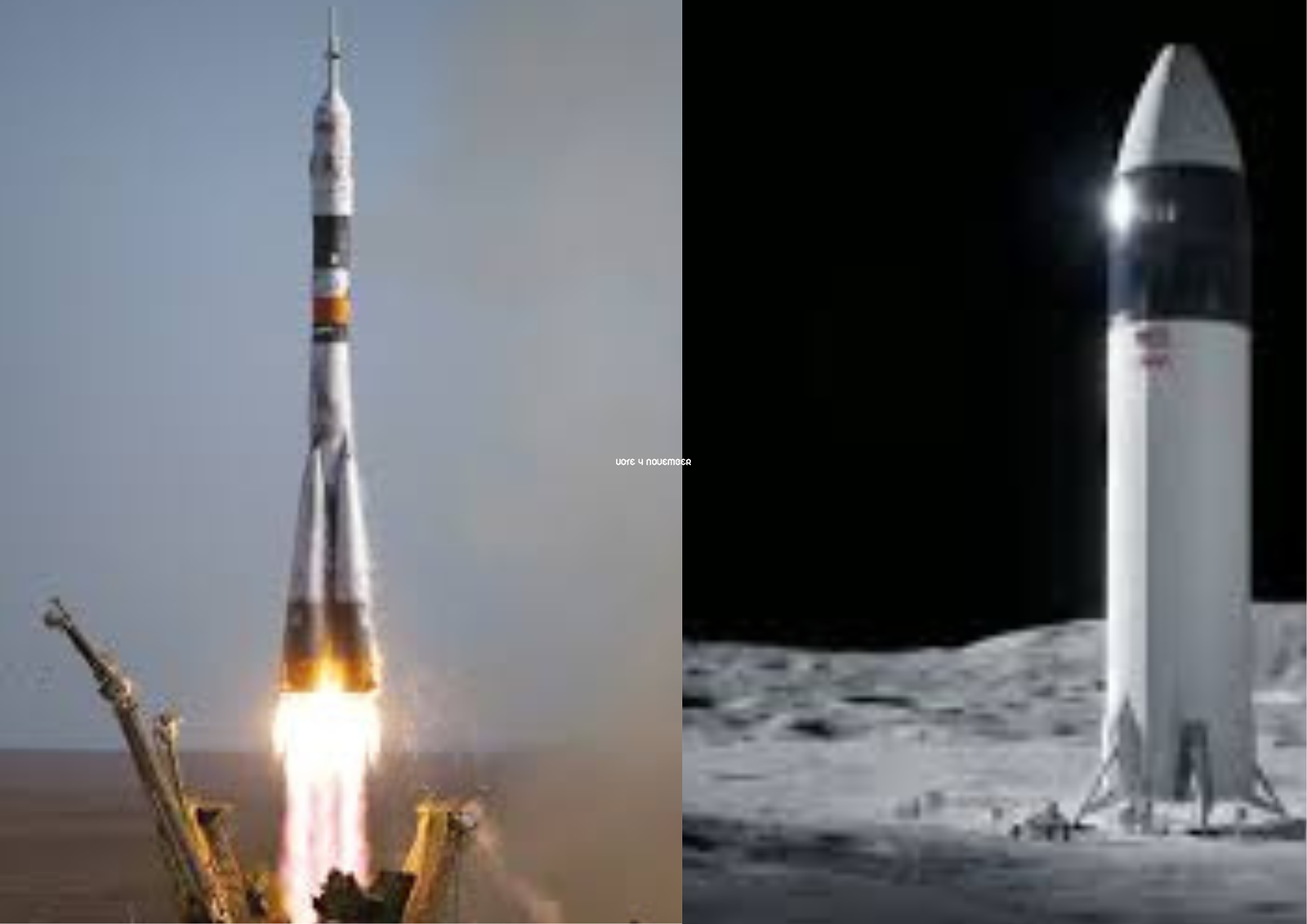
NASA’s Second Lander Procurement
NASA is evaluating competing proposals from SpaceX and Blue Origin as part of its plan to secure a second lunar lander provider for future Artemis missions. The move is intended to ensure redundancy and encourage competition following the initial Human Landing System (HLS) contract awarded to SpaceX in 2021.
Under this new procurement effort, NASA expects to select an additional company to deliver astronauts to the lunar surface beginning with the Artemis V mission. Officials say that maintaining two independent lander systems will not only strengthen reliability but also enable more frequent lunar missions as the program scales up in the late 2020s.
SpaceX’s Streamlined Starship Lander
SpaceX continues to refine its Starship-based lunar lander, introducing several design adjustments aimed at reducing mass and complexity. One of the most notable changes is the removal of the airlock previously included in early blueprints. Instead, astronauts will move directly between the Starship and either the Orion spacecraft or the planned lunar Gateway station through a docking hatch.
According to SpaceX engineers, this direct-transfer method simplifies operations and improves safety margins. The company is also redesigning the vehicle’s tank domes to make manufacturing more efficient. Despite these modifications, the core concept remains unchanged – Starship will require multiple refueling flights in Earth orbit before setting course for the Moon.
SpaceX has reportedly conducted hundreds of propellant transfer tests, a crucial step in developing the technology needed to support long-duration missions and high-mass payloads.
Blue Origin’s Competing Blue Moon Lander
Blue Origin, heading a consortium of major aerospace partners including Lockheed Martin, Draper, Boeing, Astrobotic, and Honeybee Robotics, is pursuing a very different approach. Its Blue Moon Mark 2 lander relies on liquid hydrogen and liquid oxygen propellants, avoiding the need for orbital refueling.
Company executives have emphasized the system’s long-term sustainability potential – the same types of propellants could one day be produced directly from water ice found on the Moon’s surface. Blue Origin has already invested more than $3 billion into development, infrastructure, and testing since its first HLS proposal, and it aims to position its design as a foundation for continuous lunar operations.
Technical and Schedule Challenges
NASA’s ambitious timeline for Artemis III – the first crewed lunar landing under the program – continues to face pressure. A 2024 Government Accountability Office report suggested that the mission is unlikely to launch before 2027 due to technical and logistical hurdles.
Much of that delay stems from SpaceX’s complex orbital refueling architecture, which depends on a fleet of tanker Starships operating in coordination. A NASA program manager noted that the agency may consider adjusting or “de-scoping” elements of Artemis III to maintain momentum, though specific options have not yet been disclosed.
Both SpaceX and Blue Origin’s systems are designed to interface with NASA’s Orion spacecraft and the future Gateway outpost, keeping long-term interoperability in focus.
Looking Ahead: The Artemis Path Forward
NASA’s upcoming decision on a second lander marks a pivotal point for the Artemis program. Officials believe fostering healthy competition between providers will accelerate innovation and strengthen America’s return to the Moon.
With reviews now underway, the agency is expected to announce its selection in the coming months. The new landers – one from SpaceX and potentially one from Blue Origin – will form the backbone of NASA’s long-term lunar strategy. Beyond the immediate goal of landing astronauts, the Artemis program is laying the groundwork for a sustained presence on the Moon, a vital stepping stone toward future human missions to Mars.