The Australian state of New South Wales is preparing to introduce sweeping new legislation aimed at curbing extremist rhetoric and symbols in public spaces, following a deadly terrorist attack at Bondi Beach earlier this month. State officials say the measures are designed to prevent hate-driven violence and restore public confidence after one of the country’s most traumatic incidents in decades.
Premier Chris Minns confirmed that the state parliament will be recalled to debate laws that would criminalize certain chants linked to extremist ideologies and prohibit the public display of symbols associated with terrorist organizations. Among the proposals is a ban on the phrase “globalize the intifada,” which authorities argue has become a rallying cry connected to violence and intimidation.
Attack That Prompted Action
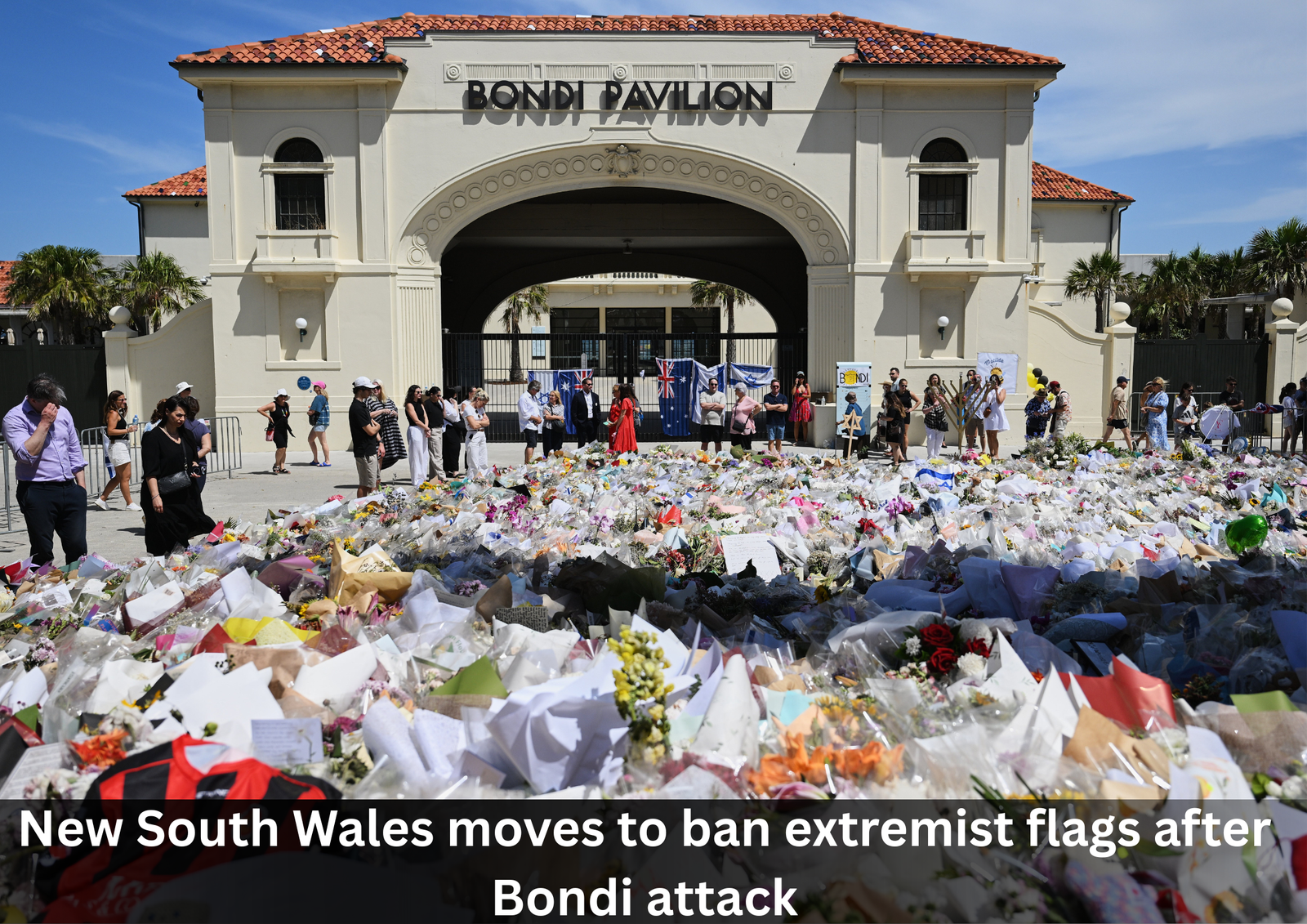
The legislative push comes after a mass shooting during a Hanukkah gathering at Bondi Beach on December 14. Fifteen people were killed and dozens injured when two attackers opened fire on the crowd. Police later classified the incident as a terrorist act inspired by Islamic State ideology.
One suspect was fatally shot by police at the scene, while the second was taken into custody after being hospitalized. Investigators reported finding extremist materials, including homemade flags, in the attackers’ vehicle, intensifying calls for stronger preventive laws.
Proposed Legal Changes
Under the planned reforms, displaying symbols linked to banned extremist groups could carry prison sentences of up to two years, along with significant fines. Police would also be granted expanded authority to intervene in public demonstrations, including powers to temporarily ban protests deemed a security risk and require the removal of face coverings in certain situations.
Premier Minns stated that recent events demonstrated how extremist language can escalate into real-world harm, adding that public safety must take precedence when speech crosses into incitement.
National Response and Broader Measures
The response is not limited to New South Wales. Prime Minister Anthony Albanese announced additional federal steps, including a nationwide firearm buyback program targeting illegal and surplus weapons. The federal government is also considering amendments that would allow hate-motivated intent to be treated as an aggravating factor during sentencing.
Officials say the combined state and federal actions reflect a renewed commitment to countering extremism while maintaining Australia’s core democratic values.
Free Speech Debate
Civil liberties groups and legal experts have raised concerns about how the new laws may affect freedom of expression. Some argue that political slogans can carry different meanings depending on context, warning against overly broad restrictions. Government leaders, however, maintain that the intent behind the proposed bans is narrowly focused on preventing violence and protecting vulnerable communities.
Community Mourning and Reflection
In the days following the attack, Australia observed a nationwide period of mourning. Vigils were held across major cities, and flags flew at half-mast. At Bondi Beach, surfers and lifeguards participated in a memorial paddle-out to honor the victims, while a minute of silence was observed nationwide at the exact time the shooting began.
As New South Wales prepares to debate the proposed legislation, the tragedy has sparked a broader national conversation about balancing security, social cohesion, and civil liberties in an increasingly tense global climate.