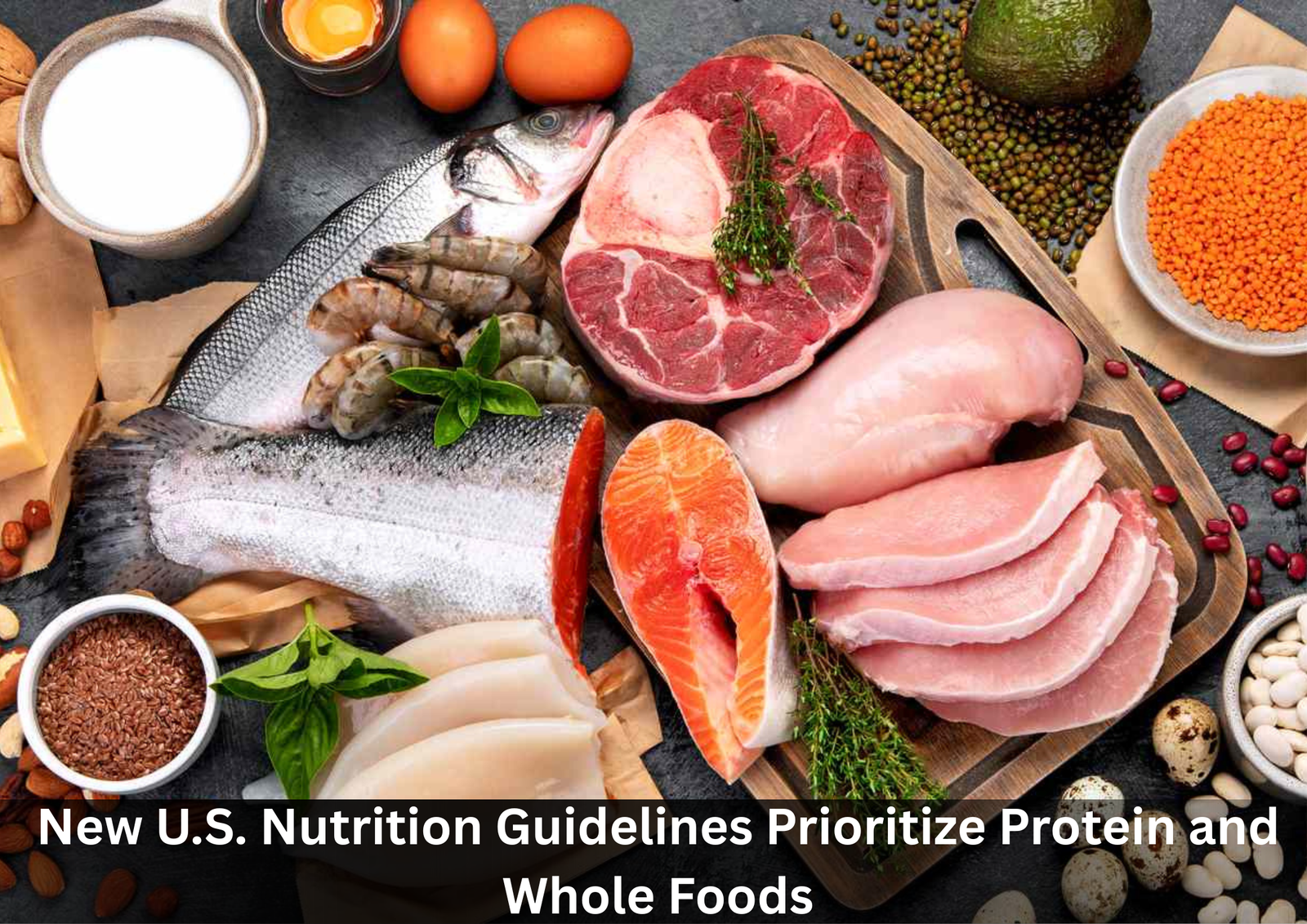
Federal health officials have unveiled a sweeping overhaul of America’s dietary recommendations, shifting national nutrition messaging toward higher daily protein intake, whole dairy products, and minimally processed vegetables. The announcement marks the most substantial update to federal nutrition guidelines in more than twenty years and reflects growing concern about lifestyle-related illness, weight management, and the long-term cost of chronic disease care.
The new model replaces the familiar pyramid arrangement that for decades promoted grain-heavy meals at the foundation of the American diet. Instead, protein in various forms now takes a central position, with federal agencies pointing to modern research linking adequate protein intake to muscle retention, cognitive health, immunity, and weight maintenance. Dairy, long debated in nutritional circles, was reaffirmed as a preferred delivery system for protein, calcium, and micronutrients.
A Philosophy Rooted in “Fuel Quality”
At the core of the new rollout is a messaging strategy built around the idea of the body as a high-performance system. Health advisors argued that just as a high-end engine requires premium fuel to run efficiently, the human body performs better on nutrient-dense foods. During the press briefing, officials noted that Americans often underestimate the long-term expense of poor dietary decisions, comparing inexpensive processed foods to cheap gasoline that ultimately leads to costly mechanical repairs.
Protein Flexibility and Lifestyle Considerations
The updated standards also accommodate diverse eating patterns at a time when vegetarian and vegan diets have gained cultural traction. Officials clarified that the federal recommendation does not dictate specific protein sources, allowing for meat, dairy, eggs, legumes, soy products, and plant-derived alternatives. Estimates presented during the briefing suggest that more than 15 million Americans regularly avoid meat, with many citing ethical, environmental, or health reasons for doing so.
Research on so-called “blue zone” populations-geographic regions notable for exceptional longevity-was referenced as evidence that plant-forward diets can support healthy aging. Advisers also used humor to drive the point home, noting that elephants, often admired for their size and strength, consume exclusively plant-based diets.
Weight Loss Drugs Spark Federal Caution
The new nutritional policy arrives as the country experiences a surge in interest surrounding GLP-1 medications, a class of drugs originally developed for diabetes that have become popular for appetite suppression and weight loss. Federal health officials were careful not to discourage medical treatment but warned that pharmaceutical shortcuts may not substitute for sustained dietary change. They highlighted concerns about medication cost, long-term dependency, and uneven access across income groups.
Despite the trend, federal messaging reaffirmed the enduring principle that caloric expenditure remains central to weight control. Officials stressed that individuals who consistently burn more energy than they consume will lose weight, regardless of dietary style or medication use-a simple concept often overshadowed by emerging diet fads and commercial products.
Public Health and Policy Implications
Nutrition advocates believe the new guidance could have broad ripple effects on food labeling, school lunches, hospital meal standards, and federal assistance programs. Industry groups were more cautious, noting that production and pricing models may need time to adjust to heightened demand for dairy and higher-quality protein sources.
Early reaction from healthcare professionals has been largely positive, with many praising the shift away from processed convenience foods that dominated American diets throughout the past decade. Analysts say the ultimate impact of the new guidelines will depend on how effectively they are communicated and whether consumers can realistically incorporate the changes into their daily routines amid rising food costs and economic pressure.
California Marks First Completely Drought-Free Status in 25 Years – read the full detailed coverage in my other blog for insights, updates, and expert explanations.