New York City’s new mayor has wasted little time placing housing affordability and tenant protection at the center of his administration. Within his first week in office, Mayor Zohran Mamdani announced a key leadership appointment at the city’s housing agency and unveiled a citywide initiative aimed at exposing unfair rental practices.
The early actions highlight an administration seeking to directly confront long-standing complaints from tenants about unsafe living conditions, rising costs, and limited accountability for landlords.
New Leadership at Housing Agency
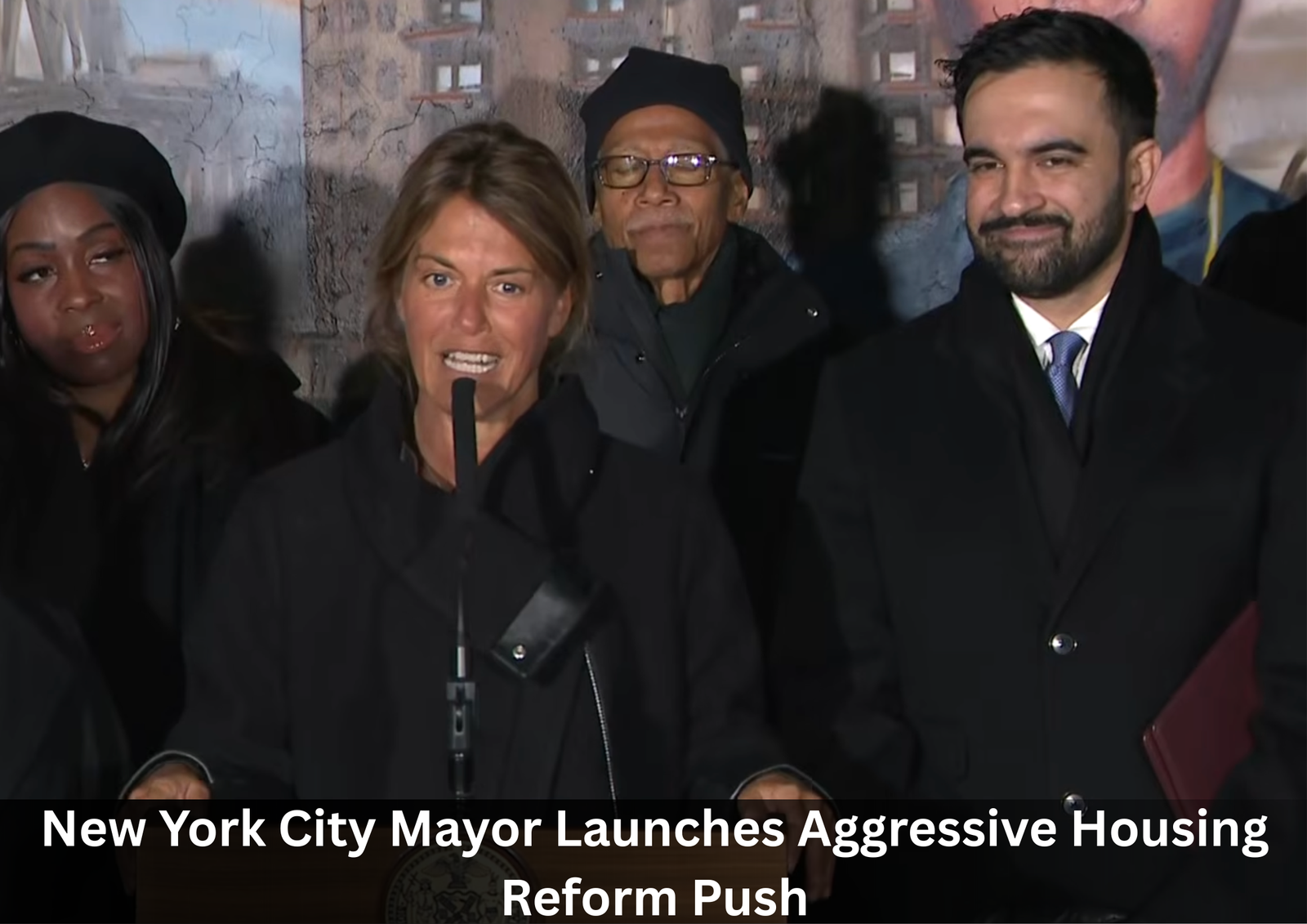
At a public event in the Bronx, Mayor Mamdani named longtime housing advocate Dina Levy as the new commissioner of the Department of Housing Preservation and Development (HPD). Levy brings more than a decade of experience working on tenant rights, housing regulation, and neighborhood-level organizing.
City officials say her appointment reflects a shift toward stronger enforcement and closer engagement with residents affected by housing instability. Speaking at the announcement, the mayor emphasized that housing policy should be shaped by those most impacted by it, calling the role “critical to restoring fairness and dignity to the city’s rental market.”
Levy, who has previously worked with state housing agencies and tenant protection efforts, pledged to prioritize building safety, affordability, and faster responses to violations.
Citywide Hearings to Spotlight Tenant Complaints
Alongside the leadership change, the mayor signed an executive order launching a series of public hearings focused on renter experiences across all five boroughs. Branded as “Rental Ripoff” hearings, the sessions are intended to give tenants a formal platform to describe issues such as unsafe buildings, hidden fees, lack of heat, pest infestations, and repeated code violations.
According to City Hall, the hearings will take place within the administration’s first 100 days and will be coordinated by multiple agencies, including HPD, the Department of Buildings, and the Mayor’s Office to Protect Tenants. Consumer protection officials and data analysts will also participate to help identify patterns of abuse.
Administration officials say testimony gathered during the hearings will guide future enforcement actions and policy reforms.
Accountability and Next Steps
After the hearings conclude, participating agencies are expected to compile a public report summarizing the most common problems raised by tenants and outlining proposed solutions. These may include stronger penalties for repeat offenders, faster correction timelines for violations, and expanded tenant education efforts.
City leaders have indicated that the findings will not remain symbolic. Instead, the administration plans to use existing consumer protection and housing laws more aggressively while exploring additional regulatory changes.
Housing at the Center of the Mayor’s Agenda
The housing initiatives follow other early moves by the mayor aimed at rebuilding tenant protection offices and advancing safety-focused infrastructure projects. Observers note that the pace of announcements suggests housing reform will remain a defining theme of the administration’s first year.
For millions of New Yorkers struggling with rising rents and deteriorating living conditions, the coming months will determine whether these early promises translate into measurable improvements.
As “Denmark and Greenland Reject U.S. Rhetoric as Arctic Tensions Intensify” unfolds, the stakes grow clearer-read this in-depth blog to understand the shifting Arctic dynamics and their global impact.