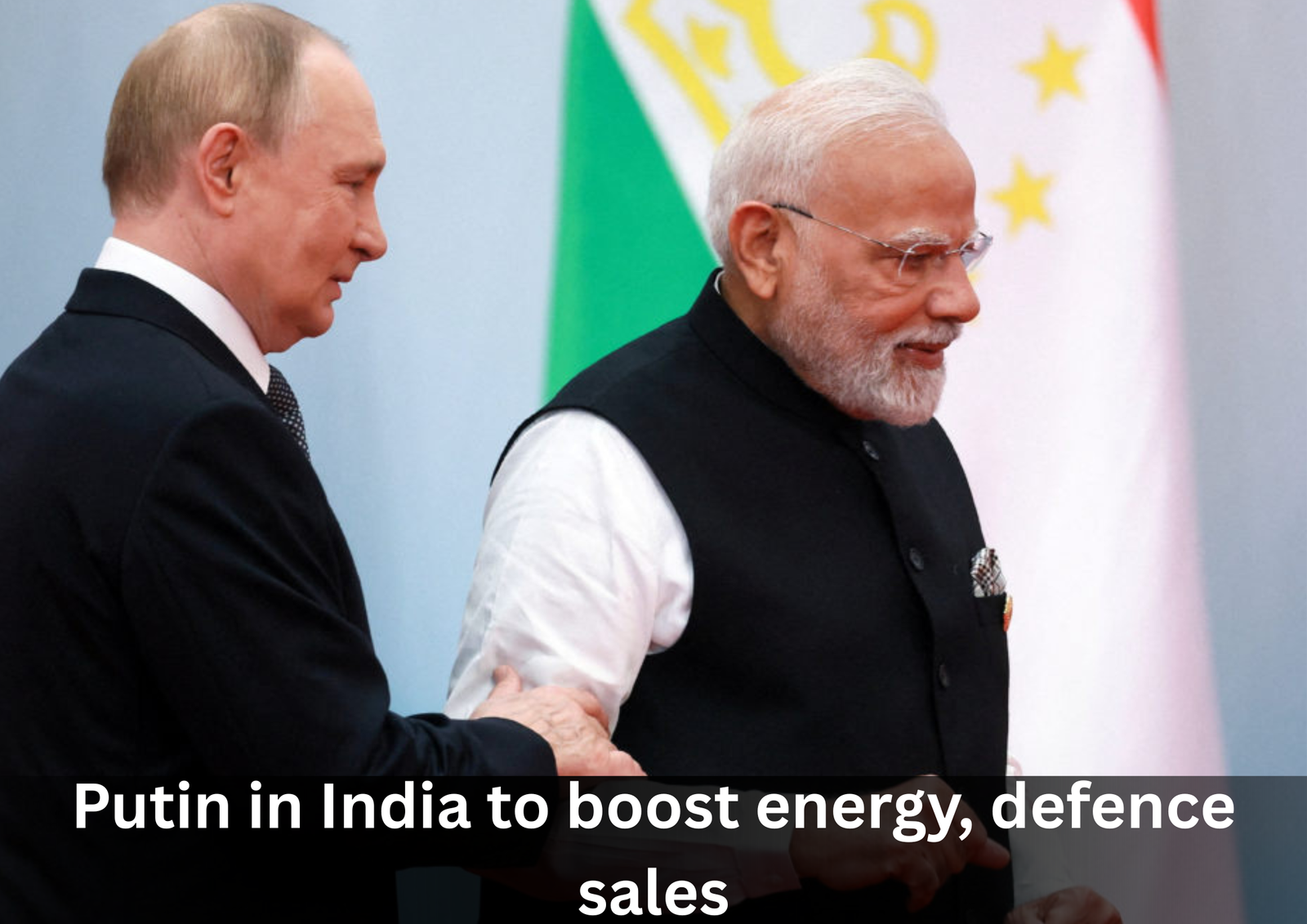
Russian President Vladimir Putin’s high-profile visit to India has reaffirmed the long-standing strategic partnership between Moscow and New Delhi, even as India continues to balance its growing engagement with Western nations. The meeting with Prime Minister Narendra Modi produced a series of agreements aimed at strengthening cooperation in defense, energy, and cross-border financial systems.
At the center of the discussions was India’s effort to modernize and sustain its largely Russian-supplied military inventory. Indian officials pressed for progress on pending equipment deliveries, including units of the S-400 air defense system, while also exploring a long-term contract mechanism that would guarantee the steady supply of critical spares and ammunition. The proposed framework is intended to streamline future procurement and reduce delays that have affected India’s readiness in recent years.
Energy security emerged as another major theme. Both sides evaluated new long-term arrangements for Russian crude oil and coal, building upon India’s expanded purchases of discounted Russian energy since 2022. Officials described the talks as “constructive,” noting that a multi-year agreement could help India stabilize fuel costs at a time of global price volatility.
One of the most notable outcomes of the summit was Russia’s decision to integrate India’s RuPay card network and Unified Payments Interface (UPI). The move aims to simplify transactions for Indian citizens in Russia-particularly students and business travelers-while supporting a broader shift toward settlement in national currencies. Analysts view the financial cooperation as a practical response to international sanctions that have complicated traditional banking channels.
The visit underscores India’s diplomatic tightrope: preserving a reliable defense and energy partnership with Moscow while simultaneously deepening security and economic ties with the United States, Japan, Australia, and Europe. Strategic experts say New Delhi’s ability to maintain equilibrium among competing global powers remains central to its foreign policy.
In the short term, officials expect working groups from both countries to finalize technical details related to the payments initiative, energy supply terms, and defense procurement roadmap. The summit, they say, reflects India’s ongoing effort to secure national interests without allowing geopolitical pressures to dictate its choices.