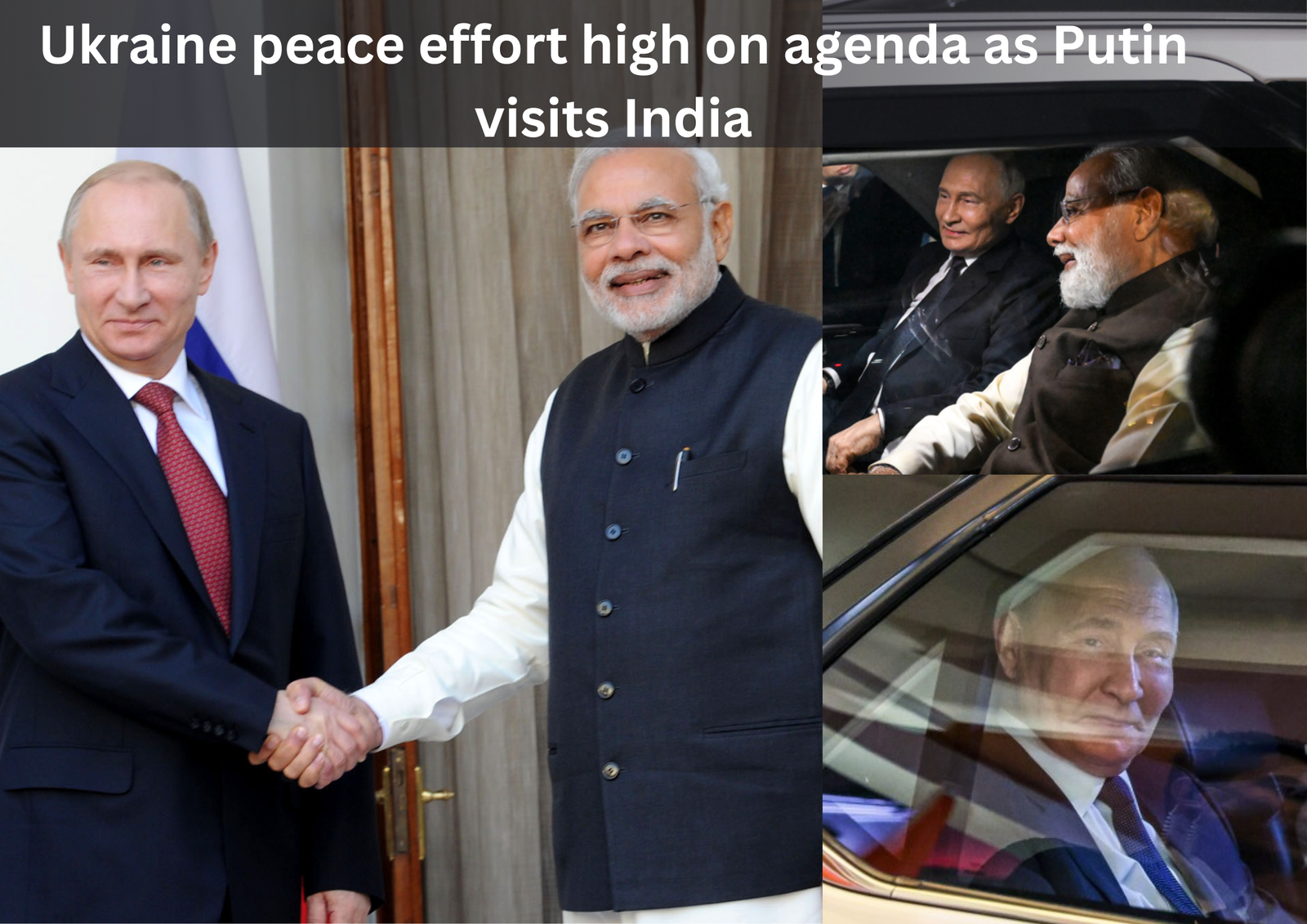
Russian President Vladimir Putin arrived in New Delhi this week for a two-day summit with Indian Prime Minister Narendra Modi, marking one of his most significant international trips since the start of the Ukraine conflict in 2022. The meetings, held at Hyderabad House, are widely viewed as a pivotal moment in the long-standing India–Russia partnership as both nations navigate a fast-changing global landscape.
Strengthening Bilateral Ties at a Crucial Moment
Putin’s visit-his first major bilateral engagement since securing re-election in 2024-comes as New Delhi attempts to balance its historic ties with Moscow while expanding strategic cooperation with Western partners. Indian officials described the summit as an opportunity to “reset priorities for the next decade,” with a strong focus on energy, defense, and geopolitical coordination.
At the top of the agenda is a proposed long-term framework for India’s purchase of Russian oil. As Moscow continues to face extensive Western sanctions, both sides are exploring alternative transaction channels, including payments in rupees, dirhams, and rubles, to ensure uninterrupted trade.
Defense collaboration remains another centerpiece of the discussions. While Russia seeks to retain its status as a primary supplier of military hardware to India, New Delhi is simultaneously diversifying its arsenal to include U.S., French, and Israeli systems. Talks are expected to examine opportunities for joint production, technology transfers, and upgrades to existing Russian-origin platforms widely used by the Indian military.
Civil nuclear cooperation-especially in ongoing reactor projects-is also on the table, along with broader consultations on global governance reforms, including India’s long-standing pitch for expanded representation in the United Nations Security Council.
India’s Expanding Role in Ukraine Peace Diplomacy
The timing of Putin’s visit aligns with renewed international initiatives to find a settlement to the war in Ukraine. India has recently stepped up its diplomatic outreach, positioning itself as a neutral actor capable of engaging both Russia and Western governments.
Analysts say Putin’s trip is part of a broader effort to reinforce ties with influential non-Western nations ahead of any future peace negotiations. For India, maintaining open channels with all major players supports its long-term goal of being seen as a responsible and influential global mediator.
Anticipation Ahead of U.S. Political Changes
Hovering over the summit is the upcoming inauguration of Donald Trump, scheduled for January 2025. Both Moscow and New Delhi are assessing how a potential shift in Washington’s foreign policy may reshape strategic alignments, economic sanctions, and the broader security order.
For India, the evolving U.S.–Russia dynamic could impact its regional partnerships, including its expanding role in the Quad grouping with the United States, Japan, and Australia. This uncertainty adds urgency to New Delhi’s efforts to reinforce its traditional relationships while preparing for new geopolitical realities.
Complexities and Long-Term Challenges
Despite deep historical ties, the India–Russia relationship faces several hurdles. India’s gradual shift toward Western defense suppliers, combined with payment difficulties caused by sanctions, has slowed some existing projects. New Delhi’s growing cooperation with the U.S. in the Indo-Pacific region further complicates the delicate balance it seeks to maintain.
Nevertheless, both governments appear committed to stabilizing and modernizing their partnership. Officials from both sides have signaled optimism about resolving trade bottlenecks and expanding collaboration into areas such as energy infrastructure, cyber cooperation, and advanced manufacturing.
Expected Announcements and Roadmap Ahead
The summit is expected to produce a series of joint declarations outlining shared positions on regional and global issues. Several agreements-spanning energy security, technological cooperation, and defense modernization-are anticipated to be signed before the conclusion of Putin’s visit.
Diplomats say the outcomes will serve as a roadmap for the next phase of India–Russia relations, reinforcing a partnership that remains strategically important for both nations despite shifting global dynamics.