
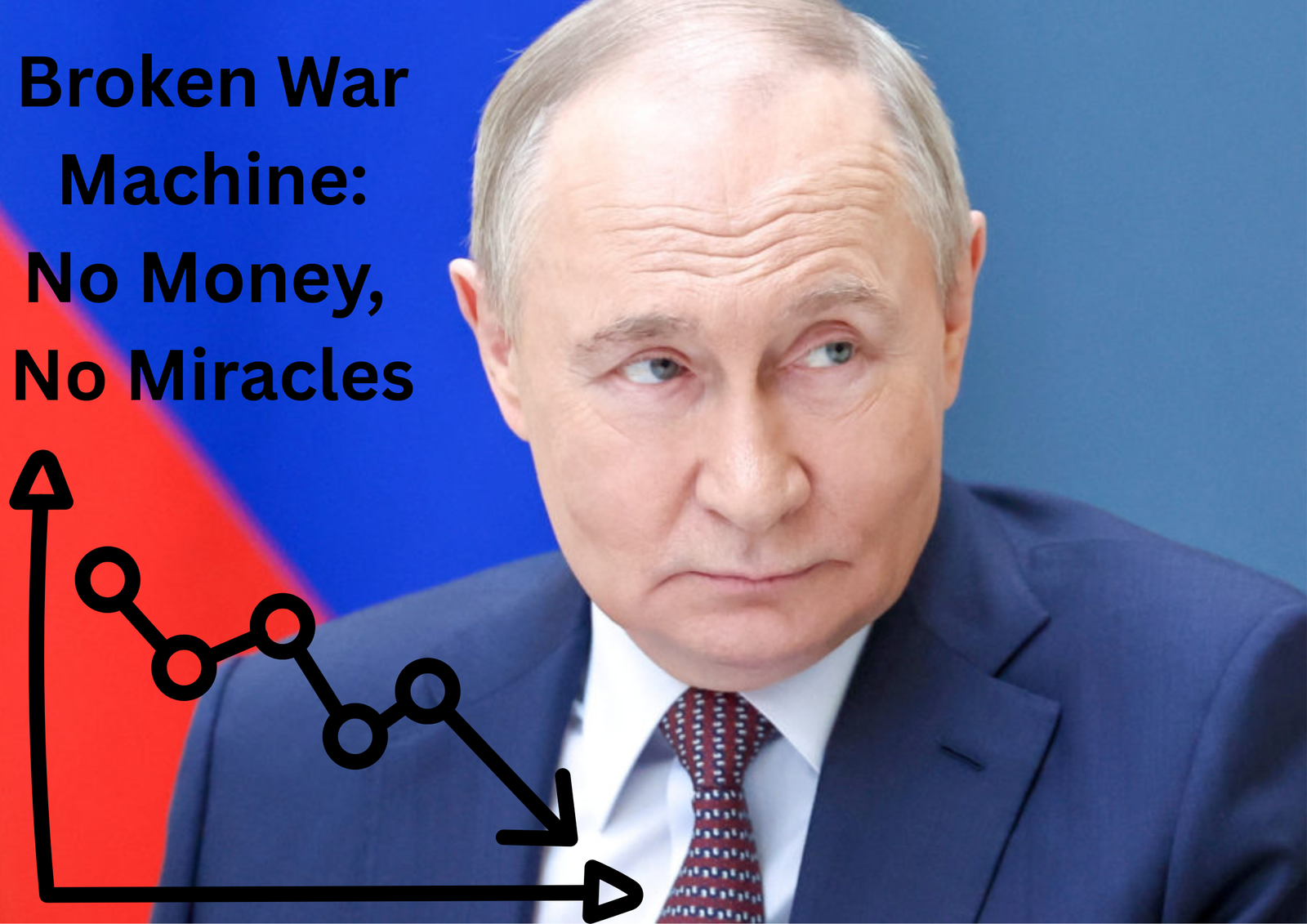
Russia’s economy is entering a period of heightened financial stress in late 2025, as the prolonged conflict in Ukraine and weakening energy revenues place unprecedented pressure on federal finances and the broader corporate sector. While authorities maintain that the economy remains resilient, newly released data reveals widening budget gaps, rising corporate losses, and sustained inflation that together paint a challenging economic picture.
Budget Deficit Widens as Energy Income Slumps
Government spending has surged this year, driven largely by military requirements and emergency procurement programs. Federal expenditures in the first ten months of 2025 surpassed 25.7 trillion rubles, while revenue collections lagged far behind.
The shortfall is deepened by declining energy earnings, historically the backbone of Russia’s budget. Oil and gas revenues have come in well below expectations throughout the year, pushed down by volatile global prices, discounted crude exports, and limits on pipeline volumes. The gap between projected and actual revenue stands at more than 6 trillion rubles, according to analysts reviewing the latest government figures.
Corporate Losses Mount Across Key Sectors
Beyond the state’s fiscal challenges, Russian companies are reporting significant financial deterioration. A review of thousands of major firms across industries shows that combined losses have expanded sharply in 2025. Businesses in transportation, construction, and chemicals have been particularly hard-hit, with many citing rising input costs, disrupted supply lines, and tighter access to foreign components.
Financial analysts note that nearly half of the companies surveyed recorded a net loss this year, highlighting how economic pressure is reaching beyond state-controlled enterprises and affecting the broader private sector.
Government Leans on Borrowing and Monetary Measures
To maintain spending commitments, authorities have increasingly turned to domestic borrowing and the National Welfare Fund. The Ministry of Finance has also stepped up market operations involving the ruble and foreign currency, a tactic economists say effectively helps finance the deficit but contributes to a weaker currency.
Inflation has remained above the Central Bank’s target, limiting policymakers’ flexibility. Economic overheating – driven by a surge in military production that diverts labor and materials away from consumer sectors – has also led to shortages and higher prices in everyday goods.
While Russia has managed to adapt to sanctions through alternative supply chains and stronger partnerships in Asia, these arrangements often come at higher cost and lower efficiency, reducing overall economic productivity.
Economic Pressures Influence Strategic Calculations
Several analysts argue that the mounting financial strain is playing a growing role in shaping Russia’s diplomatic posture. The current trajectory, they say, is difficult to sustain indefinitely, even with the country’s vast natural resources and government reserves.
Despite these pressures, Russia’s economy has not collapsed. Domestic industries have shifted production models, and some sectors have stabilized through import substitution. Still, the long-term sustainability of a war-driven economy remains uncertain, particularly as global energy markets evolve and sanctions continue.
Conclusion
As 2025 draws to a close, Russia faces an increasingly complex economic landscape. The combination of falling energy revenues, rising military spending, corporate sector losses, and inflationary challenges underscores the financial cost of the ongoing conflict in Ukraine. While the government continues to project confidence, the underlying economic indicators suggest mounting strain that could shape both policy decisions and strategic choices in the year ahead.


