The U.S. Senate has taken a major step toward expanding public access to government records related to the Jeffrey Epstein case, unanimously passing legislation that would require the release of documents held across several federal agencies. The measure, known as the Epstein Records Declassification Act of 2025, cleared the chamber by voice vote on November 18, reflecting broad bipartisan agreement on the need for greater transparency.
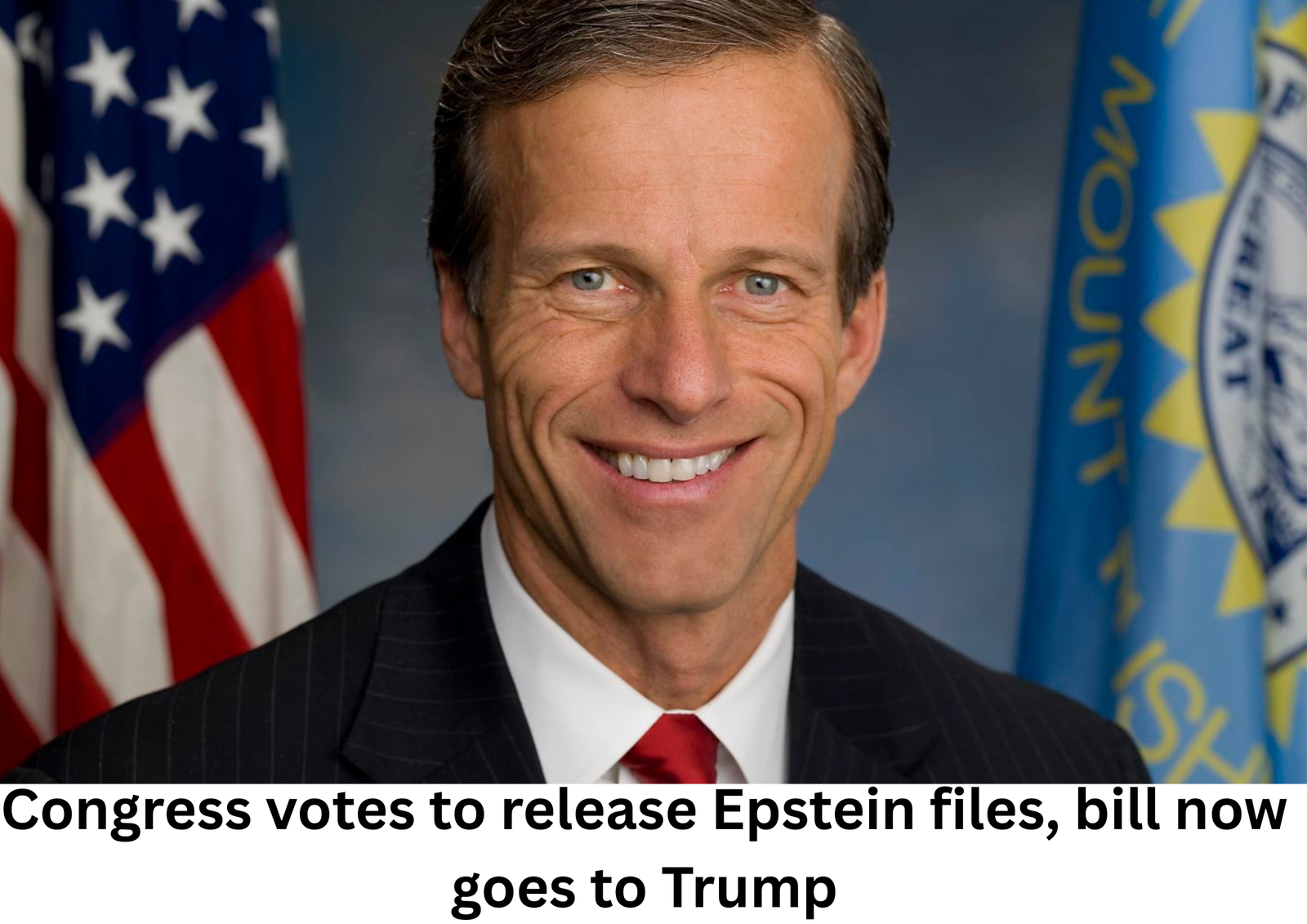
The bill, by Senator John Thune of South Dakota, directs federal departments-including the Department of Justice and the FBI-to disclose investigative files connected to Epstein. Under the proposal, any record may be withheld only if the Attorney General provides a specific and compelling justification. If enacted, the executive branch would have 30 days to prepare and release the documents.
A companion bill is now advancing rapidly in the House of Representatives and is expected to reach the floor as early as November 19.
Lawmakers from Minnesota have also weighed in ahead of the decision. Republican Tom Emmer confirmed he intends to vote yes, arguing that Americans “deserve to know the full truth” about the case. The Democrat signaled similar support, saying she is leaning in favor because “sunlight is the best disinfectant.” Local reports indicate that congressional offices in the state have been inundated with calls and emails from residents urging complete transparency.
The push in Congress follows the recent release of a smaller batch of Epstein-related material, which intensified public interest and renewed demands for full disclosure. The global nature of the scandal-and Epstein’s connections to influential figures-has also drawn international attention. Report heightened curiosity abroad as governments, journalists, and advocacy groups watch the U.S. actions closely.
While political leaders rarely agree on large-scale transparency initiatives, the Epstein case has created a unique point of bipartisan alignment. With the Senate’s unanimous approval and the House expected to act quickly, lawmakers appear poised to bring far more information about Epstein’s activities into the public domain.