The United States government is edging closer to a partial shutdown after Senate Democrats announced plans to block a major federal spending package that includes funding for the Department of Homeland Security (DHS). The decision follows the fatal shooting of a Minneapolis resident by federal immigration agents, an incident that has intensified Democratic criticism of immigration enforcement practices.
Funding for several major federal departments, including DHS, is set to expire at midnight on January 31. Without congressional action, large portions of the government could shut down, disrupting essential services nationwide.
Democrats Draw a Line on DHS Funding
Senate Minority Leader Chuck Schumer said Saturday that Democrats would refuse to advance the multi-bill appropriations package if it continues to include DHS funding without additional oversight measures. He called recent events in Minnesota deeply disturbing and said they demand immediate accountability.
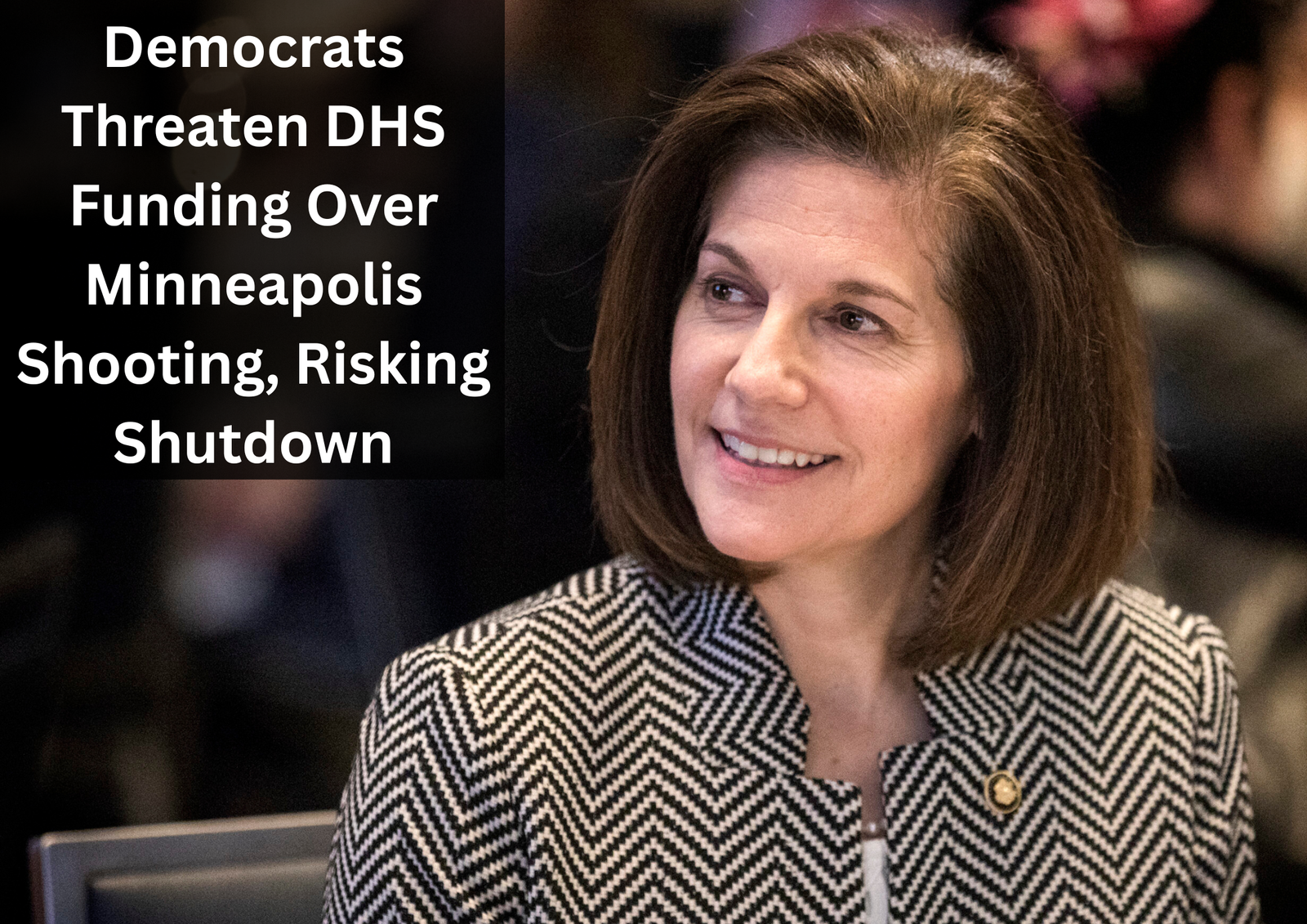
Several Democratic senators echoed Schumer’s stance, including lawmakers who had previously supported stopgap funding to prevent shutdowns. Senators Catherine Cortez Masto and Jacky Rosen of Nevada announced they would oppose the bill, despite backing earlier funding agreements. Senator Brian Schatz of Hawaii said he could not support DHS funding unless stronger controls were imposed on Immigration and Customs Enforcement (ICE), arguing that recent incidents reflect systemic failures.
Other senators joining the opposition include Elizabeth Warren of Massachusetts, Mark Warner of Virginia, and Tim Kaine of Virginia. Warren, in a sharply worded public statement, said she would not support further funding for ICE under current conditions.
Minneapolis Shooting Sparks National Reaction
The political standoff was triggered by a Saturday morning shooting in Minneapolis, where federal Border Patrol agents killed a 37-year-old resident during what authorities described as a confrontation. The incident occurred near the location of another fatal ICE-related shooting earlier this month, heightening public concern.
Additional recent encounters involving federal agents, including the shooting of a migrant during an alleged altercation, have fueled protests and renewed scrutiny of DHS enforcement tactics. Advocacy groups and Democratic leaders argue the pattern points to excessive force and insufficient accountability.
The DHS funding bill under debate totals approximately $64 billion, with around $10 billion allocated to ICE. While the House approved the measure earlier this week, only a small number of Democrats supported it, citing concerns that proposed reforms do not go far enough.
Legislative Gridlock and Shutdown Risk
To advance the six-bill spending package, Senate leaders must secure 60 votes, requiring bipartisan cooperation. With a significant portion of the Democratic caucus now opposed, the bill’s prospects are uncertain.
Some Democrats have suggested separating DHS funding from the broader package, allowing the remaining bills to move forward while DHS funding is debated independently. However, such a maneuver would face steep procedural obstacles, particularly with the House already recessed until after the funding deadline.
Complicating matters further, a major winter storm has forced the Senate to cancel votes scheduled for Monday, delaying legislative negotiations until at least Tuesday and leaving little time to avert a shutdown.
Pressure Builds Across Washington
Behind the scenes, Democratic senators including Chris Murphy of Connecticut and Alex Padilla of California have been actively urging colleagues to oppose the DHS bill. Progressive House members and party activists have also applied pressure, warning that continued funding without reform could alienate voters.
Republicans, meanwhile, argue that blocking DHS funding would harm critical agencies such as the Coast Guard and FEMA, particularly as parts of the country deal with severe winter weather. Some Democrats who supported the House version of the bill expressed concern about the broader consequences of a shutdown.
Uncertain Path Forward
With days remaining before funding expires, congressional leaders face narrowing options. Any changes to the spending package would require renewed House approval, a process unlikely to occur before the deadline.
As negotiations stall, the looming shutdown underscores the deep divide over immigration enforcement and federal oversight. Whether lawmakers can bridge that divide in time remains unclear, but the outcome could have far-reaching implications for government operations and the national political landscape.
For a deeper look at the stalled diplomacy, read “U.S.-Facilitated Ukraine Peace Discussions End in Abu Dhabi With No Deal Reached” to understand what happened and why it matters next.