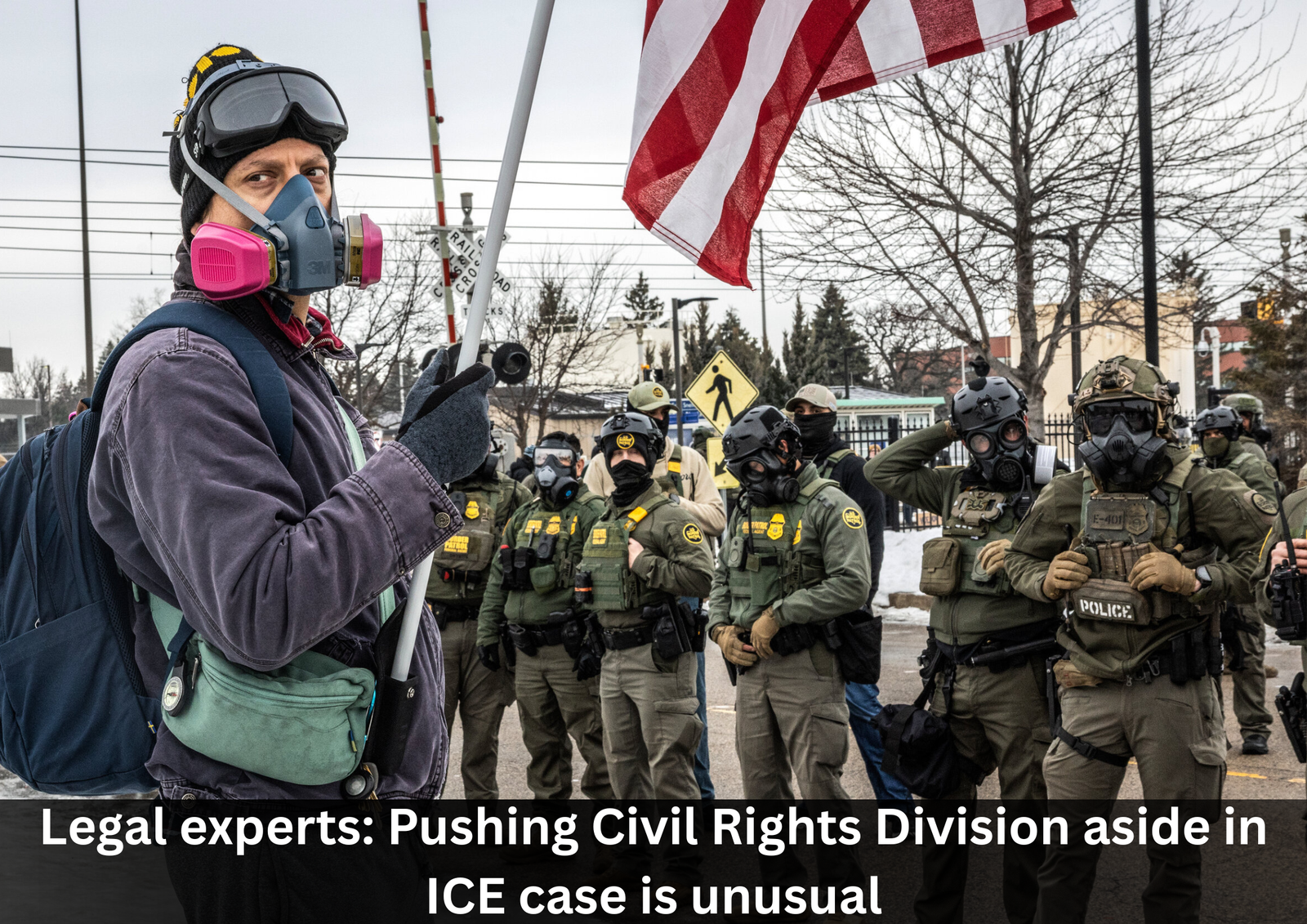
A major shakeup hit the U.S. Attorney’s Office for Minnesota this week after six federal prosecutors resigned in protest of Justice Department directives surrounding the fatal shooting of Minneapolis resident Renee Macklin Good by an ICE agent earlier this month. The coordinated departures have disrupted a number of major federal cases and intensified scrutiny of the department’s handling of the incident.
According to multiple officials familiar with the matter, the prosecutors objected to pressure from senior Justice Department leaders to launch a criminal investigation into the victim’s widow, Becca Good, over purported associations with activist organizations. The prosecutors reportedly argued that such an inquiry lacked factual basis and appeared politically motivated. At the same time, they opposed directives limiting cooperation with state authorities and blocking the Justice Department’s Civil Rights Division from examining the legality of the shooting itself.
Two days after the walkouts, Attorney General Pam Bondi publicly announced that the attorneys had been fired, characterizing them as partisan holdovers. Speaking in a televised interview, Bondi accused the group of “resisting lawful directives” and claimed they were seeking employment at private firms prior to their resignations.
Among the officials who exited was longtime federal prosecutor Joseph H. Thompson, who previously served as acting U.S. attorney for Minnesota and helped oversee sweeping fraud prosecutions tied to misuse of pandemic-era child nutrition programs. Thompson’s departure is viewed by state law enforcement leaders as a major setback to several ongoing white-collar investigations, including cases linked to alleged Medicaid fraud.
The resignations also extend beyond Minnesota. Six career attorneys in the Civil Rights Division’s Criminal Section in Washington submitted notices of departure shortly after the Minneapolis dispute escalated. The resigning attorneys cited concerns about a weakening of criminal civil rights enforcement and what they described as an unusual reluctance to review use-of-force cases involving federal agents.
The fatal shooting that precipitated the controversy occurred on January 7, when 37-year-old Renee Macklin Good was struck by multiple rounds fired by ICE officer Jonathan Ross during a traffic encounter in a Minneapolis neighborhood. Video from the scene shows Good inside her vehicle attempting to pull away when Ross approached and opened fire. Federal officials have defended Ross, asserting that he acted in self-defense.
Legal scholars say the decision to block a civil rights probe breaks with long-standing departmental norms. Cases involving potential civil rights violations resulting in death are typically reviewed in coordination with – and often led by – the Civil Rights Division. Past high-profile prosecutions of law enforcement officers, including in the deaths of George Floyd and Breonna Taylor, followed those protocols.
The Minnesota office now operates with roughly half the prosecutorial staff it maintained before recent budget cuts. The abrupt loss of institutional knowledge, particularly regarding complex financial and criminal enterprises, has prompted warnings about delays and case disruptions. Experts also note that the current political climate could make recruitment difficult for incoming U.S. Attorney Dan Rosen, who faces the task of rebuilding the office while navigating ongoing tensions between career staff and department leadership.
Observers say the clash reflects a broader struggle inside the Justice Department as the Trump administration pushes for more aggressive action against political opponents and activists. None of the resigning prosecutors have spoken publicly about their decisions.
“Federal Court Vacates Order to Release Activist Mahmoud Khalil, Supporting Trump Administration’s Position – read this important blog for full context and details, don’t miss it.”