The Donald Trump administration on Thursday unveiled a major shift in U.S. foreign aid policy, significantly expanding restrictions that could cut funding to organizations connected to abortion services, diversity initiatives, or gender identity advocacy.
According to senior officials familiar with the decision, the U.S. State Department is finalizing new regulations that will extend long-standing funding limitations well beyond their previous scope. The revised rules are expected to apply to more than $30 billion in U.S. foreign assistance and affect both international organizations and U.S.-based nonprofits operating abroad.
Historically, the policy restricted federal funding to foreign organizations involved in providing or promoting abortion services. While Democratic administrations have often rolled back the rule, Republican administrations have reinstated it. President Trump restored the policy shortly after returning to office in January 2025, and the latest action represents its most extensive expansion to date.
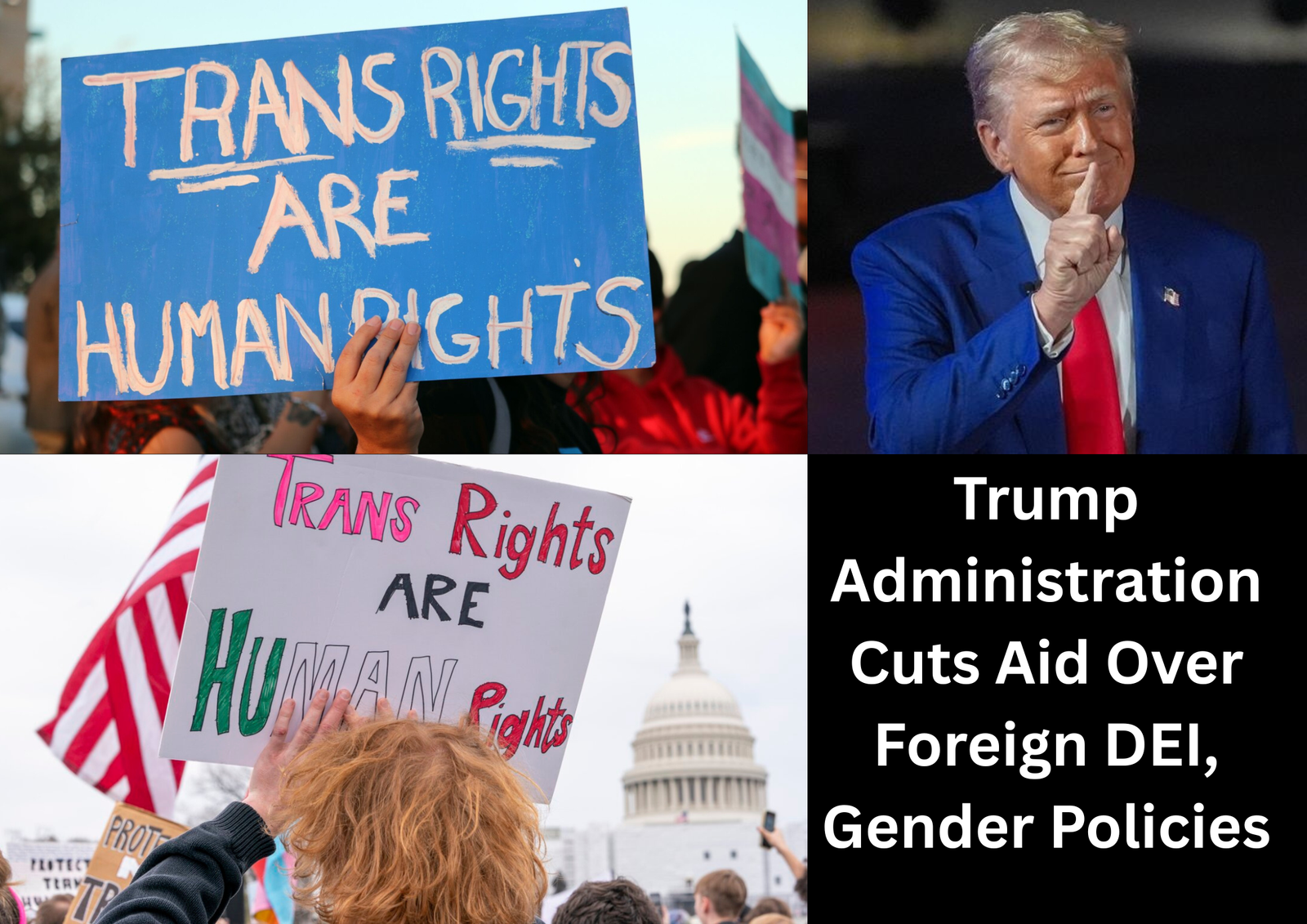
Under the new framework, organizations that support diversity, equity, and inclusion programs or recognize transgender and non-binary identities may also become ineligible for U.S. funding. Administration officials said the changes are intended to ensure that American taxpayer dollars align with what they described as traditional values in foreign assistance programs.
A State Department spokesperson said the move reflects the president’s broader effort to reshape international aid priorities, adding that the administration aims to end what it views as politically driven spending overseas.
The announcement coincided with the annual March for Life rally in Washington, where Vice President JD Vance was scheduled to address attendees. Anti-abortion advocacy organizations welcomed the decision, calling it a decisive step toward reshaping U.S. global health and development policy.
However, human rights groups and global health advocates strongly criticized the expansion. Organizations focused on reproductive health and LGBTQ+ rights warned that the policy could disrupt essential medical services, particularly in low-income countries that rely heavily on U.S. assistance.
Analysts say the full consequences will remain unclear until the final regulations are published, but early assessments suggest the impact could exceed that of previous versions. During Trump’s earlier presidency, similar restrictions were linked to clinic closures and reduced access to family planning services in multiple regions.
The expanded aid restrictions are part of a broader administration agenda targeting DEI initiatives and transgender-related policies across federal agencies. In recent months, the administration has shuttered DEI offices, revised human rights reporting standards, and moved to scale back the role of international health institutions.
On the same day as the announcement, the administration also completed the U.S. withdrawal from the World Health Organization, a decision critics say could further weaken global health coordination.
As advocacy groups prepare potential legal challenges and humanitarian organizations assess funding risks, the policy shift is expected to spark continued debate over the future of U.S. foreign aid and its role in global health and human rights.
Don’t miss the full story behind “Minnesota Disruptions Grow as ‘ICE Out’ Strike Forces Closures Across Twin Cities”-read the blog to understand what’s driving the shutdowns and why it matters now.