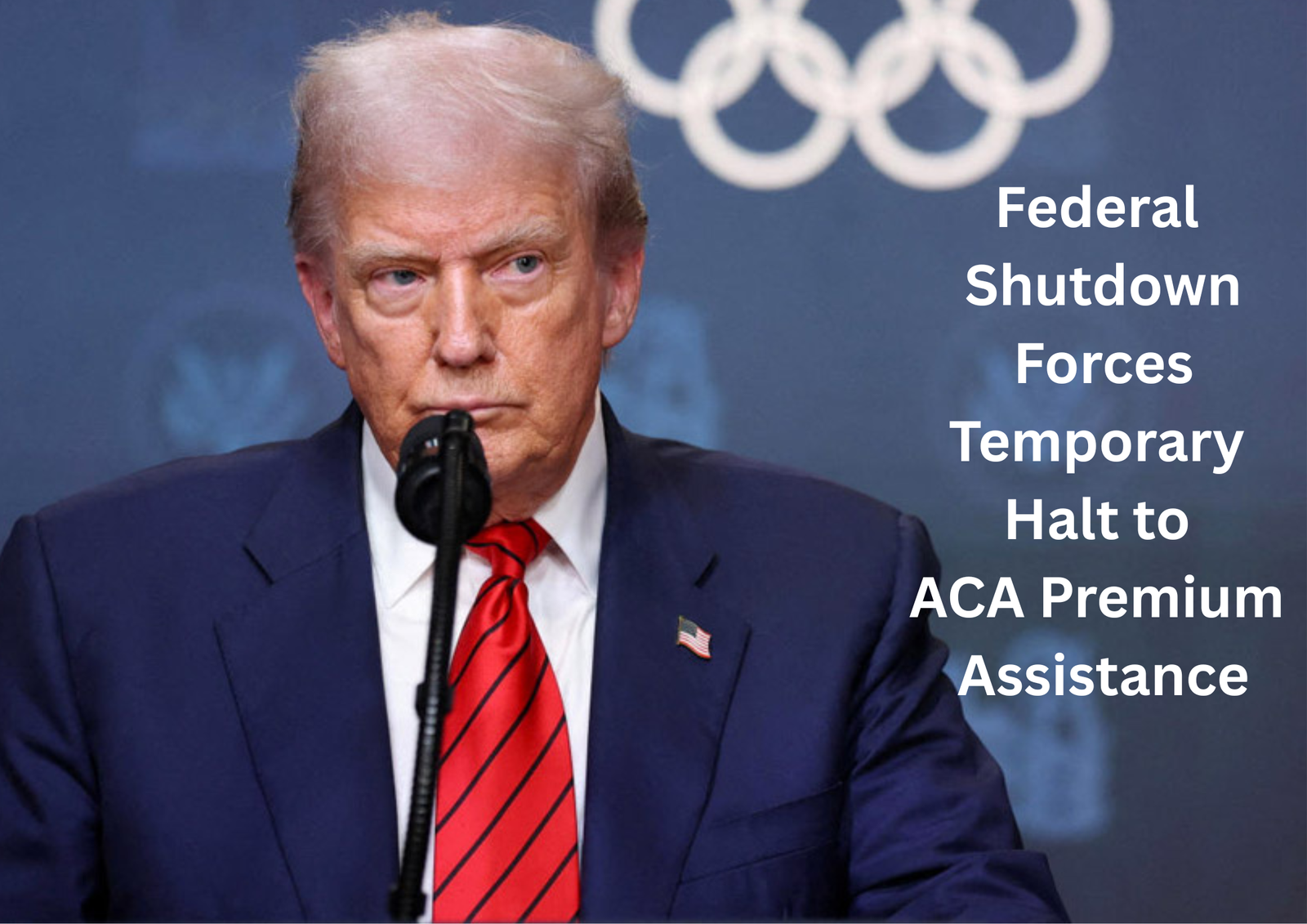
The Trump administration has announced a temporary suspension of Affordable Care Act (ACA) premium tax credit payments, affecting millions of Americans who rely on these subsidies to manage their health insurance costs. The decision, confirmed by the White House on Tuesday, coincides with the third week of the ongoing partial federal government shutdown. The suspension specifically targets advanced premium tax credits, which are paid directly to insurers to reduce monthly premiums for eligible enrollees.
Legal Basis and Immediate Effects
Officials cited the Antideficiency Act, which restricts spending without congressional approval, as the reason for pausing the subsidy payments. “The administration has no option but to halt these payments until federal funding is restored,” said the White House press secretary. Approximately 15 million Americans who use ACA marketplace subsidies could be affected, as insurance providers will not receive November’s federal contributions. Beneficiaries remain enrolled in their health plans, but may face unexpected financial pressure.
Political Backdrop and Republican Response
This move comes amid broader Republican efforts to scale back or eliminate the ACA. President Trump has repeatedly described the subsidies as “unauthorized” and has previously sought to end them via executive actions. Many Congressional Republicans support the suspension, framing it as a necessary consequence of the shutdown rather than a targeted policy change. However, some have expressed concern about potential backlash if Americans receive notices about insurance cancellations.
Government Preparations and Next Steps
The Department of Health and Human Services (HHS) had been preparing for the suspension throughout the past week. Legal opinions justifying the halt were finalized over the weekend, and insurers were officially notified on Monday. The administration has stated that subsidy payments will resume immediately once Congress passes a spending bill to end the shutdown.
Impact on Insurance Markets and Consumers
Insurers now face uncertainty over whether to continue coverage without federal reimbursement. Some may issue cancellation notices or require enrollees to cover full premiums directly. The timing of the suspension is particularly sensitive, coinciding with the final weeks of open enrollment for 2026 health plans. Experts warn this could destabilize insurance markets and cause premium spikes if companies withdraw from marketplaces.
Wider Shutdown Consequences
The suspension is among the most notable domestic effects of the government shutdown, which began when Congress missed the October funding deadline. Ongoing disputes over immigration enforcement and welfare program funding have stalled negotiations. Other shutdown impacts include furloughed federal employees and halted government services, with ACA subsidy disruptions now adding to the list of challenges for Americans.