In a sweeping regulatory shift, the Trump administration has finalized a new federal water rule that significantly reduces protections for wetlands and small streams across the United States. The change marks one of the most substantial reversals of Biden-era environmental policy to date.
Announced by Environmental Protection Agency (EPA) Administrator Lee Zeldin, the regulation-formally titled the Ending Weaponization of Water Permitting Act-rescinds the 2023 Waters of the United States rule and restores the narrower water standards that guided federal oversight prior to 2015.
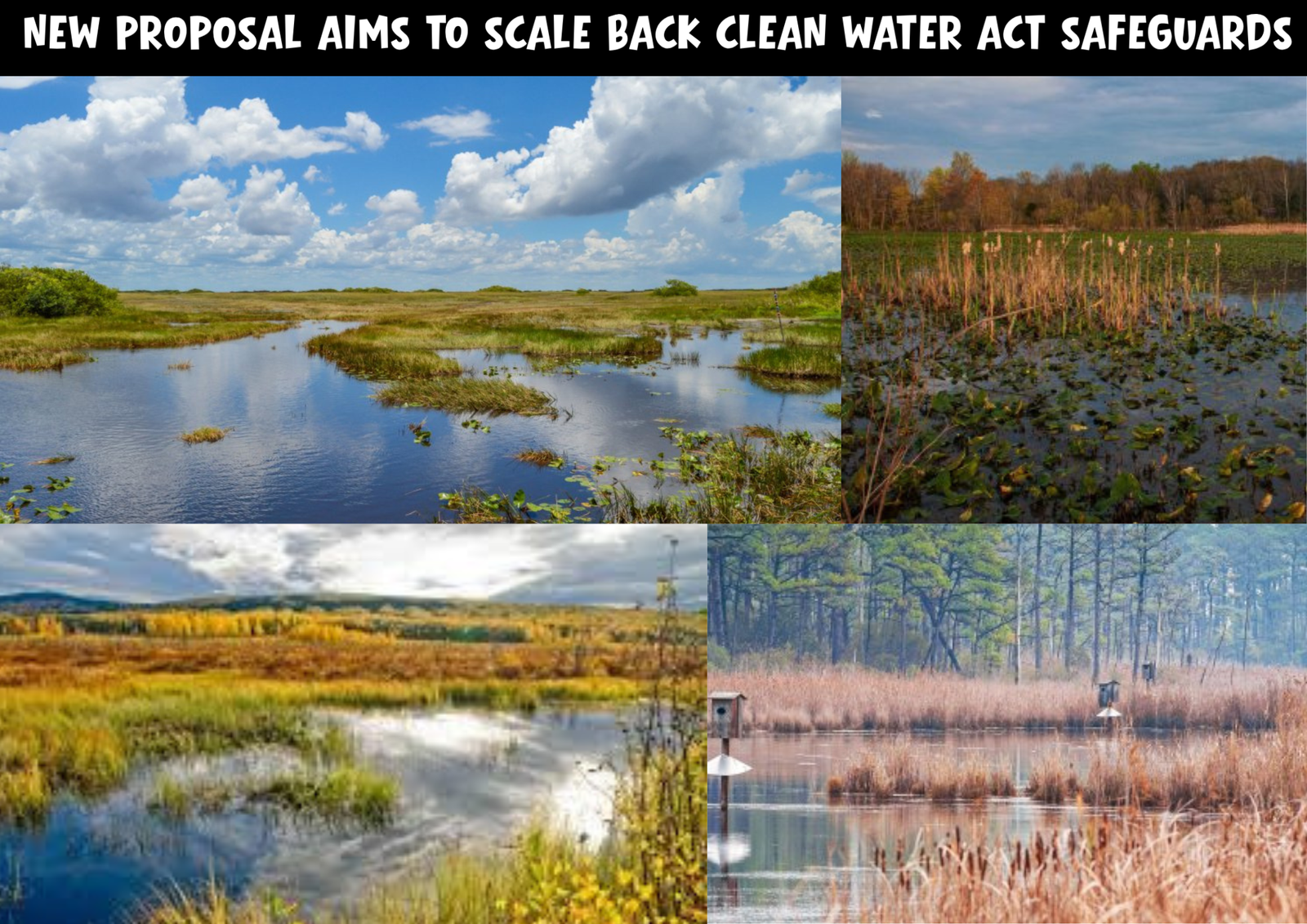
According to agency estimates, the rollback removes federal jurisdiction from roughly 80 percent of wetlands and 60 percent of streams previously covered under the Biden regulation. Ephemeral streams that flow only after rainfall, along with geographically isolated wetlands, will no longer require federal permits for development or commercial use. Oversight of these areas will now fall largely to individual states, many of which have limited or no wetland protections in place.
Administration officials argue the new rule ends what they describe as years of regulatory excess. Zeldin stated that the Biden-era framework, built on the “significant nexus” test from a 2006 Supreme Court opinion, forced landowners and farmers into unnecessary and costly permitting processes. The revised policy replaces that standard with the more limited definition supported by the late Justice Antonin Scalia, restricting federal authority to bodies of water considered “relatively permanent” or those with a direct surface connection to them.
Industry groups, including agricultural organizations and national homebuilder associations, praised the rule as a long-awaited correction. Republican lawmakers similarly welcomed the move, saying it restores clarity to the Clean Water Act and strengthens private property rights.
Environmental groups, however, issued stark warnings about the consequences of the rollback. Critics argue that wetlands play a crucial role in filtering pollution, preventing floods, and supporting ecosystems. Several organizations announced plans to challenge the rule in court, calling it a major setback to decades of federal water protection.
The legal landscape remains fluid, with the Supreme Court’s pending decision in Sackett v. EPA expected to influence the future of federal water oversight. Until then, the updated rule marks a fundamental shift in how the nation defines-and defends-its waterways.