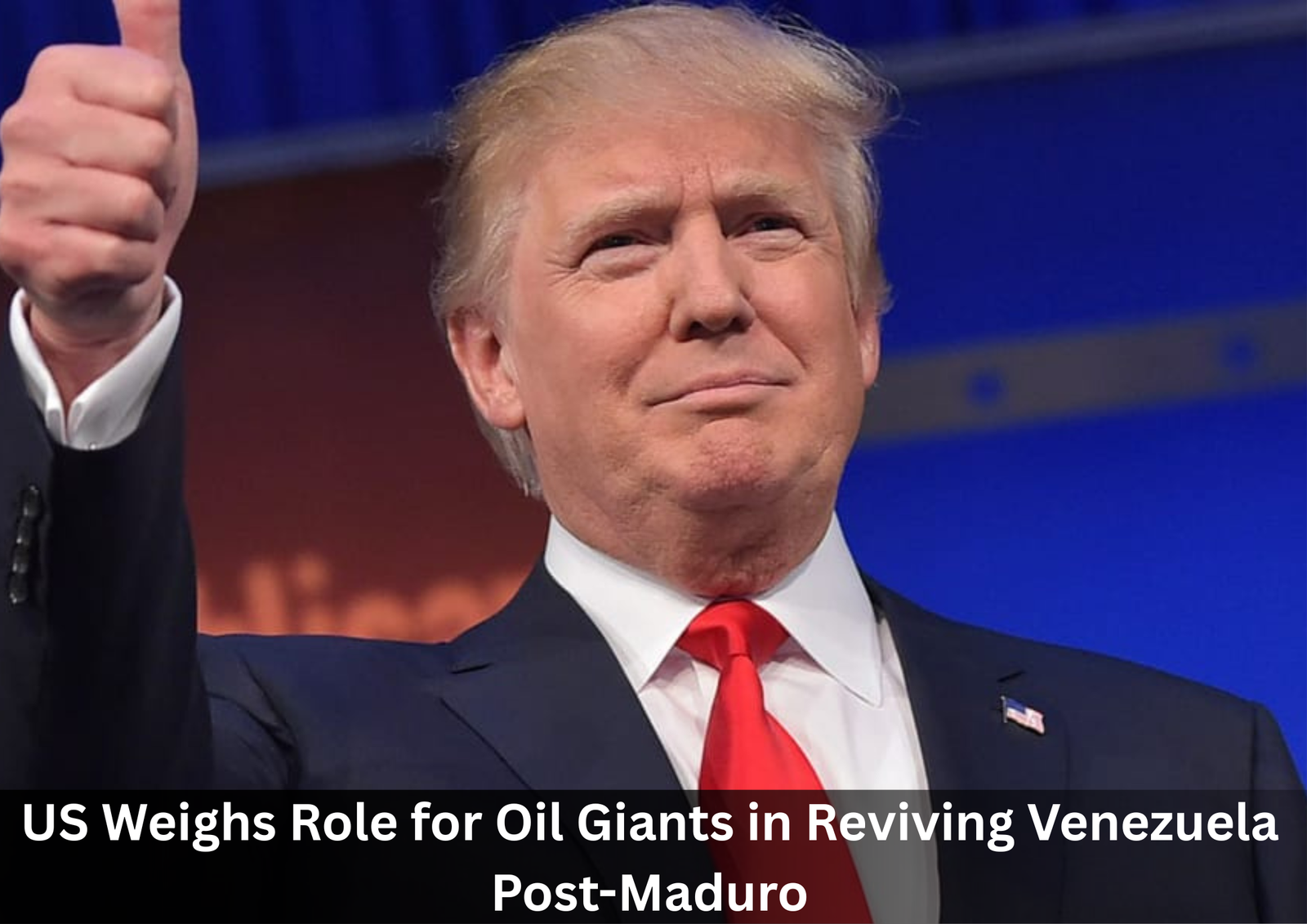
In the aftermath of the U.S.-led operation that resulted in the capture of Venezuelan President Nicolás Maduro, the Trump administration is advancing a controversial proposal that would invite American oil companies to help rebuild Venezuela’s severely degraded oil industry. The plan is being framed by President Donald Trump as both an economic opportunity and a correction of what he describes as decades of lost U.S. interests in the South American nation.
Speaking publicly this week, Trump said Venezuela’s oil infrastructure had been “destroyed through mismanagement and neglect” following years of nationalization and political turmoil. He argued that American energy firms are uniquely positioned to restore production capacity while benefiting U.S. energy security.
A Strategic Vision Centered on Energy Control
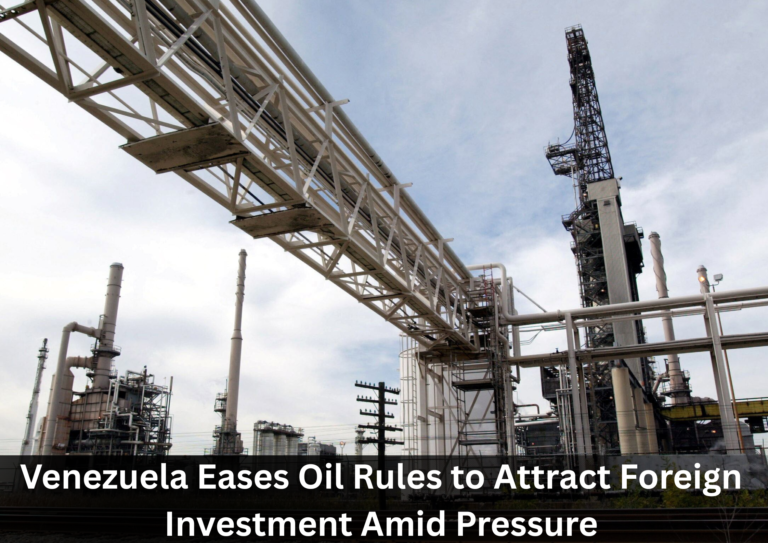
According to Trump, securing Venezuela’s oil sector was a central objective of the recent military intervention. He has repeatedly claimed that earlier Venezuelan governments wrongfully seized U.S.-owned oil assets, leaving once-productive facilities in disrepair. The administration now envisions U.S. companies stepping in to rehabilitate refineries, pipelines, and export terminals that have not seen major upgrades in decades.
Under the proposal, American firms would fund the reconstruction effort upfront, with compensation expected either through future oil revenues or government-backed reimbursement mechanisms. Trump has suggested that meaningful production could resume within 18 months, though no detailed financial framework has yet been released.
High Costs and Structural Obstacles
Industry analysts caution that the scale of deterioration presents enormous challenges. Venezuela’s state oil company, PDVSA, has acknowledged that much of its infrastructure dates back more than half a century. Estimates to restore production anywhere near historic highs range from tens of billions of dollars to significantly more over the long term.
Beyond financial concerns, experts point to operational risks. PDVSA has been under military oversight for years, skilled labor has fled the country, and oil operations would likely require continued U.S. security involvement to remain viable. Legal questions also loom large, as international agreements and recognition of governing authority remain unresolved.
Oil Industry Response Remains Cautious
Despite optimistic rhetoric from the White House, major U.S. oil producers appear hesitant. Companies including Exxon Mobil, Chevron, and ConocoPhillips have long histories in Venezuela, marked by repeated expropriations and unresolved compensation claims. Executives have publicly stated that any renewed involvement would depend on stable governance, enforceable contracts, and favorable economic terms.
Privately, industry sources indicate that uncertainty surrounding Venezuela’s political future remains a major deterrent. Past experiences under previous administrations continue to influence corporate risk assessments.
Why Venezuela Still Matters
Venezuela holds the world’s largest proven oil reserves, with crude that is geographically close to U.S. refineries and well-suited for industrial fuel production. For much of the 20th century, the country was a cornerstone of global energy supply, reaching peak production before years of political upheaval and economic collapse sharply reduced output.
The nation’s oil history dates back to the early 1920s, when massive discoveries transformed Venezuela into a global energy power. That legacy has since faded, with current production levels representing only a fraction of former capacity.
Political and Economic Tensions Ahead
Adding complexity, the Trump administration is reportedly coordinating with Maduro officials to stabilize operations, even as opposition groups promote alternative privatization strategies. Critics argue this approach could undermine long-term legitimacy, while supporters say immediate continuity is necessary to prevent further economic collapse.
Trump maintains that restoring Venezuelan oil production could help lower global energy prices, benefiting American consumers. However, analysts note that reduced prices could also dampen returns for companies expected to invest heavily in rebuilding efforts.
As discussions continue, the proposal underscores the delicate balance between geopolitics, energy security, and corporate risk – with Venezuela’s future oil industry hanging in the balance.
For deeper insight into “Minnesota Governor Tim Walz Withdraws From 2026 Race Amid Federal Finance Investigation,” don’t miss this detailed blog-read the full analysis here.