
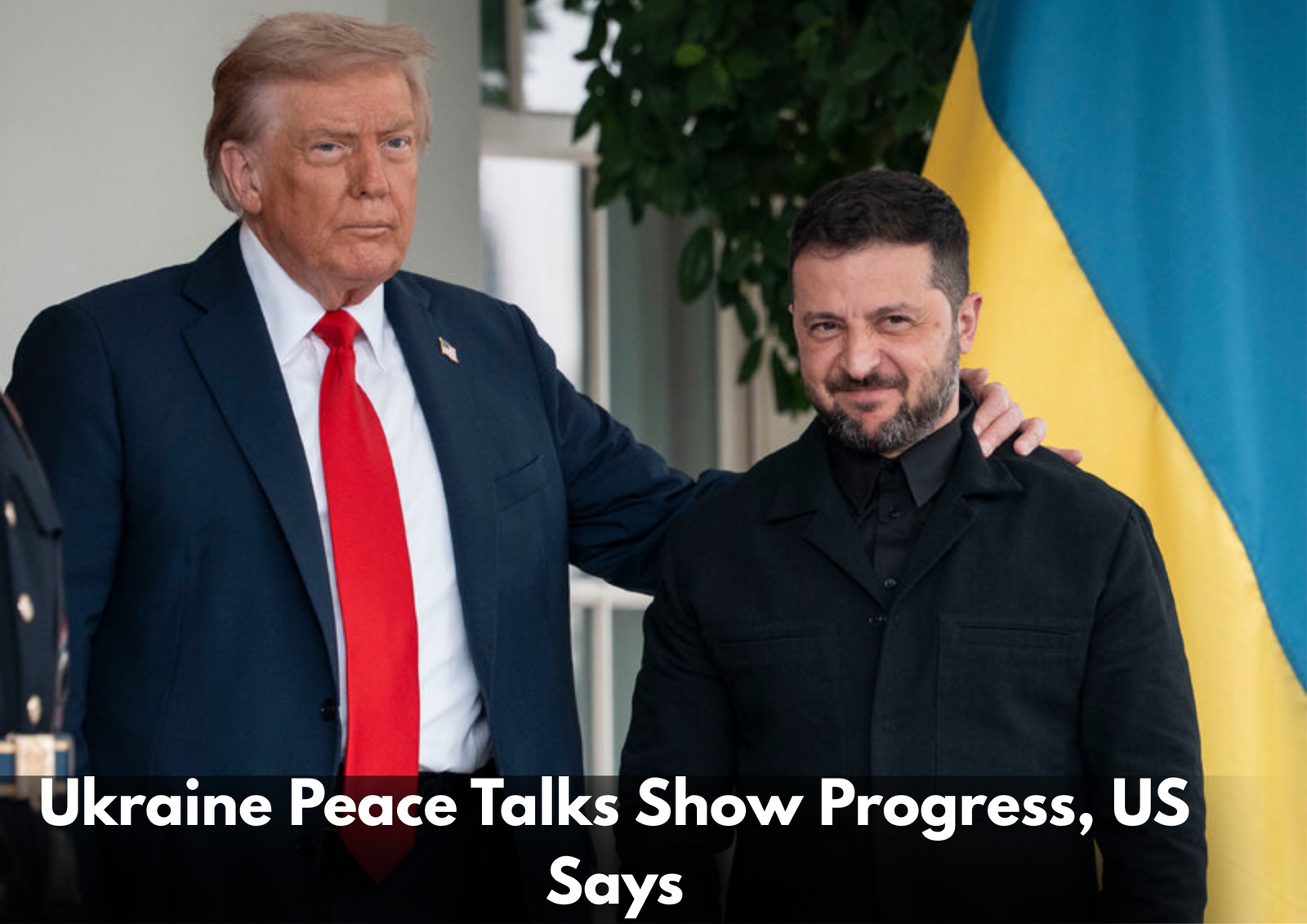
A new peace framework introduced by the Trump administration aimed at ending the war in Ukraine has triggered sharp debate across world capitals, with critics warning that the proposal mirrors long-standing demands made by Moscow.
According to officials familiar with the document, the plan was recently delivered to Ukrainian President Volodymyr Zelensky as well as senior European leaders. It outlines an immediate ceasefire followed by a gradual diplomatic process intended to shape Ukraine’s future security landscape. While the administration has described the plan as a “pragmatic path to ending hostilities,” the reaction has been far from uniform.
One of the most divisive points in the proposal is the suspension of U.S. military aid to Ukraine once the ceasefire begins. This condition represents a dramatic policy shift from Washington’s previous commitment to financially and militarily support Kyiv in resisting Russian aggression. Critics argue that halting assistance at this stage would leave Ukraine at a severe disadvantage during any subsequent negotiations.
The roadmap also calls for diplomatic talks on the status of territories currently occupied by Russian forces, including Donetsk, Luhansk, Kherson, and Zaporizhzhia. The proposal states that discussions should reflect the “realities on the ground,” a phrase that Ukrainian officials fear will legitimize Russia’s territorial claims. The matter of Crimea-annexed by Russia in 2014-is deferred entirely, leaving its status unresolved for the foreseeable future.
Reactions from Kyiv have been unequivocal. Ukrainian officials dismissed the plan as a “Russian wish list,” asserting that it undermines Ukraine’s sovereignty and could embolden further aggression. European leaders expressed similar apprehensions. German Chancellor and other EU officials warned that the proposal could set a dangerous precedent by rewarding territorial conquest.
Inside the United States, the initiative has drawn mixed responses. Some political allies of President Trump have praised the framework as a bold diplomatic strategy, arguing that the conflict has reached a stalemate. Conversely, many foreign policy experts contend that the plan risks weakening American credibility and abandoning a partner nation at a critical moment.
Defending the proposal, administration officials say the aim is to reduce casualties and open the door to long-term stability. They argue that pursuing a purely military solution has become increasingly unrealistic and that the new framework offers an opportunity to shift the conflict toward diplomacy.
As reactions continue to unfold, the future of the plan remains uncertain. Ukraine and its allies have signaled that any proposal undermining territorial integrity will be difficult to accept, while Washington insists it is pushing for a path that can end one of Europe’s most devastating conflicts in decades.


