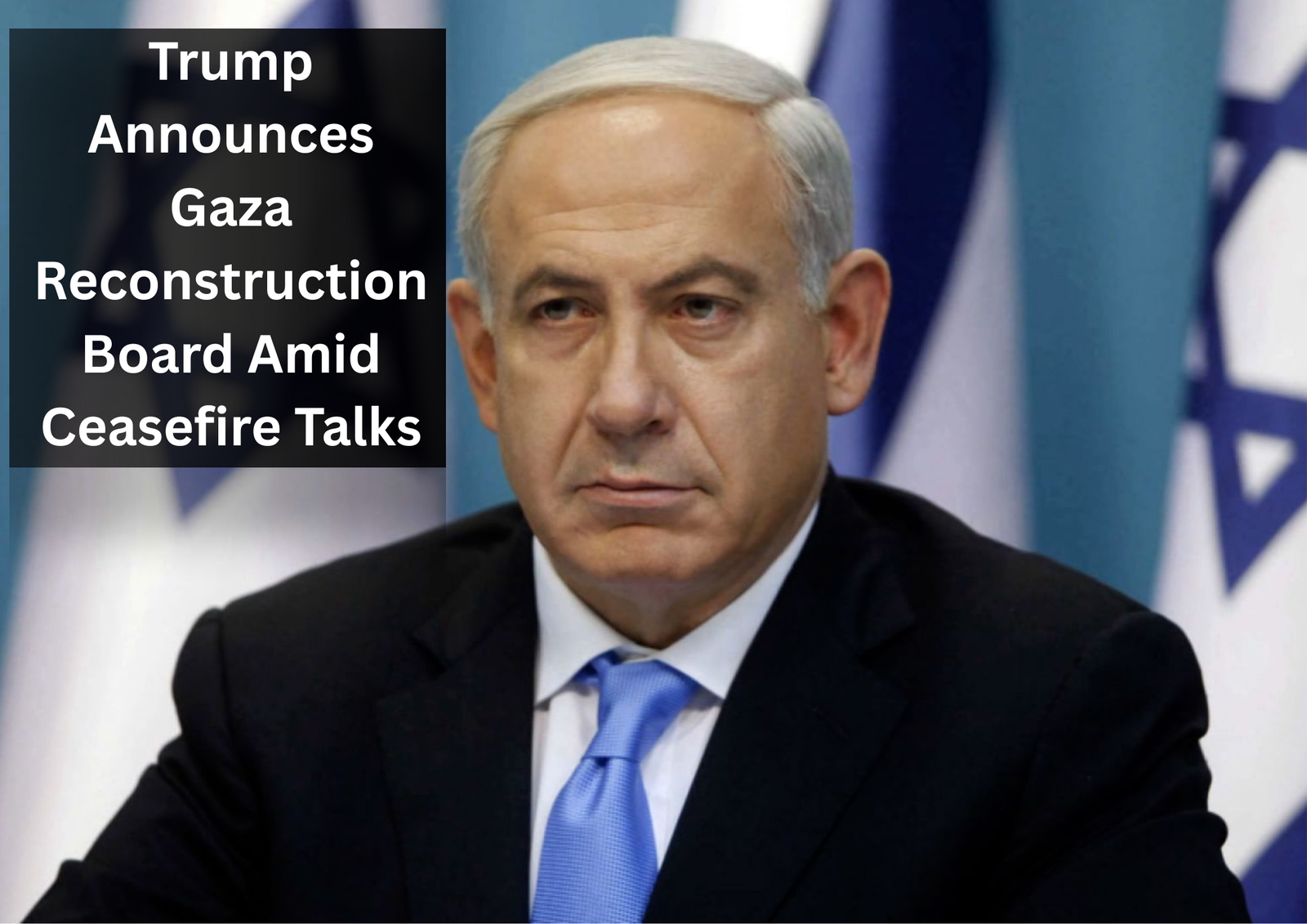
U.S. President Donald Trump on Tuesday introduced a new initiative aimed at reshaping post-war Gaza, announcing plans for a specialized body to coordinate reconstruction and humanitarian relief as international negotiations toward a ceasefire continue to advance.
Speaking publicly from Washington, Trump described the entity-referred to as a “Board of Peace”-as a future administrative hub for rebuilding the territory once active combat subsides. He said the board’s funding would rely on financial reallocations from other U.S. foreign assistance programs, mentioning Ukraine by name, and emphasized that multiple foreign governments would be encouraged to contribute. Trump did not clarify who would sit on the board nor how it would interface with current U.S. policy structures.
In parallel, diplomatic channels in the region have entered what mediators describe as a more delicate stage. Negotiators familiar with the talks say the emerging framework envisions two sequential components: the disarmament of Hamas and other armed groups, followed by the withdrawal of Israeli forces from the Gaza Strip. These discussions, separate from Trump’s initiative, are connected to continuing efforts to achieve a comprehensive ceasefire and secure the release of Israeli hostages taken during the conflict.
One figure reportedly under consideration by Trump’s circle for a future role in Gaza’s postwar administration, Palestinian businessman Ali Shaath, has promoted an ambitious redevelopment concept focused on clearing wartime debris and constructing a modernized coastal city with major logistics infrastructure. Ali Shaath, known for his past involvement in tunnel construction and trade, has argued for the establishment of a strong internal Palestinian security force and criticized the Palestinian Authority’s leadership as ineffective.
Meanwhile, political pressure is intensifying inside Israel, where opposition activists and families of hostages are staging new protests in Jerusalem urging Prime Minister Benjamin Netanyahu to negotiate a hostage exchange and adopt a path toward de-escalation. Netanyahu has pushed back on these demands, reiterating that Israel’s campaign will only end after what he calls “total victory,” defined as dismantling Hamas’ governing and military capacity and recovering all hostages.
That stance complicates the emerging ceasefire dialogue, which reportedly allows Hamas to maintain limited authority during an initial transitional phase-an outcome sharply at odds with the Israeli government’s stated objectives.
The developments underscore the widening gap between domestic political expectations, U.S. foreign policy signaling, and the regional diplomatic track. Whether Trump’s proposed board becomes part of the formal postwar governance structure remains uncertain, as current U.S. officials have not publicly endorsed the plan and the ceasefire negotiations continue without clear timelines.
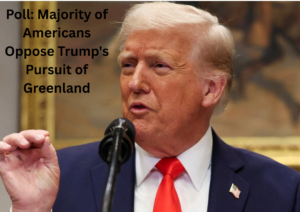
Americans Broadly Reject U.S. Bid for Control of Greenland as Diplomatic Rift Deepens, so make sure to check out my new blog for the complete political breakdown.