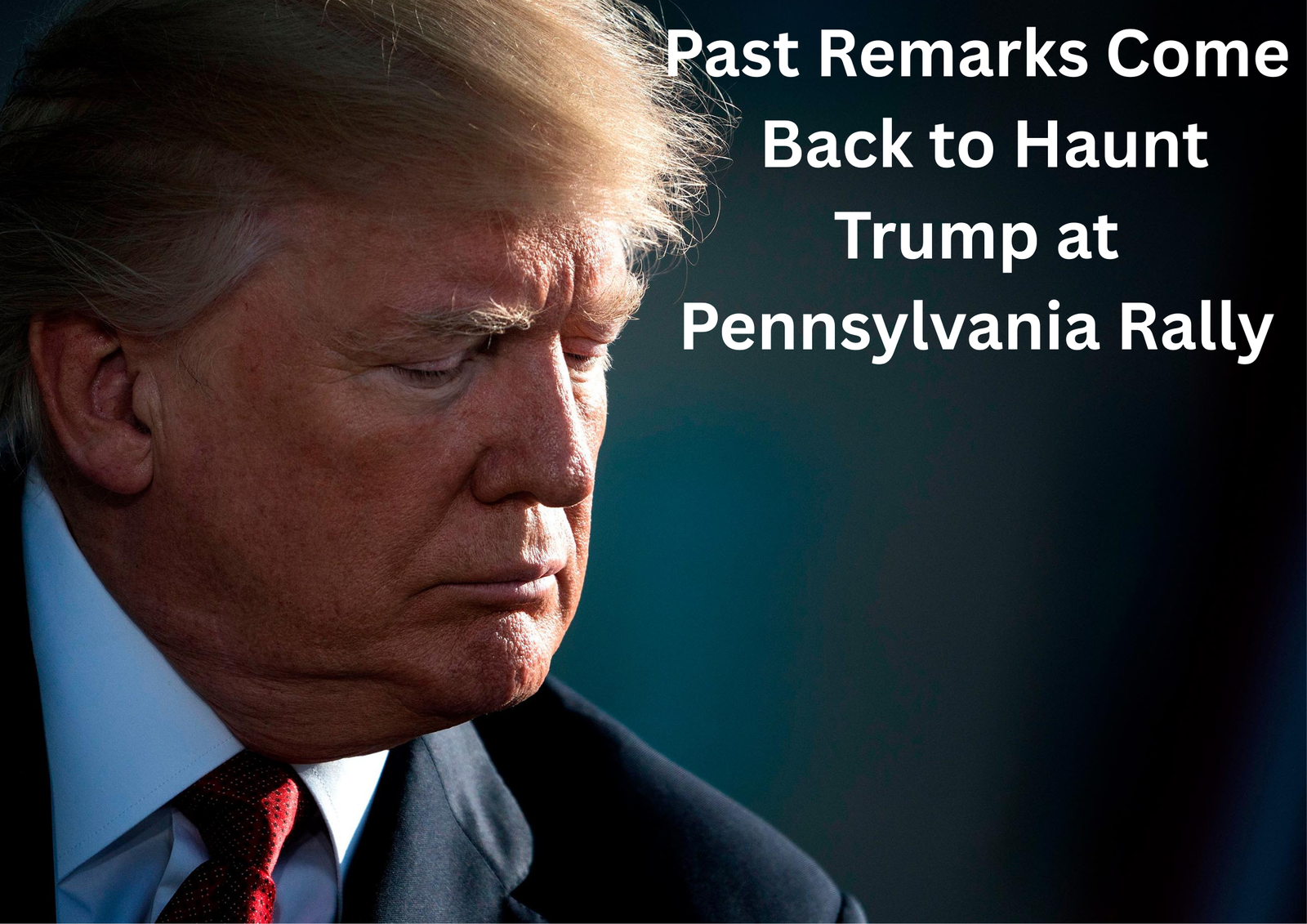
A campaign-style speech in Pennsylvania meant to highlight President Donald Trump’s plans to ease living costs instead ignited a fresh political storm after he revisited a controversial comment from his first term regarding immigrants from several developing nations. The detour from economic themes quickly became the dominant focus of reaction from both parties.
A Speech on Affordability Shifts in Tone
The president arrived in Pennsylvania with the stated goal of reassuring voters concerned about rising prices for groceries, rent, and healthcare. But the address, which stretched beyond 90 minutes, soon strayed from inflation and spending policy. Analysts noted that the event resembled a rally more than a policy speech, with the immigration discussion eclipsing the administration’s intended affordability message.
Revisiting a Controversial Statement
During the event, Trump referenced a disputed description he allegedly used in 2018 during a private White House meeting about immigration. While recounting that moment, he contrasted certain developing nations with European countries he described as “better partners.” He also singled out nations such as Somalia and Afghanistan as regions struggling with instability and crime. His remarks drew swift scrutiny from political opponents and civil rights advocates who viewed the language as dismissive and inflammatory.
Republican Response and Defense
Some conservative commentators defended the president, arguing that he was underscoring long-standing concerns about border security and legal entry pathways. Former Senate candidate Tiffany Smiley praised his emphasis on tightening the border, claiming the administration had previously delivered “the most secure border in modern history.” She also asserted that the president inherited economic challenges from the prior Democratic administration and argued that policies promoting domestic energy and regulatory changes would eventually bring down costs for American families.
Critics Condemn the Remarks
Democratic leaders and policy analysts reacted sharply, accusing Trump of turning to cultural division instead of outlining workable affordability solutions. Commentator Ameshia Cross argued that the president’s trade policies and tariff expansions had contributed to rising consumer costs, contradicting his claims that prices were improving. She also criticized his characterization of several nations, contending that such language targeted communities with large populations of Black immigrants. Cross highlighted that many refugees and immigrants from countries mentioned by Trump are long-time U.S. residents, workers, and business owners with strong civic records.
Affordability Remains the Central Political Battleground
While the speech sparked renewed controversy, it also underscored the political urgency of the affordability debate heading into the election year. Trump has repeatedly said inflation is easing, even as many households report little relief in monthly expenses. Republicans argue that deregulation and increased domestic production will ease the burden, while Democrats counter that wages, housing costs, and healthcare expenses still outpace much of the population’s earning power.
Despite their opposing interpretations, both parties agree that affordability remains the top issue for voters. Smiley predicted that economic indicators would improve within a year, while Cross suggested that prolonged financial strain could reshape voter turnout and benefit Democrats.