President Donald Trump’s renewed push to deliver $2,000 “tariff dividend” checks to American households has sparked fresh debate in Washington, as senior members of his economic team confirm the payments cannot be issued without explicit authorization from Congress.
The proposal, a key pillar of Trump’s economic messaging, hinges on using revenue generated from new tariffs on foreign imports and redirecting it to U.S. families as a form of tax relief. Trump has argued that, if enacted swiftly, the first payments could go out before the end of 2025. He has framed the initiative as a direct financial benefit funded entirely by tariff income rather than deficit spending.
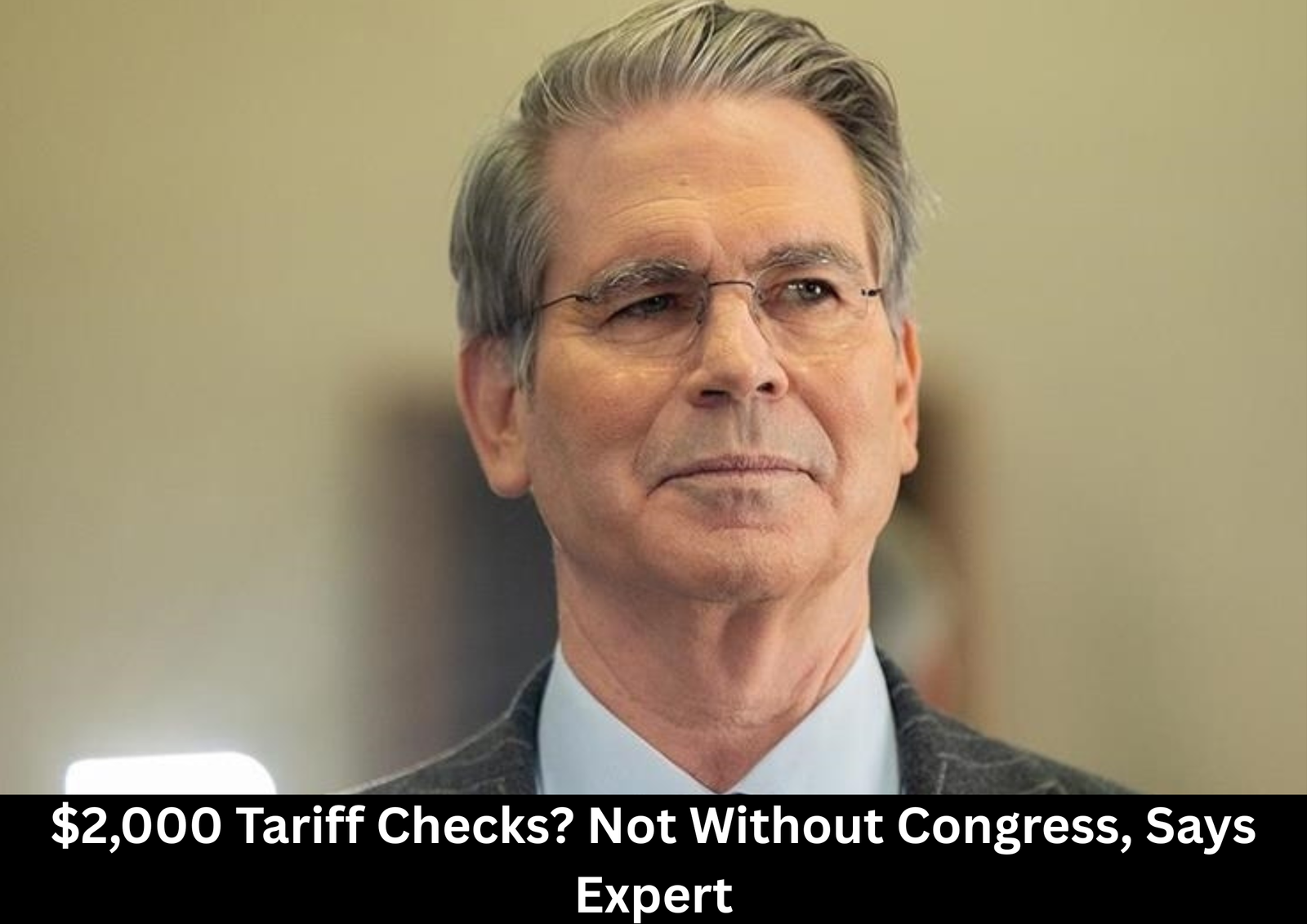
However, Treasury Secretary Scott Bessent offered a dose of constitutional reality, emphasizing that while a president may impose tariffs under existing trade authorities, spending federal revenue requires a separate and explicit act of Congress. “The executive cannot write checks from the Treasury without an appropriation,” he noted, underscoring that any rebate program must first pass both chambers of the legislature.
Bessent also pointed to historical precedent, noting the Supreme Court declined to block the Trump administration’s steel and aluminum tariffs in 2018-an indication, he argued, that the executive branch holds broad authority on tariff matters. But he drew a sharp line between tariff power and spending power, calling them “distinct constitutional functions that must not be blurred.”
The “tariff dividend” concept has quickly become one of the most high-profile economic ideas in Trump’s policy agenda. Supporters view it as a way to rebalance trade, raise revenue from foreign competitors, and return funds directly to American families. Critics question whether Congress-deeply divided and unpredictable-will approve a rebate plan tied to volatile tariff collections.
With Trump allies promoting the plan as a middle-class tax cut and economists debating its long-term fiscal impact, the proposal is now expected to become a focal point in upcoming legislative discussions. Whether Congress embraces the idea, modifies it, or rejects it outright remains one of the major unanswered questions as the policy conversation continues to unfold.