Tensions in the Caribbean intensified this week after U.S. military forces carried out two separate strikes on Venezuelan vessels believed to be tied to narcotics trafficking. The Pentagon confirmed that multiple boats were hit during the operation, prompting swift demands from lawmakers for clarity on the mission’s legal and strategic basis.
According to senior defense officials, the first strike targeted a cluster of Venezuelan vessels identified as participating in drug-smuggling activity. After the initial engagement, U.S. surveillance assets continued monitoring the area and later tracked individuals who survived the first strike. Officials reported that these survivors were again classified as active threats when intelligence suggested they were attempting to continue their suspected trafficking efforts, leading to a second strike.
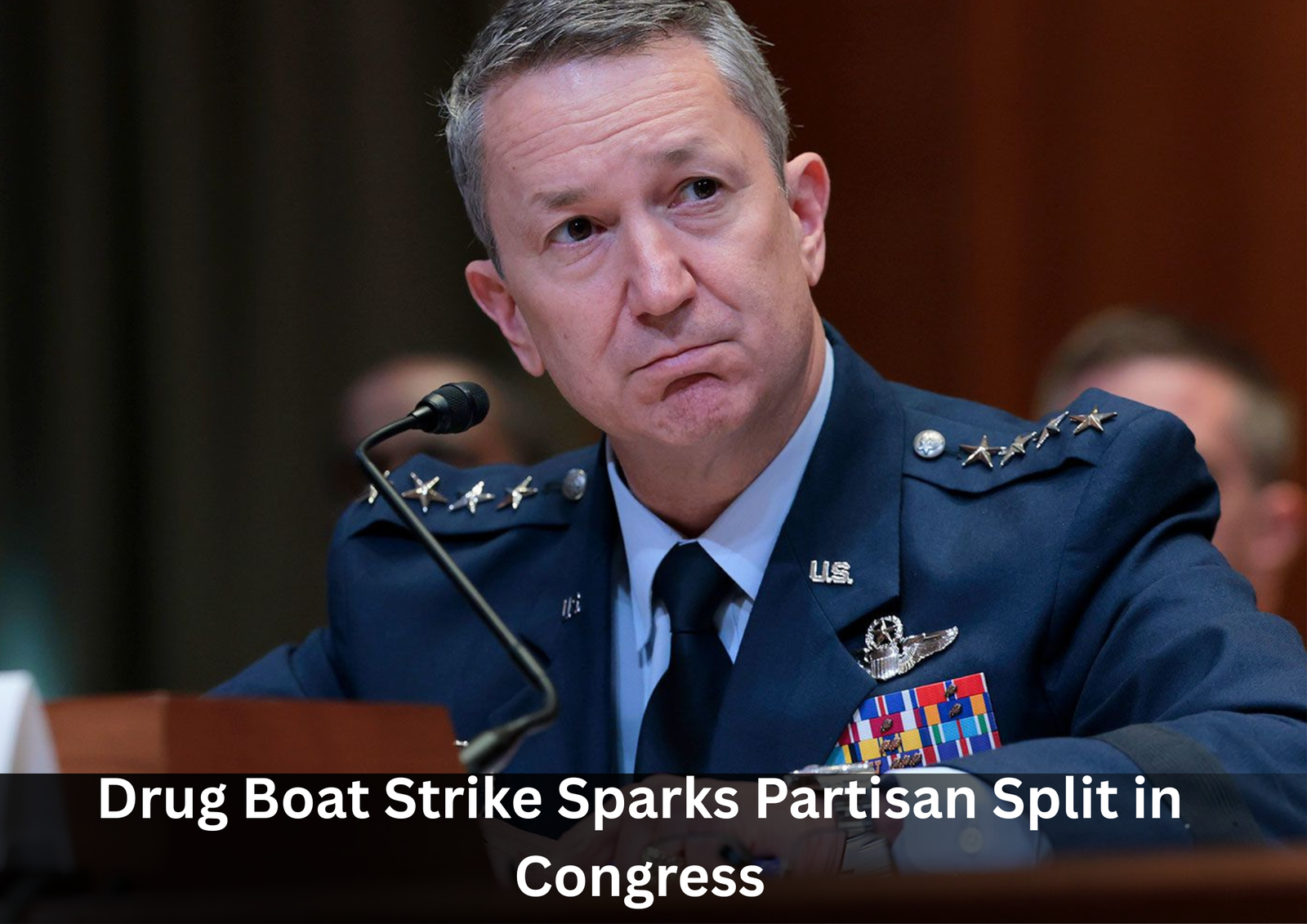
The series of attacks has prompted the House Oversight Committee to initiate a formal inquiry. Gen. Dan Caine, the chairman of the Joint Chiefs of Staff requested a comprehensive briefing from the Department of Defense, including operational timelines, legal reviews, and any intelligence that justified the follow-on strike on survivors. Lawmakers have also asked for all available video and sensor data, including footage reportedly captured by a Bradley fighting vehicle system used during the mission.
The timing of the strikes has drawn added scrutiny because of ongoing political events in Washington. The Senate is currently conducting an impeachment trial involving Homeland Security Secretary Pete Hegseth. One of the allegations centers on previous directives authorizing lethal force against suspected Venezuelan drug traffickers-decisions critics say may have influenced or enabled the latest military operation. Legislators are now examining whether any overlap exists between Hegseth’s policy history and the actions taken in the Caribbean this week.
Officials in Caracas condemned the U.S. operation, accusing Washington of violating Venezuelan sovereignty and escalating regional instability. In contrast, the Trump administration defended the strikes as part of a broad, long-standing counter-narcotics mission aimed at disrupting smuggling networks across the Caribbean corridor.
While U.S. officials maintain the mission aligned with established rules of engagement, the unusual decision to strike survivors from an earlier engagement has raised questions among legal scholars and policymakers. The forthcoming congressional briefing is expected to provide additional visibility into the chain of command, intelligence assessments, and the rationale guiding the operation.
As the political and military implications continue to unfold, the incident underscores growing tensions between Washington and Caracas as well as broader debates inside the U.S. about oversight, use of force, and counter-narcotics strategy.