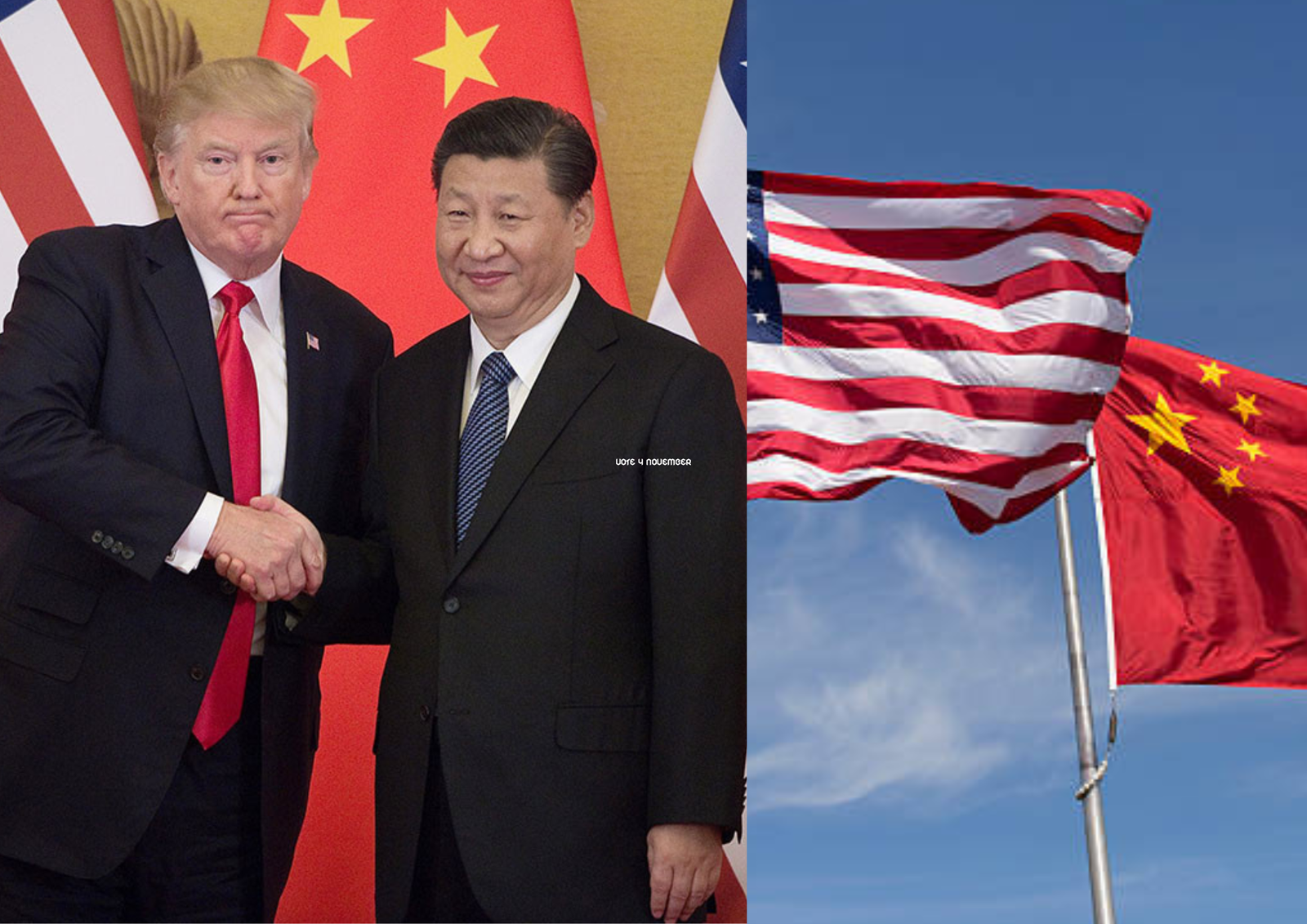
In a major step toward easing global trade tensions, the United States and China have reached a comprehensive agreement to lift key restrictions on rare earth minerals and agricultural products. The accord is being hailed as a breakthrough after months of high-level negotiations between the two economic powers.
Under the new agreement, China will end its export controls on rare earth minerals – materials crucial for the production of electric vehicles, smartphones, and advanced military systems. The United States, in turn, will eliminate tariffs on Chinese lithium-ion batteries and critical minerals that had been introduced in response to Beijing’s earlier trade measures.
The deal also addresses agricultural trade, a central issue for both governments. China has agreed to remove tariffs on American soybean imports, providing much-needed relief for U.S. farmers who have faced declining exports and price pressures since late 2024. Officials said both nations will synchronize the implementation of their commitments within the next two weeks.
U.S. Trade Representative Katherine Tai and Chinese Vice Premier He Lifeng announced the agreement following several rounds of intensive discussions held virtually over the past month. Both sides emphasized that the deal aims not only to reduce economic friction but also to encourage sustainable cooperation in technology and energy sectors.
Analysts describe the agreement as a potential turning point in U.S.-China economic relations. By ensuring a steady flow of rare earth materials and agricultural goods, the pact could stabilize global markets and support industries reliant on critical resources. Investors reacted positively to the news, with commodity prices showing early signs of recovery.
The resolution marks the end of a year-long dispute that began when China imposed export controls on rare earths in 2024, citing environmental concerns. The move was widely seen as a countermeasure to Washington’s restrictions on advanced chip exports to Chinese companies.
Now, with this new accord in place, both nations appear committed to restoring trust and predictability in global trade – a development welcomed by businesses and governments worldwide.