
U.S. Nuclear Test Preparations and Safety Measures
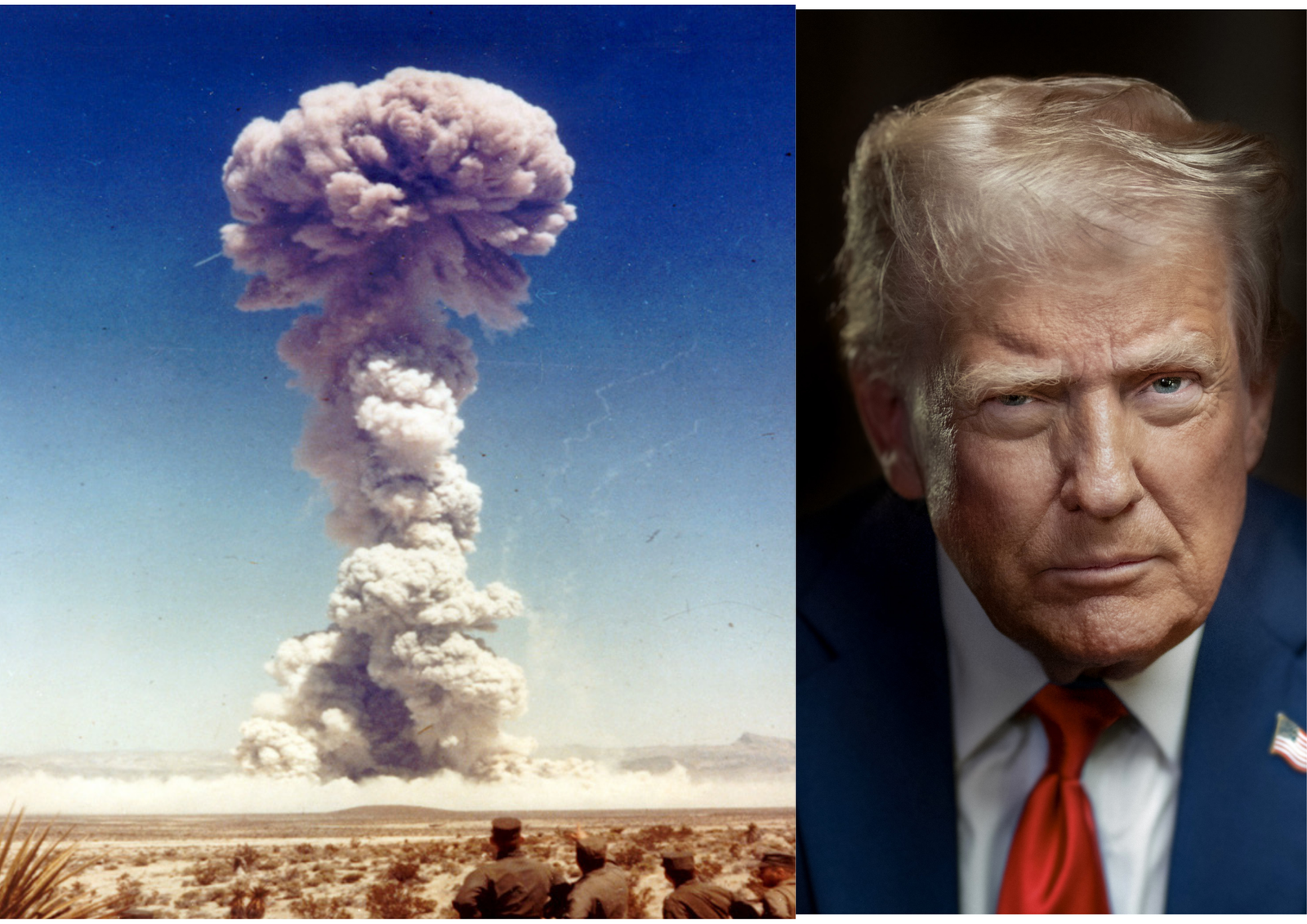
U.S. Energy Secretary Jennifer Granholm has provided rare insight into how the United States would carry out a nuclear test if deemed necessary. In a recent interview, Granholm confirmed that the Nevada National Security Site remains fully capable of supporting an underground nuclear detonation. The process, she explained, would involve drilling a deep borehole-extending several thousand feet into the earth-where a nuclear device could be lowered and detonated under controlled conditions. Highly sensitive instruments would then record data to verify the performance and reliability of existing warheads.
Granholm emphasized that such a test would serve purely technical and security-related objectives rather than demonstrate military aggression. “Our readiness ensures that we can maintain the integrity and reliability of our deterrent without seeking confrontation,” she noted. While the infrastructure is maintained for rapid execution, she underscored that the ultimate decision to conduct a test rests solely with the President of the United States.
Pakistan’s Expanding Arsenal and Regional Implications
As U.S. officials reaffirm test preparedness, concerns are rising over Pakistan’s growing nuclear capabilities. Intelligence analysts and former defense officials have warned that Pakistan’s arsenal has expanded to more than one hundred operational warheads, including tactical nuclear weapons designed for battlefield use.
Experts have voiced alarm over the security of these weapons amid Pakistan’s ongoing political instability. The risk of nuclear material falling into the hands of extremist groups remains a key concern among international observers. The developments have reignited tensions in South Asia, particularly with India, where both nations continue to modernize their military and strategic capabilities.
Rising Global Nuclear Risks and Eroding Diplomacy
Security analysts warn that the world is entering a new and more dangerous nuclear era. Growing competition among the United States, Russia, and China has accelerated weapons modernization programs, leading to heightened uncertainty. With the collapse or expiration of several key arms control treaties-including the Intermediate-Range Nuclear Forces Treaty and the partial erosion of the New START agreement-diplomatic safeguards that once helped prevent escalation have weakened.
In addition, emerging technologies such as hypersonic delivery systems and cyber warfare capabilities are complicating the global security environment. The risk of miscalculation or accidental escalation is now viewed as higher than at any time since the Cold War.
The Path Forward for Global Security
Amid rising global tensions, experts are calling for renewed diplomatic engagement and stronger international agreements to curb proliferation. They stress the importance of transparency, communication, and rebuilding trust among nuclear-armed states. The United States continues to support the goals of the Comprehensive Nuclear-Test-Ban Treaty, even as it maintains readiness to ensure deterrence.
Analysts caution that without collective commitment from major powers, the world could drift into a new arms race defined by secrecy, technological competition, and diminishing opportunities for dialogue. As one former defense official put it, “We are standing at a crossroads where restraint and cooperation could determine whether the next decade is one of stability-or unprecedented risk.”


