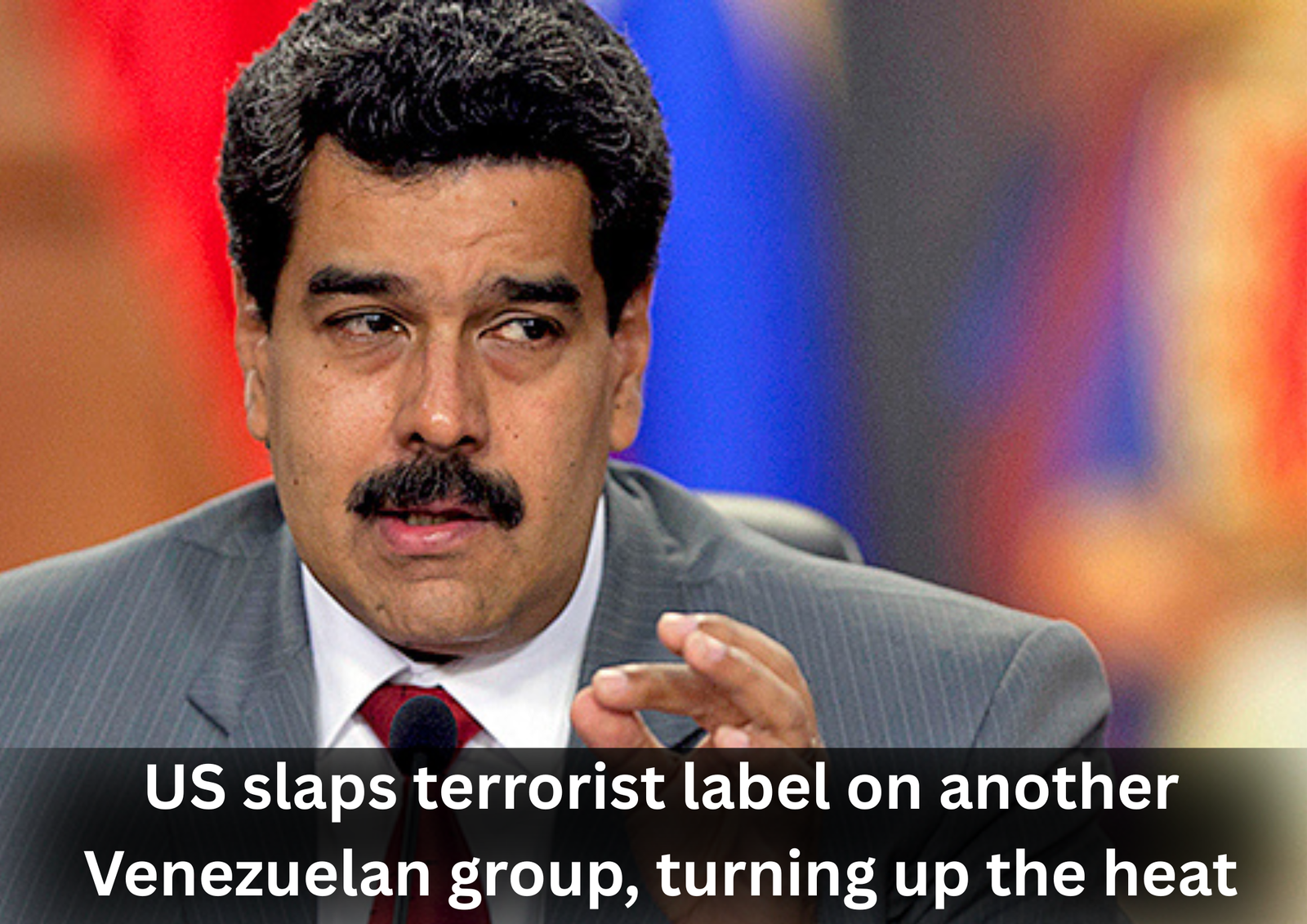
The United States is preparing to take one of its most aggressive steps yet against the government of Venezuelan President Nicolás Maduro. Senior officials confirmed that the Biden administration will designate the Cartel de los Soles – a powerful network of Venezuelan military and political elites accused of drug trafficking – as a foreign terrorist organization. Alongside the designation, Washington is set to restore full oil sanctions against Venezuela, reversing the partial relief granted last year.
A Major Shift in U.S. Strategy
According to administration officials, the dual measures are intended to dismantle the financial networks that have long helped sustain Maduro’s grip on power. Authorities claim the cartel operates as a shadow structure within Venezuela’s security forces, enabling large-scale narcotics operations and cooperating with international criminal groups.
One senior official described the action as an effort to “cut off the fuel line that empowers corruption and transnational crime in Venezuela.” The move marks a return to the maximum-pressure strategy used in previous years, reflecting frustration over the lack of democratic progress in the country.
Caracas Rejects the Allegations
Venezuela’s government responded swiftly, calling the U.S. move “absurd and politically motivated.” In a statement issued by the foreign ministry, officials accused Washington of fabricating claims to justify deeper interference in the nation’s internal affairs.
The Maduro administration insisted that the accusations of terrorism and drug trafficking are baseless and warned that new sanctions would worsen conditions for millions of Venezuelans already suffering from economic hardship.
Debate Inside the United States
The announcement has stirred a sharp divide in Washington. Supporters of the renewed sanctions argue that earlier attempts at diplomacy failed to produce democratic reforms or fair elections. They believe that the pressure campaign is necessary to weaken the political and military figures surrounding Maduro.
Critics, however, caution that intensifying sanctions may further devastate Venezuela’s economy, push more families into poverty, and complicate regional migration challenges. Some foreign-policy analysts note that isolating Caracas could erase any remaining channels for dialogue.
Economic and Regional Impact
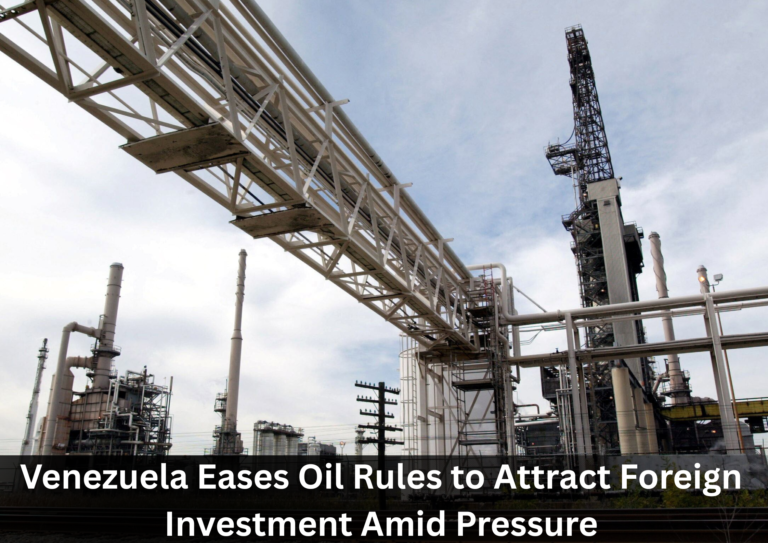
Reinstating full oil sanctions is expected to have immediate consequences for Venezuela’s struggling petroleum sector, the country’s main source of foreign income. Energy analysts anticipate sharp declines in exports in the coming months, further limiting the government’s ability to access international markets.
Regional observers warn that the combined effect of the terrorist designation and oil sanctions could heighten political tensions in Latin America, while placing additional pressure on neighboring nations already hosting millions of Venezuelan migrants.
What Comes Next
U.S. officials say the formal designation process is underway and will be accompanied by new financial restrictions targeting individuals linked to the cartel. The administration insists that humanitarian exemptions will remain in place, but aid organizations fear the broader economic fallout could still be severe.
As Washington escalates its approach, both supporters and critics agree on one thing: the move represents one of the most consequential shifts in U.S.–Venezuela policy in years, setting the stage for a new chapter in an already turbulent relationship.