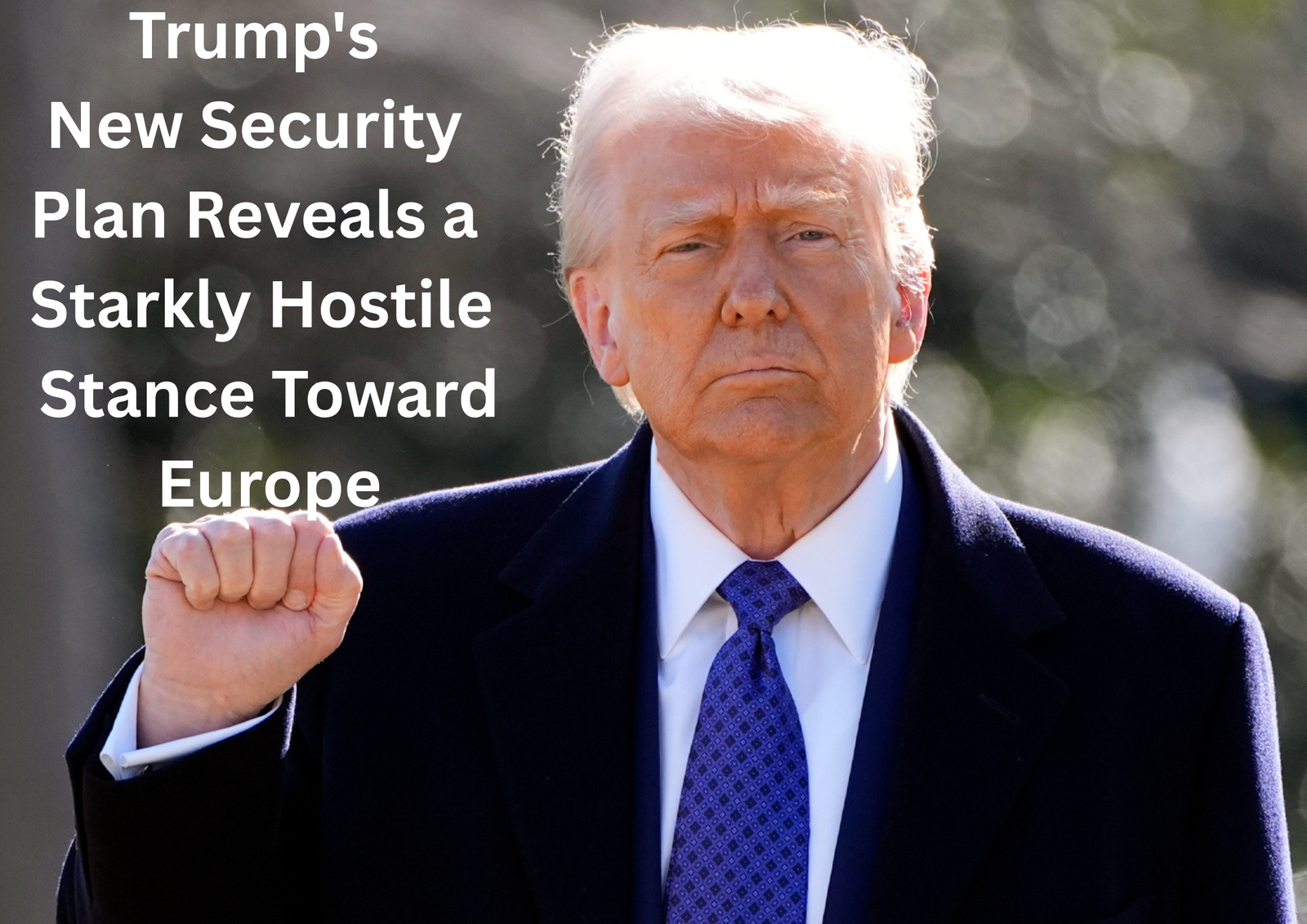
The administration of Donald Trump has released a sweeping new National Security Strategy that signals a fundamental realignment of American foreign policy, placing the defense of the Western Hemisphere above long-standing security commitments overseas and reframing Europe as a central economic competitor.
The strategy marks a clear break from decades of U.S. policy that emphasized transatlantic unity and military engagement in Europe and Asia. Instead, the document identifies economic rivalry, trade disputes, and regional security in the Americas as the primary challenges facing the United States in the coming years.
According to the administration, the homeland is now best protected by strengthening influence and stability closer to U.S. borders. Officials argue that national security “begins in the neighborhood,” describing North and South America as the new geographic center of American strategic planning. This shift signals a likely reallocation of military, intelligence, and diplomatic resources away from Europe.
One of the most striking changes outlined in the strategy is its depiction of European nations as economic rivals rather than unquestioned allies. The policy criticizes European trade practices, accusing them of relying on heavy regulation and government subsidies that disadvantage American businesses. Officials say these economic policies now pose a direct threat to U.S. prosperity and competitiveness.
The move has unsettled European leaders, many of whom expressed concern over what they described as a dramatic departure from the post–World War II alliance framework. Several diplomats warned that the new posture raises urgent questions about the future of collective defense under NATO, which has relied heavily on American leadership for more than seven decades.
Migration policy also plays a prominent role in shaping the administration’s new outlook on Europe. A separate White House roadmap argues that demographic changes across the continent could transform European societies within two decades. The document suggests that internal pressures linked to migration may weaken Europe’s long-term reliability as a U.S. security partner.
In another notable development, the strategy significantly reduces the emphasis placed on Russia as a primary threat in Europe. While Moscow is not characterized as an ally, the document no longer treats Russian influence as the central organizing challenge it once was. Analysts say this represents one of the most consequential shifts in U.S. strategic thinking in a generation.
Domestically, reactions to the strategy have been sharply divided. Supporters argue the policy reflects a realistic reassessment of U.S. priorities and pushes wealthy allies to take more responsibility for their own security. Critics counter that weakening traditional alliances could diminish American global influence and create openings for strategic competitors such as China and Russia.
Foreign policy experts at institutions like the Council on Foreign Relations warn that economic disputes with allies, if allowed to override security cooperation, could reshape the global balance of power in unpredictable ways.
The release of the strategy represents the most comprehensive expression yet of the administration’s “America First” doctrine-prioritizing domestic security, economic competition, and regional influence over traditional alliance-based leadership. Whether the new approach will strengthen U.S. security or strain global stability remains an open question as the policy begins to take effect.