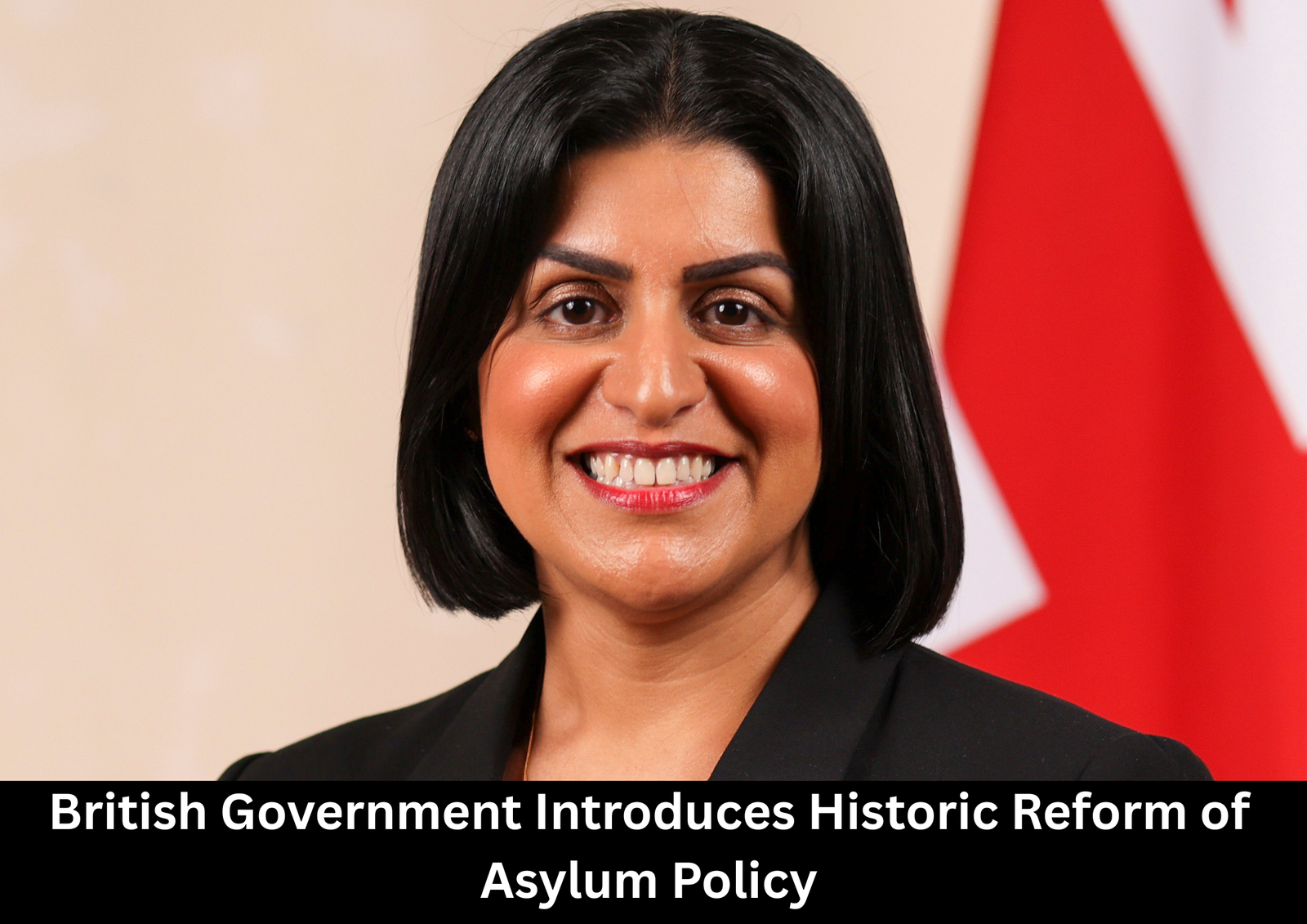
The UK government has unveiled a sweeping transformation of its asylum system, marking what ministers describe as the most extensive overhaul in a generation. The changes, which shift government assistance from a guaranteed entitlement to a discretionary benefit, have ignited a nationwide debate over the country’s responsibilities toward people seeking refuge.
Under the new approach, the Home Office will decide on a case-by-case basis whether asylum seekers qualify for accommodation or financial support. Officials say that asylum applicants who fail to attend scheduled interviews, ignore reporting requirements, or refuse steps toward relocation to approved third countries-including Rwanda-may be deemed “non-compliant” and therefore ineligible for aid.
The move builds on the “Safety of Rwanda Act,” legislation approved earlier this year after prolonged legal battles over the UK’s attempt to establish offshore processing for arrivals deemed inadmissible. Government ministers argue that tightening the rules will deter irregular crossings across the English Channel, speed up removals, and reduce the billions spent annually on temporary housing.
Home Secretary officials framed the policy as a necessary response to what they describe as an unsustainable asylum system. They pointed to the large number of arrivals via small boats and the rising cost of emergency accommodation, particularly hotel use, as evidence that rapid action was required.
However, humanitarian organizations say the measures risk pushing already vulnerable people into severe hardship. Charities warned that families could face homelessness and children may be left without basic necessities if support is withdrawn. Opposition lawmakers echoed those concerns, calling the policy both “unworkable” and “morally irresponsible.” They argue that removing safety nets will not prevent dangerous journeys but will instead create a crisis within UK communities.
Legal experts expect significant court challenges in the coming months, with several rights groups preparing to argue that the policy could breach international obligations, including the European Convention on Human Rights. The government, meanwhile, insists that the framework is legally sound and essential to restoring what it describes as “fairness and control” to the immigration system.
The overhaul marks a notable escalation in the government’s asylum strategy, following years of political battles over offshore processing and border enforcement. Supporters say the plan strengthens deterrence; critics argue it risks damaging the UK’s reputation for humanitarian leadership.
As the new rules take effect, the country now faces a period of heightened scrutiny, with the real-world impact of the policy expected to shape the national debate on asylum for months to come.