Diplomatic Channels Intensify as Negotiators Meet in the Gulf
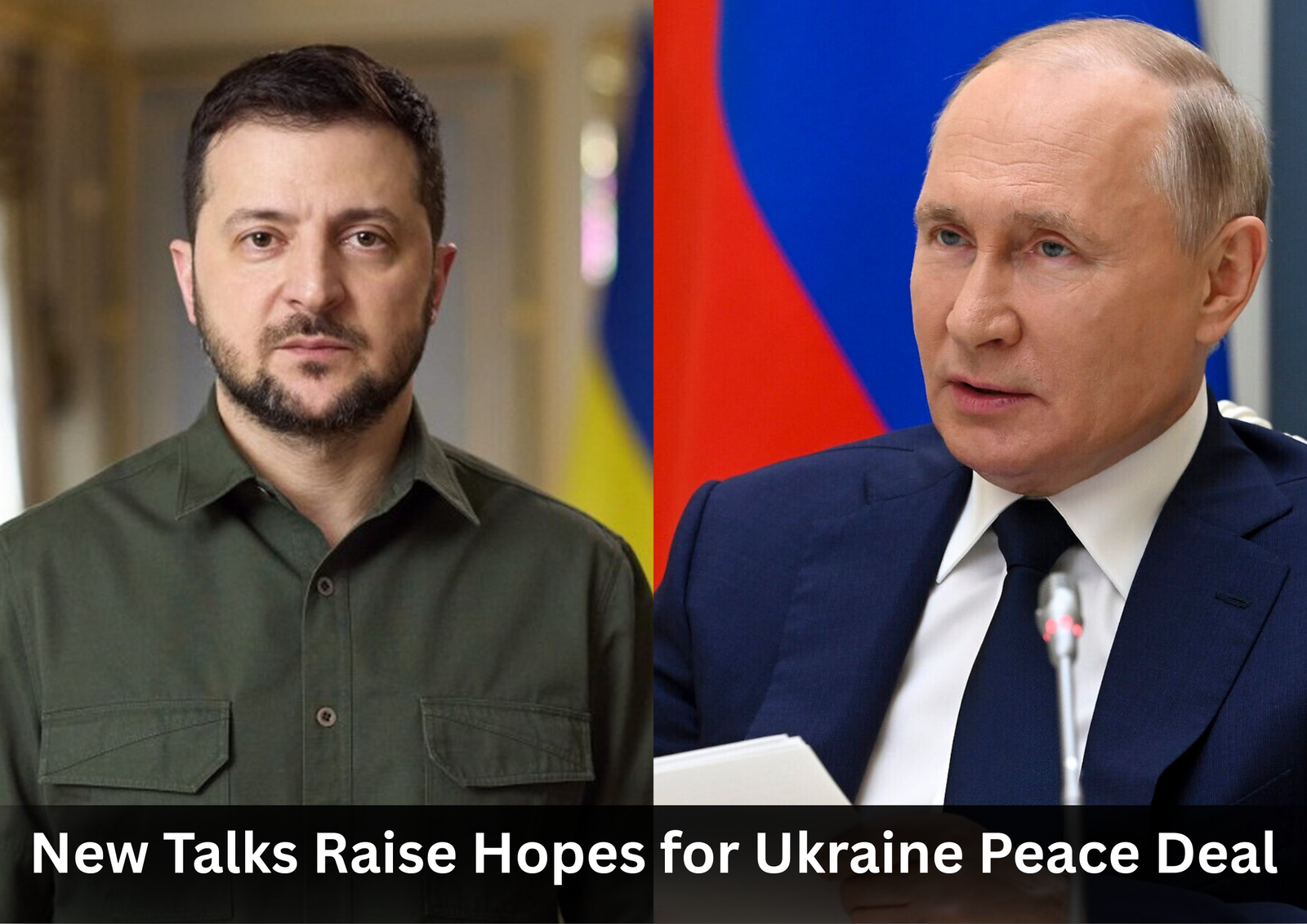
Efforts to end the long-running war between Ukraine and Russia have entered a new phase, with negotiators holding direct talks in Abu Dhabi. While Presidents Volodymyr Zelenskyy and Vladimir Putin are not personally at the table, senior advisers from both governments are working through potential frameworks for a settlement. The talks are being facilitated with support from the United States, where senior members of President Donald Trump’s national security team are acting as intermediaries. Washington has made clear that any final arrangement must align with the principles of the UN Charter, particularly the protection of national borders and sovereignty.
Moscow Signals Its Red Lines
Russian representatives have outlined several conditions they deem essential for a long-term peace accord. Chief among them is a demand that Ukraine formally step away from ambitions to join NATO. The Kremlin is also seeking international recognition for territories it currently controls, including regions annexed over the past decade. Officials in Moscow argue that such recognition is necessary to secure what they describe as “lasting stability,” though Western governments remain sharply opposed to endorsing territorial changes achieved through force.
Kyiv Pushes Back Against Territorial Concessions
Ukrainian leaders stress they will not sign any deal that legitimizes Russia’s occupation of Ukrainian soil. President Zelenskyy has repeatedly stated that the country cannot accept a proposal that fractures its territory or undermines its sovereignty. Ukrainian officials warn that an unbalanced settlement could entrench Russia’s strategic position and create the conditions for renewed conflict. Security analysts also caution that a poorly structured agreement may function as only a temporary pause, allowing Moscow to consolidate gains and prepare for future offensives.
Experts Question Russia’s Diplomatic Intentions
A growing chorus of Western policy experts believes the Kremlin is leveraging negotiation rounds to secure what it could not win militarily. Many analysts frame Putin’s approach as an extension of long-standing geopolitical strategy – using diplomatic processes to cement battlefield gains while minimizing further economic and military costs. Observers argue that Russia’s demands for neutrality and territorial recognition reflect broader ambitions to reshape the security order in Eastern Europe.
Global Stakes and Uncertain Outcomes
The Abu Dhabi talks represent the most coordinated diplomatic push since the early months of the invasion. Nevertheless, the issue of who controls occupied Ukrainian land remains the most divisive obstacle. Governments around the world are watching closely to see whether the process will deliver a peace agreement that enhances stability or merely freezes the conflict in place. International officials say the durability of any future settlement will depend on security guarantees for Ukraine and a clear rejection of force as a tool for redrawing borders.