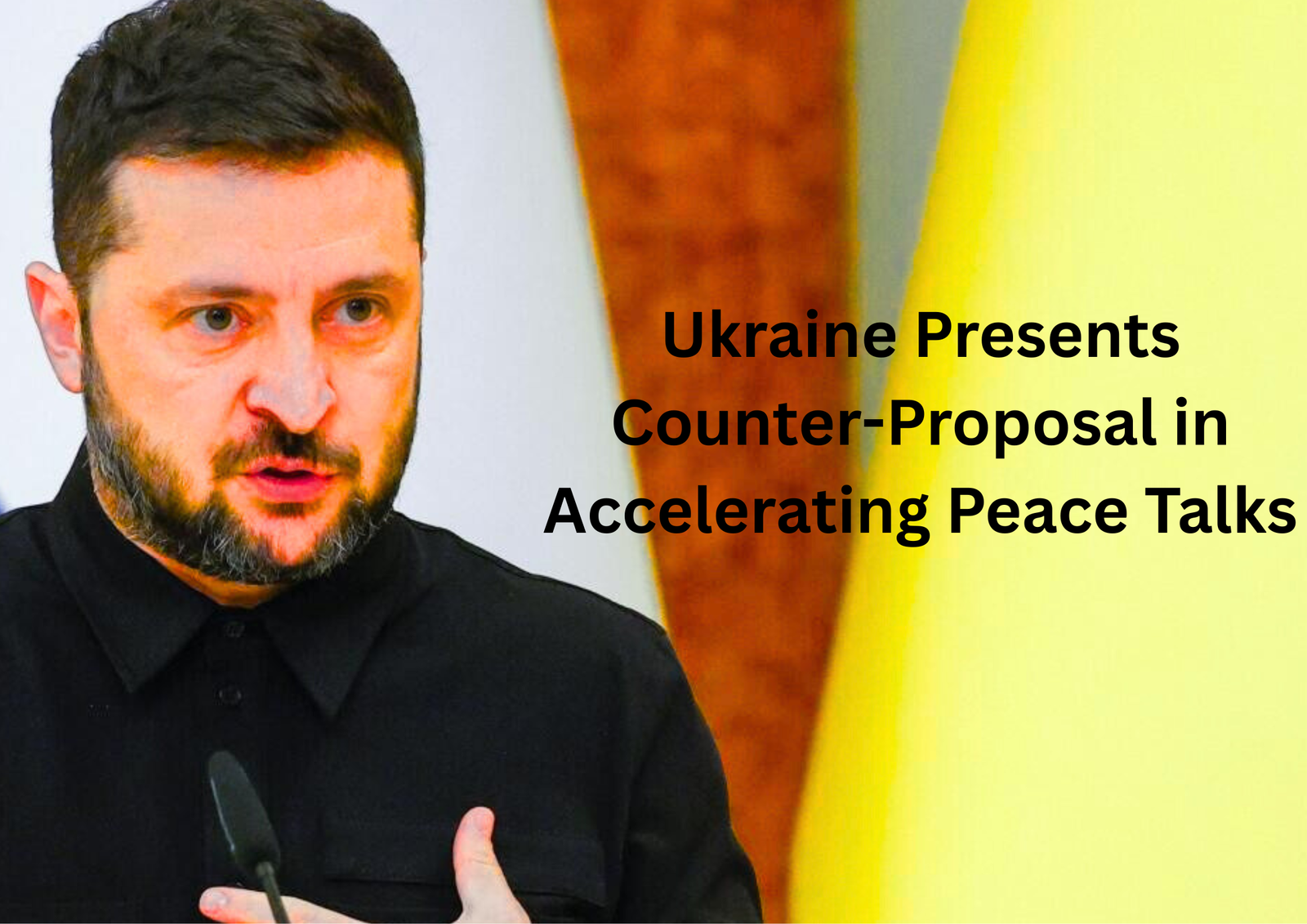
Ukraine has delivered its official response to a revised U.S. peace proposal, marking one of the most significant steps in the latest attempt to halt the nearly three-year conflict with Russia. The submission comes amid an intense period of diplomatic activity and ongoing military clashes across the front.
The new phase of negotiations follows Washington’s decision to streamline its earlier peace blueprint into a 20-point document aimed at defining conditions for a potential settlement. President Volodymyr Zelenskyy confirmed that his negotiating team had completed its review, calling the text “a foundational outline for future decisions.”
European diplomats familiar with the talks say the updated plan includes the establishment of a demilitarized zone along current battle lines and a new system of security guarantees designed to prevent future escalations. The proposal also suggests a fast-tracked process for Ukraine to join the European Union by 2027. Notably, the draft no longer contains language that would have permanently restricted Ukraine from entering NATO, a shift that many analysts view as an attempt to keep Kyiv’s long-term security options open.
Several points in the proposal, however, remain controversial. One provision reportedly acknowledges Russian control over certain occupied territories, a position that would represent a major departure from previous U.S. policy. Another proposes limiting the size of Ukraine’s armed forces, a clause Ukrainian officials have privately criticized as unrealistic given the country’s security needs.
While diplomats work to narrow differences, the conflict on the ground continues. Russia reported intercepting dozens of Ukrainian drones overnight, while Ukraine said it shot down more than half of the 80 drones launched toward its territory. Zelenskyy argued that the continued strikes demonstrate Moscow’s lack of genuine interest in a ceasefire, noting that his recent call for an “energy truce” was quickly dismissed by the Kremlin.
In parallel with the political negotiations, Zelenskyy met with U.S. Treasury Secretary Scott Bessent and private-sector leaders to begin shaping a long-term economic recovery plan. The meeting focused on rebuilding infrastructure, attracting investment, and coordinating international assistance once fighting subsides.
Despite growing diplomatic engagement, officials on both sides acknowledge that a final agreement remains uncertain. U.S. Secretary of State Marco Rubio emphasized that while Washington can facilitate dialogue, the ultimate decision lies with the parties involved. European and NATO leaders have also expressed skepticism, noting that there is still no clear indication that Russia is prepared to make concessions needed for a lasting settlement.
For now, Ukraine’s response signals cautious progress in a negotiation process that remains fragile but increasingly urgent as winter sets in and the human toll of the conflict continues to mount.