Venezuela has entered a volatile new phase after the dramatic capture of longtime leader Nicolás Maduro, with the United States signaling a pragmatic approach that prioritizes stability, oil production, and controlled political transition. The shift has placed Venezuelan opposition figure María Corina Machado on the sidelines, despite her growing international profile and recent Nobel Peace Prize recognition.
Machado, speaking in recent U.S. media interviews, praised President Donald Trump for authorizing the operation that led to Maduro’s arrest, calling it a turning point for democracy in Venezuela. She reiterated her intention to return home and push for fresh elections, arguing that the opposition would secure an overwhelming mandate if Venezuelans were allowed to vote freely.
Despite those appeals, Trump has made clear that Washington is not prepared to back Machado as a transitional leader. U.S. officials have instead indicated support for working with Venezuela’s interim authorities, led by former vice president Delcy Rodríguez, whom American intelligence reportedly views as capable of preventing further chaos in the short term.
Oil at the Center of U.S. Engagement
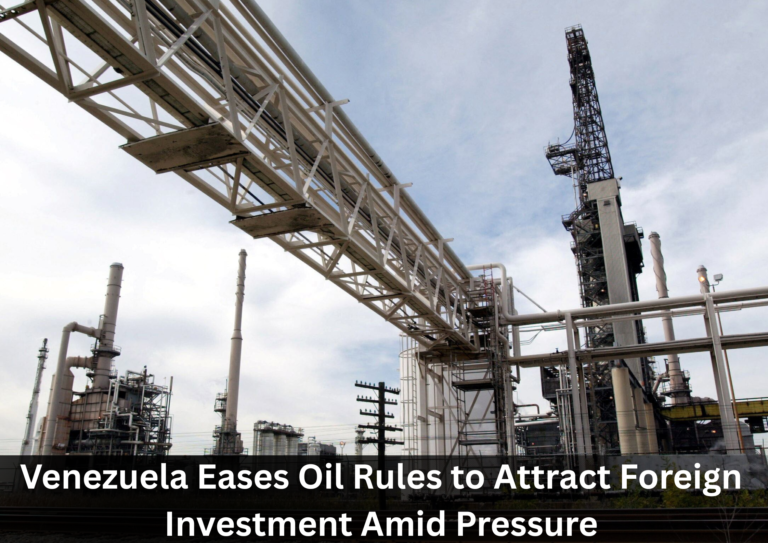
A key pillar of Washington’s strategy involves Venezuela’s vast oil reserves. The White House has announced plans to refine and sell tens of millions of barrels of Venezuelan crude that had been locked under sanctions. The proceeds, according to Trump, would be tightly controlled to ensure they are directed toward reconstruction efforts and broader regional stability.
The move has already attracted interest from major U.S. energy companies, including Exxon Mobil, Chevron, and ConocoPhillips, which are expected to hold talks with administration officials about potential investments once sanctions frameworks are adjusted.
Opposition Pushback and Political Uncertainty
Machado has strongly criticized Rodríguez’s interim government, describing it as an extension of the old power structure rather than a genuine break from repression. She has dismissed suggestions that gradual reform under current officials would lead to meaningful change, insisting that only immediate elections can restore legitimacy.
For now, however, the White House has indicated that elections will not be held in the immediate aftermath of Maduro’s removal, citing security concerns and the need to stabilize institutions. That position has fueled frustration among opposition supporters while reassuring regional actors wary of a sudden power vacuum.
Legal Fallout and International Response
Maduro and his wife have appeared in U.S. federal court to face charges including narco-terrorism and drug trafficking conspiracies. Venezuelan authorities, meanwhile, have declared a period of national mourning for security personnel killed during the raid, while international estimates of casualties vary widely.
The operation has drawn sharp criticism from countries aligned with Caracas, including Russia and China, while several U.S. allies have urged Washington to ensure its actions remain consistent with international law. At the same time, American officials are pressuring Venezuela’s interim leadership to reduce the influence of foreign security advisers from rival powers.
As Venezuela navigates this uncertain transition, the divide between calls for rapid democratic change and Washington’s calculated, oil-focused engagement continues to define the country’s future.
For deeper context on “Federal Law Enforcement Deployment Intensifies in Minneapolis as Immigration and Fraud Probes Converge,” read the full blog to understand the forces reshaping Minneapolis right now.