


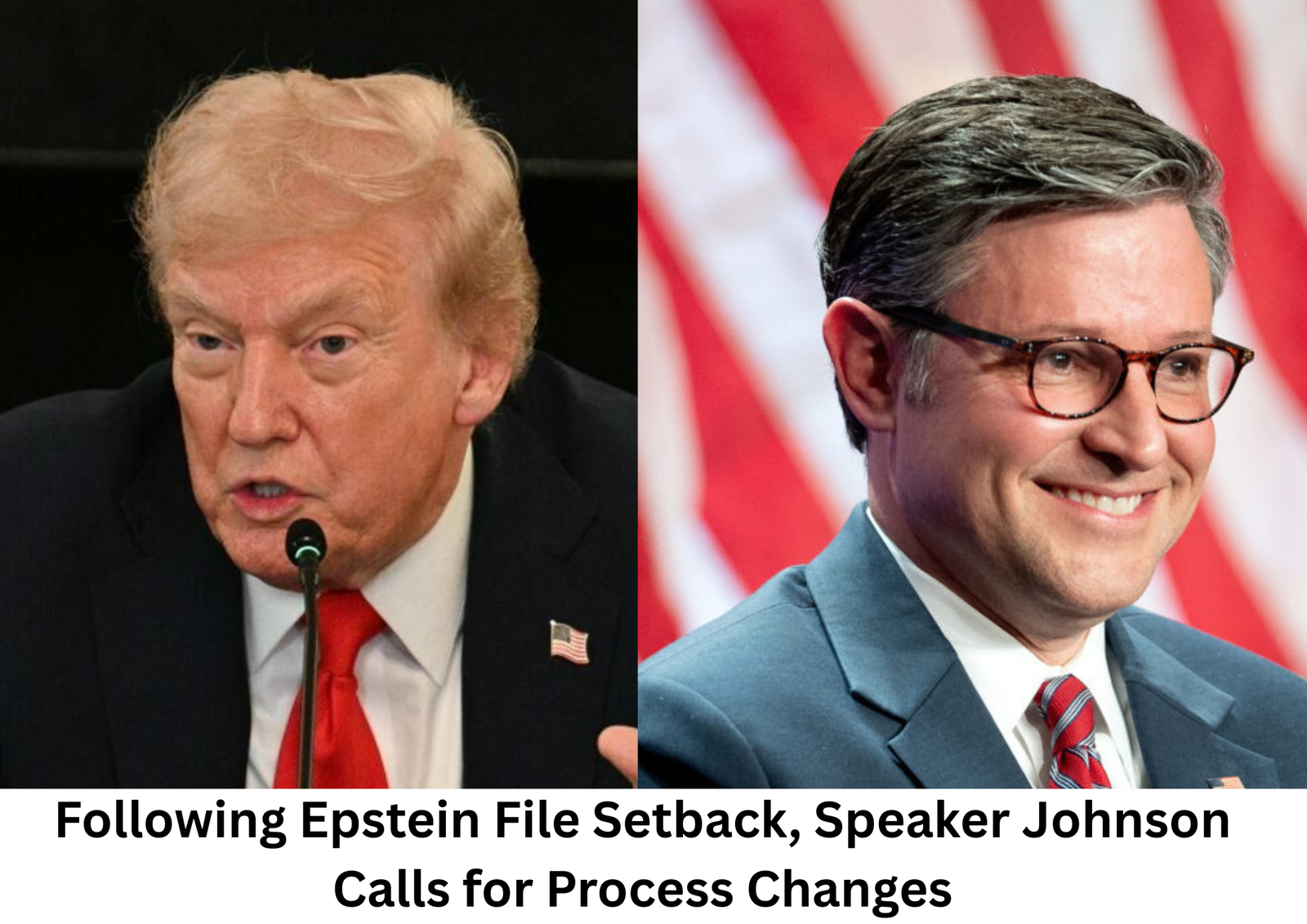
House Moves Toward Forced Vote on Epstein Document Release
House Speaker Mike Johnson has taken an unusual step to accelerate a vote on releasing additional records tied to the long-running Jeffrey Epstein investigation. Johnson is preparing a discharge petition – a rarely used congressional tool that allows lawmakers to circumvent standard committee procedures if at least 218 members sign on.
The petition is aimed at fast-tracking, a resolution introduced by Rep. that would compel the public release of all Epstein-related documents not bound by judicial protective orders. The move follows mounting pressure from outspoken conservative members, including Marjorie Taylor Greene, who has repeatedly demanded that Congress force full transparency surrounding Epstein’s network and associates.
If enough lawmakers support the petition, the measure would be placed directly on the House floor for a vote, bypassing the typical gatekeeping of committee leadership.
Unsealed Testimony Reveals Conflicting Statements from Trump
Separately, newly released records from a legal case have drawn renewed attention to President Donald Trump’s past interactions with individuals connected to Epstein. In the deposition, Trump initially claimed not to recognize Virginia Giuffre – one of Epstein’s most prominent accusers – when shown a photograph. Moments later, after conferring with his attorney, he corrected himself and acknowledged knowing her from media coverage.
The documents also include testimony from Epstein’s former household staff, who recalled seeing high-profile visitors at Epstein’s residences, including Trump, Bill Clinton, and Prince Andrew. While the butler said he remembered their visits, he could not provide detailed accounts of when or why they were there.
The release of these materials has reignited debate over how extensive the public disclosures in the case should be and what impact additional records could have on prominent individuals.
Trump Reverses Position on Releasing Epstein Files
In a notable shift, Trump has recently moved away from his earlier call to publicly release the remaining Epstein documents. After previously saying transparency would help “put the matter to rest,” he now argues the disclosures could unfairly damage people whose names appear in investigative files.
He stated that the case has been “investigated thoroughly” and that releasing more information could be weaponized to “destroy reputations.”
Trump’s reversal comes as scrutiny intensifies over the newly unsealed court materials involving his own testimony. Meanwhile, Greene and other conservative allies continue to pressure House leadership to escalate the push for full disclosure, accusing political officials from both parties of attempting to prevent accountability.


