

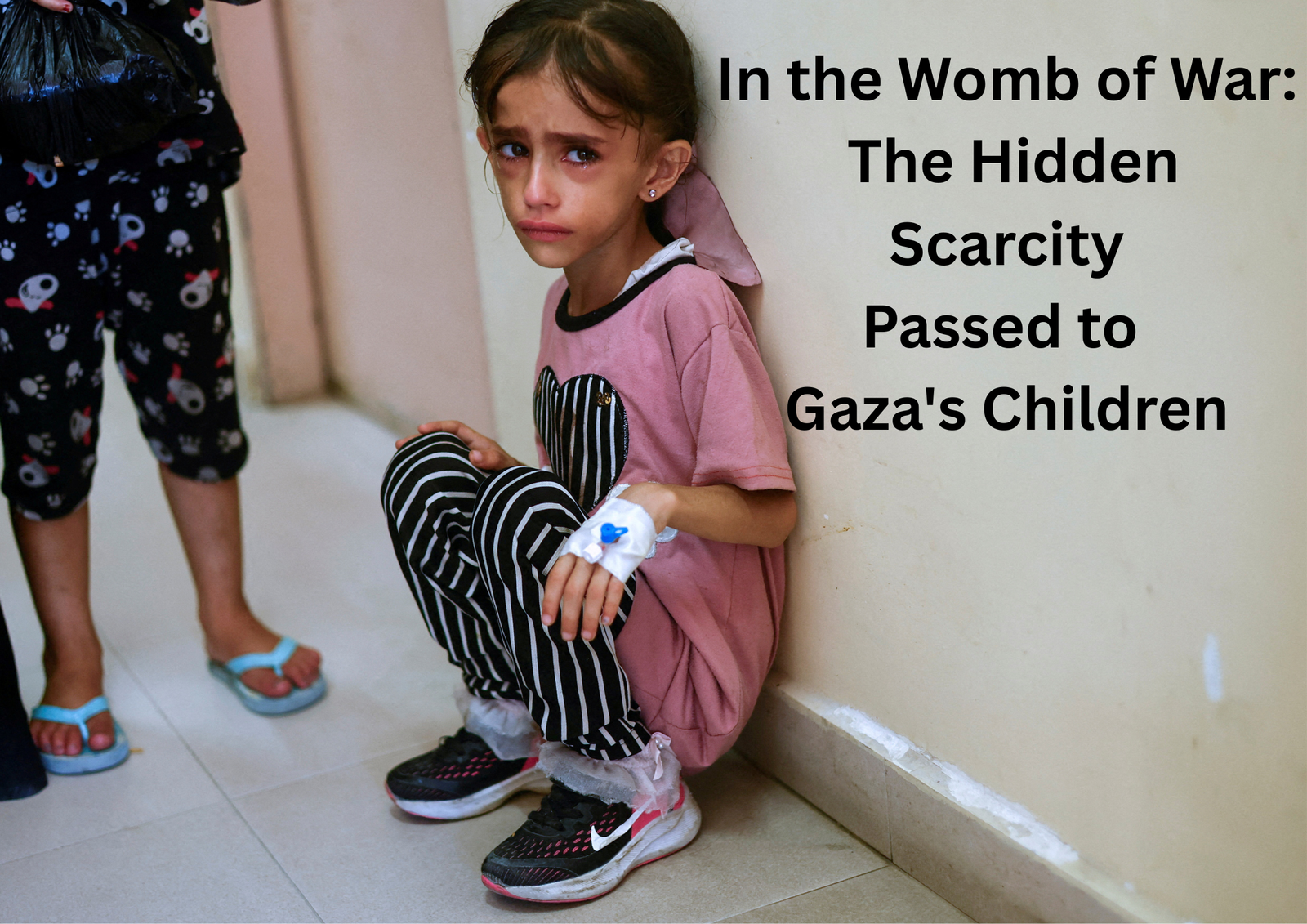
Global humanitarian agencies are sounding the alarm over persistently severe child malnutrition in Gaza, warning that the nutritional crisis continues at dangerous levels even after the recent truce reduced large-scale fighting.
New assessments released by UNICEF and the World Health Organization show that a significant share of children under the age of five are still suffering from acute malnutrition, a condition that sharply increases the risk of death and long-term physical and cognitive damage. Despite an increase in humanitarian deliveries since the ceasefire, agencies say the flow of aid remains uneven and far below what is needed to stabilize child nutrition across the territory.
The crisis is now extending to the earliest stages of life. A recent UNICEF study highlights a sharp rise in low-birthweight infants, directly linked to widespread food insecurity among pregnant and breastfeeding mothers. Health officials report that most expectant mothers are not receiving sufficient nutrients, leaving newborns vulnerable from the moment they are born.
Doctors warn that babies born underweight face far greater risks in the first weeks of life and, for those who survive, a much higher likelihood of stunted growth and delayed development. Medical experts stress that damage occurring in the first two years of life can permanently affect brain development, reducing learning capacity and future economic prospects.
Hospitals across Gaza are already struggling to cope. Pediatric units are crowded with children suffering from severe wasting, dehydration, and complications related to weakened immune systems. Malnourished children are far more susceptible to preventable illnesses such as pneumonia, measles, and acute diarrhea-diseases that can quickly become fatal in overcrowded and under-resourced medical facilities.
Humanitarian officials emphasize that reversing acute malnutrition requires more than standard food aid. Children in critical condition need therapeutic nutrition, specialized medical treatment, and consistent follow-up care. However, years of conflict have severely damaged health infrastructure, and ongoing access challenges continue to limit the reach of advanced nutrition programs.
Agencies working under the broader umbrella of the United Nations describe the situation as a compounding emergency-where displacement, food shortages, and a fragile healthcare system interact to deepen long-term risks for an entire generation. Even with improved aid access, they caution that the current response still falls short of what is required to prevent irreversible harm.
Aid groups are urging sustained international support, expanded humanitarian corridors, and priority access for maternal and child health services. Without swift and coordinated action, officials warn, the consequences of today’s malnutrition crisis will continue to shape Gaza’s future for decades to come.