
President Donald Trump has reignited debate across global capitals after delivering a series of blunt remarks on Europe’s defense commitments, the war in Ukraine, and immigration policy, signaling that his second, non-consecutive term could usher in a sharp shift in U.S. foreign relations. The comments come just weeks before his formal return to the White House.
Speaking in recent interviews and public appearances, Donald Trump questioned what he described as Europe’s long-standing dependence on American military power. He argued that the United States has carried a disproportionate share of the burden for defending the continent and suggested that future U.S. protection would no longer be unconditional.
Pressure on NATO Allies Raises Alarm
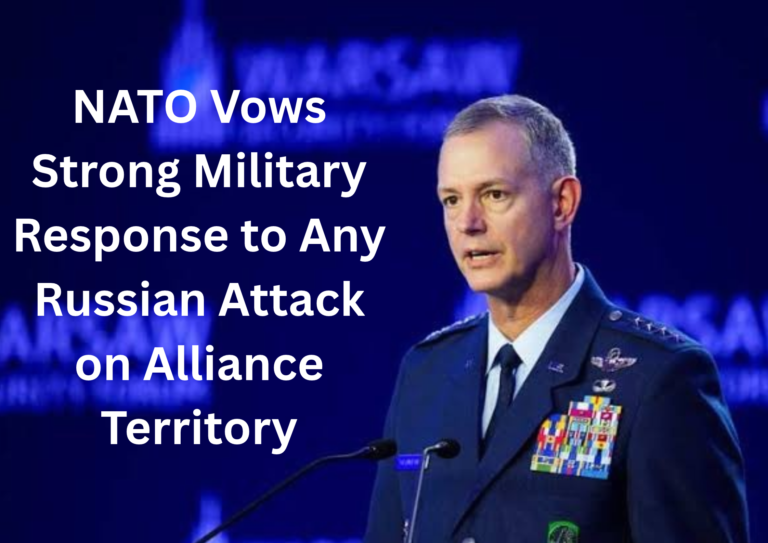
Trump again targeted spending levels within NATO, singling out Germany as an example of a wealthy nation that he claims has failed to contribute adequately to collective defense. He suggested that U.S. support should be tied directly to how much allied nations invest in their own security, a position that has historically worried European leaders.
Security analysts say such rhetoric could place new strain on transatlantic relations at a time when global tensions remain elevated.
Ukraine War at the Center of Diplomatic Uncertainty
Trump also addressed the ongoing conflict in Ukraine, calling the war a major destabilizing force for Europe. He argued that European governments have not taken on enough responsibility in supporting Kyiv, leaving the United States to shoulder much of the financial and military assistance.
Repeating a claim he made frequently on the campaign trail, Trump said he believes the conflict could be brought to a rapid conclusion through direct talks involving Ukrainian President Volodymyr Zelenskyy and Russian President Vladimir Putin. While he offered no specific roadmap, he maintained that personal diplomacy would be key to ending the war.
Immigration and Cultural Identity
In a separate set of comments, Trump sharply criticized European immigration policies, arguing that mass migration has reshaped societies across the continent. He framed Europe’s experience as a cautionary tale for the United States and warned against adopting similar approaches at home.
His statements echoed themes from his previous presidency, where immigration enforcement and border control were central pillars of domestic policy.
Russia Ties and Campaign Strategy
Trump also revisited his past relationship with Russia’s leadership, describing his interactions with Putin as constructive and suggesting that previous diplomatic engagement helped prevent escalation during his first term.
On the domestic front, the president-elect signaled a shift in campaign strategy by downplaying the role of traditional political action committees. Instead, he emphasized direct voter outreach through rallies and digital communication as the core driver of his political movement.
Global Reactions Build Ahead of Inauguration
Foreign policy experts say Trump’s remarks point toward a more transactional approach to alliances and international agreements in the coming years. With his inauguration nearing, governments across Europe and beyond are bracing for potential recalibrations in U.S. policy on defense, security cooperation, and diplomatic engagement.
As Trump prepares to reassume office, the world is watching closely to see how these campaign-season declarations translate into real-world decisions.