
NATO’s top military commander has issued a strong warning against any potential attack on the alliance, saying member countries are prepared to stop an invasion and dismantle the military capabilities supporting it. The message comes as tensions between Russia and Western nations remain high over the war in Ukraine and a series of security incidents across Europe.
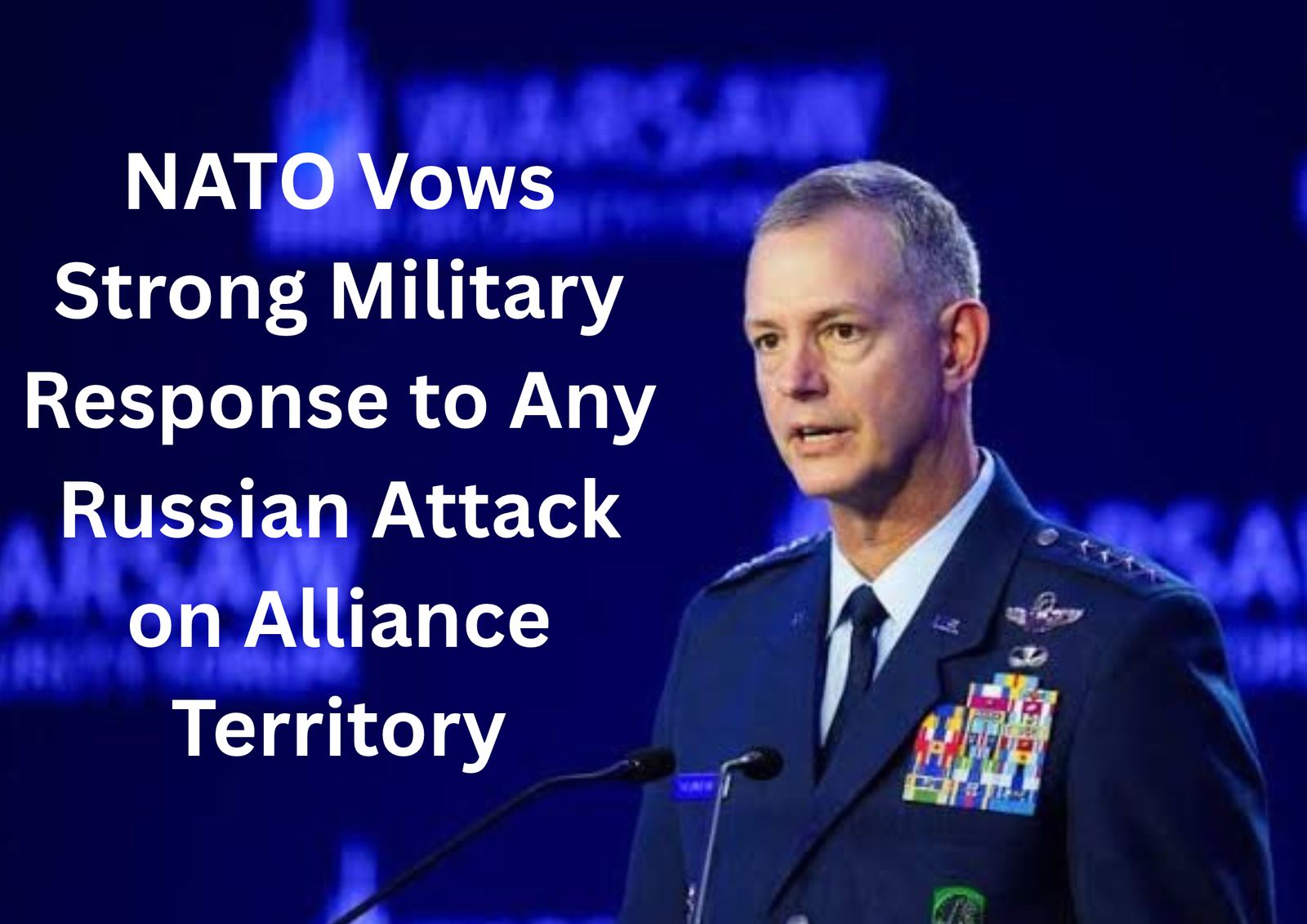
U.S. Air Force General Alexus Grynkewich, NATO’s Supreme Allied Commander Europe, outlined the alliance’s military response strategy during the Warsaw Security Forum on October 12. He emphasized that NATO would not allow an attack on any member country to succeed and would respond with coordinated military force if an adversary chose to launch an assault.
Grynkewich presented a three-stage approach designed to prevent an enemy from gaining territory, halt further advances and, if necessary, destroy the systems that enable an attack to continue.
NATO Outlines Three Stages of Military Defense
The strategy centers on three main objectives: blocking an initial assault, blunting the enemy’s advance and breaking its ability to sustain military operations.
The first stage would focus on preventing hostile forces from capturing allied territory. NATO’s land forces would engage advancing troops and work to stop them from establishing a foothold inside member states.
If an attack continued, the second stage would aim to prevent further progress by combining military capabilities across land, air and other operational domains. Advanced surveillance systems, drones and autonomous technologies could help identify threats, track enemy movements and improve the speed of defensive operations.
The third stage would target the broader military system supporting the attack. This could include command structures, reinforcements, supply networks and other capabilities required to keep forces operating on the battlefield.
Grynkewich made clear that NATO’s response would not necessarily be restricted to the troops directly involved in an initial assault. The alliance would also seek to neutralize the systems that allow an adversary to coordinate, supply and sustain its forces.
The objective, he explained, is to make any attack against a NATO member ineffective and prevent an aggressor from achieving its military goals.
Advanced Technology to Strengthen NATO’s Defenses
The proposed approach draws on lessons from modern warfare, particularly the fighting in Ukraine, where drones, electronic surveillance and precision weapons have played increasingly important roles.
NATO plans to make greater use of interconnected sensors, unmanned systems and long-range weapons to identify threats and disrupt hostile operations. Autonomous technologies could help create defensive zones in which enemy movements are detected and challenged before an attack gains momentum.
The strategy also envisions striking military targets that support an advancing force, including command facilities and air-defense capabilities. By disrupting coordination and limiting the arrival of reinforcements, NATO aims to reduce an adversary’s ability to maintain a prolonged offensive.
However, putting these plans into practice will require sufficient weapons, reliable intelligence, modern equipment and close coordination among all member countries. Concerns about ammunition shortages and the availability of advanced air-defense systems remain important challenges.
Growing Security Concerns Across Europe
NATO’s warning comes amid growing concerns among European governments about suspected sabotage, drone incursions and cyberattacks. Western officials have increasingly focused on activities they believe are intended to weaken infrastructure, disrupt military preparedness or create divisions among allied nations.
Russia has repeatedly denied involvement in sabotage operations, while Russian officials have also rejected claims that Moscow intends to attack European countries.
Nevertheless, NATO members, particularly those along the alliance’s eastern flank, have been strengthening their defenses and preparing for a range of possible security threats. The experience of Ukraine has reinforced concerns that modern conflicts can involve both conventional military operations and less direct forms of confrontation.
Grynkewich’s remarks were intended to demonstrate that the alliance has a coordinated response ready should a direct attack occur. He also sought to reassure NATO’s population that the organization understands the threats it faces and is preparing to address them.
Questions Over the United States’ Role
The warning also comes as European allies continue to assess the future of American military involvement in Europe. Uncertainty surrounding U.S. policy and the possibility of changes to American troop deployments have raised questions about how NATO would maintain its deterrence capabilities over the coming years.
The United States remains a central military power within the alliance, particularly in areas such as intelligence, air defense and long-range strike capabilities. Any significant reduction in American support could increase pressure on European members to expand their own defense production and military readiness.
NATO’s collective-defense commitment remains central to its strategy. Under Article 5 of the North Atlantic Treaty, an armed attack against one member is treated as an attack against all, although each ally determines the action it considers necessary to assist the country under attack.
Grynkewich stressed that NATO’s purpose is to protect its members rather than pursue a broader military defeat of Russia. The strategy is designed to prevent aggression, stop an attack if it occurs and ensure that an adversary cannot sustain its offensive.
Deterrence Remains NATO’s Main Objective
Despite the forceful language, the commander did not suggest that a major conflict with Russia was inevitable or imminent. Instead, his message was that military preparedness is essential to preventing war.
By publicly explaining how NATO would respond to an attack, the alliance hopes to discourage potential aggression and reduce doubts about its willingness to defend its members.
The effectiveness of the strategy will depend on more than military planning. Member countries will need to maintain political unity, invest in defense capabilities and ensure that their forces can operate together under pressure.
For now, NATO’s position is clear: any attack on alliance territory would trigger a coordinated defense effort intended to stop the advance and undermine the military capabilities sustaining it. The broader objective is to preserve peace by convincing potential aggressors that the costs of attacking a NATO member would outweigh any possible gains.
