

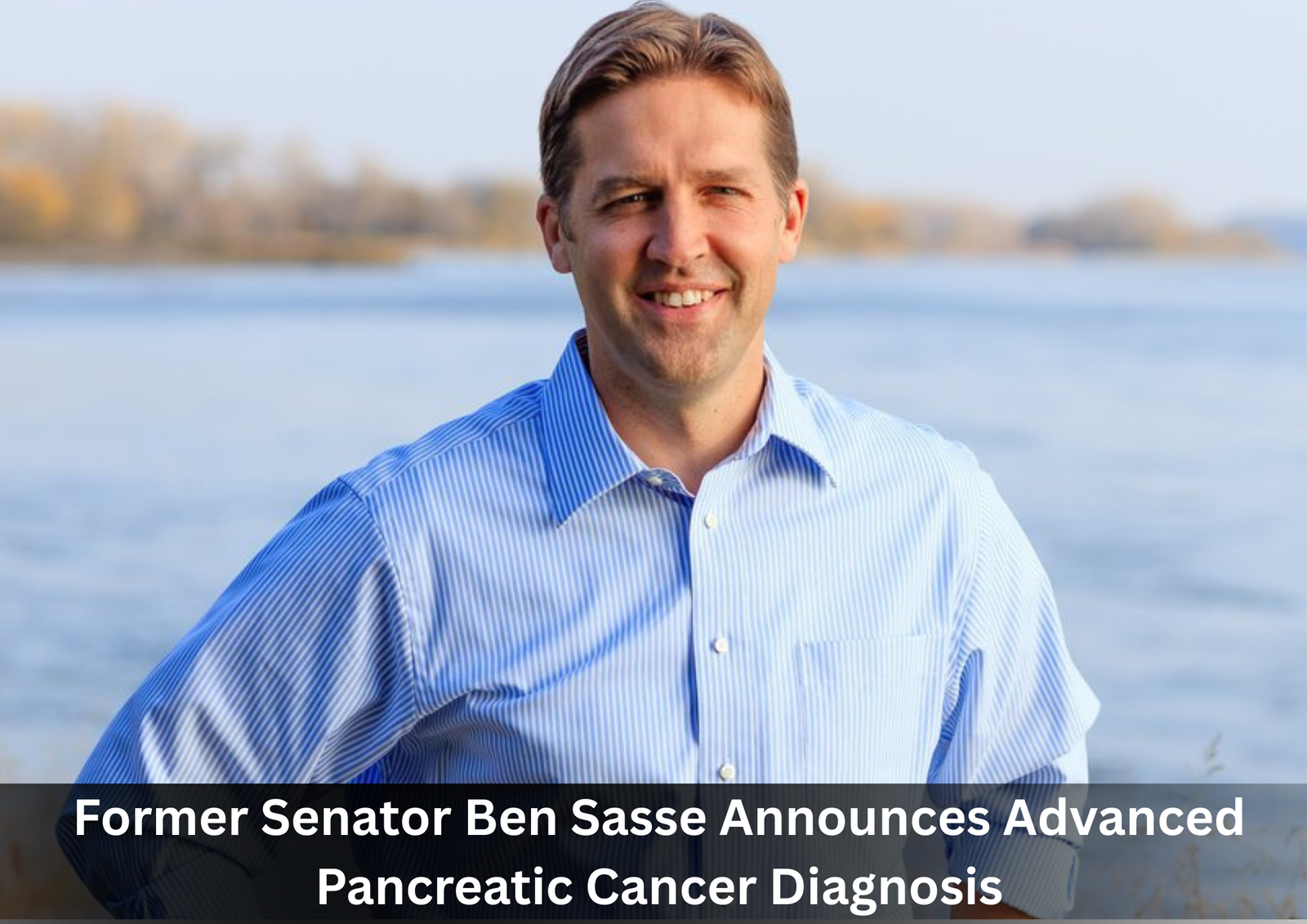
Former U.S. Senator Ben Sasse has disclosed that he has been diagnosed with stage four pancreatic cancer, a serious and aggressive form of the disease. The 53-year-old former Nebraska Republican shared the news publicly on Tuesday, saying the cancer has already spread beyond the pancreas.
In a personal statement released online, Sasse acknowledged the gravity of the diagnosis while reflecting on mortality and faith. He said the diagnosis was delivered last week and described pancreatic cancer as one of the most difficult illnesses to overcome. Despite the prognosis, Sasse emphasized his intention to pursue treatment and remain engaged with his family and beliefs.
A Message Rooted in Faith and Resolve
Sasse framed his announcement during the Christian Advent season, describing it as a period centered on hope and spiritual reflection. He expressed deep appreciation for his wife and three children, crediting them with providing strength during the early days of the diagnosis. He also indicated that he is examining emerging treatment options, including developments in immunotherapy, and made clear he does not intend to give up easily.
Public Life and Recent Years
A Republican, Sasse served in the U.S. Senate from 2015 until his resignation in early 2023. During his tenure, he became nationally known for taking independent positions within his party, including voting to convict President Donald Trump during the second impeachment trial related to the January 6 Capitol attack.
After leaving the Senate, Sasse assumed the role of president of the University of Florida. He stepped down from that position in mid-2024, citing serious family health challenges, including his wife’s epilepsy diagnosis and subsequent stroke. Later scrutiny from state auditors regarding university spending practices led to public debate, though Sasse has denied any wrongdoing.
Support from Nebraska Leaders
Following the announcement, current and former Nebraska officials from across the political spectrum offered public messages of support. Lawmakers praised Sasse’s character, resilience, and openness about his faith, noting that his willingness to speak candidly about illness may help raise awareness about a disease that often goes undetected until advanced stages.
About Pancreatic Cancer
Pancreatic cancer is among the deadliest forms of cancer, largely because symptoms frequently appear only after the disease has progressed. While it represents a small percentage of overall cancer diagnoses in the United States, it accounts for a disproportionate number of cancer-related deaths. Medical professionals continue to stress the need for improved detection methods, as no standard early-screening blood test currently exists.
As Sasse begins treatment, his announcement has drawn attention not only to his personal battle but also to the broader challenges surrounding pancreatic cancer research, awareness, and care.