
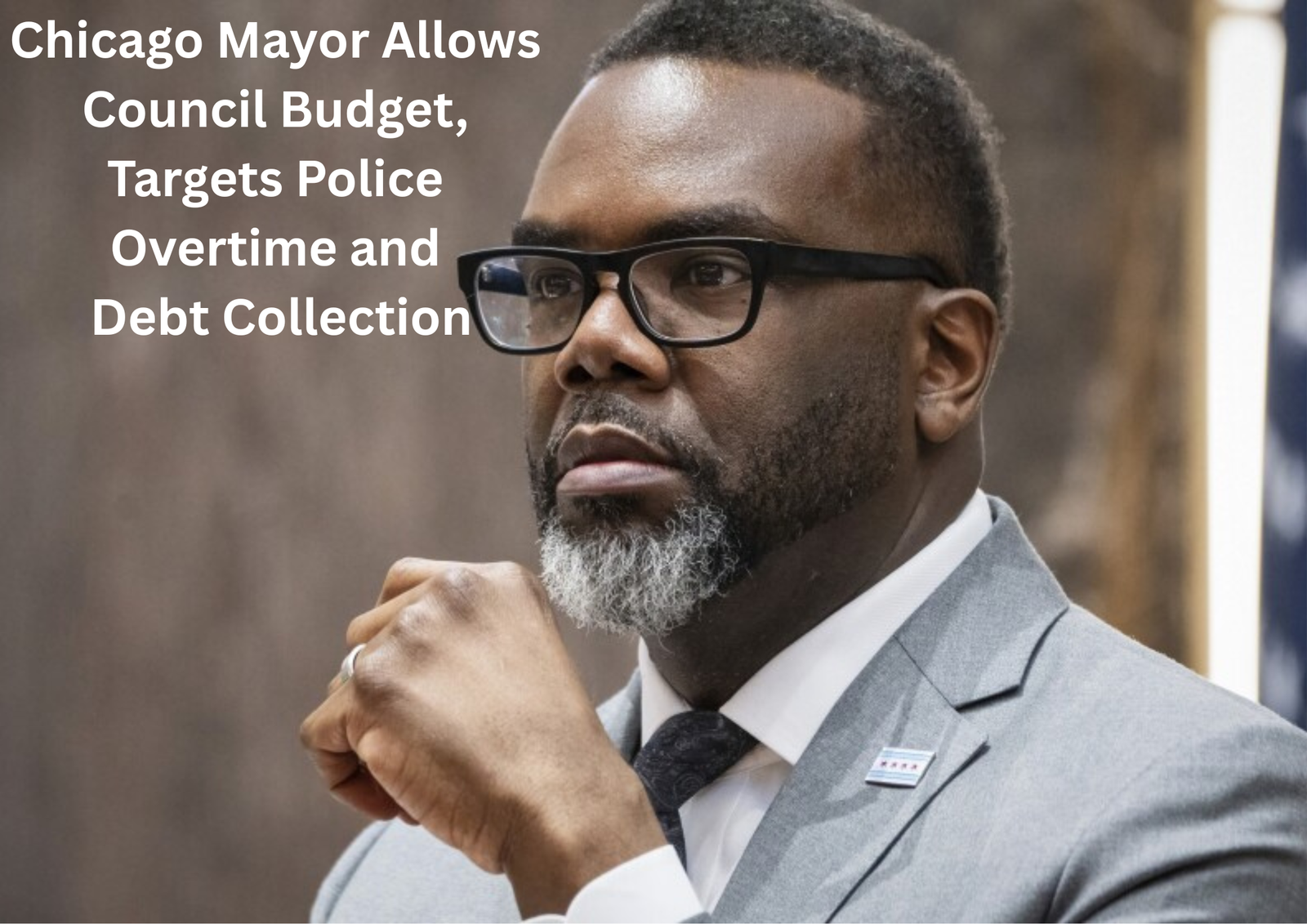
Chicago will enter the new fiscal year without a government shutdown after Mayor Brandon Johnson confirmed he will allow the City Council’s $16.6 billion spending plan to become law without his signature. The decision brings an end to weeks of intense negotiations and political conflict over the city’s 2026 budget.
The alternative budget, approved by a slim council majority on December 21, is scheduled to take effect on December 31. Although Mayor Johnson has repeatedly criticized the plan, city officials confirmed that under municipal rules, the budget will automatically become law five business days after passage if not vetoed.
Speaking Tuesday, Johnson said blocking the budget would have created unnecessary uncertainty for residents and city workers.
“Chicagoans are already facing enough pressure,” the mayor said. “I will not introduce the risk of a shutdown that would disrupt essential services.”
Budget Dispute Ends, But Disagreements Remain
The adopted spending plan was advanced by a coalition of 30 aldermen after rejecting the mayor’s proposal for a corporate head tax. While Johnson labeled portions of the budget “financially irresponsible,” he acknowledged that certain elements align with his policy goals.
Among those measures are a historically large surplus from the city’s Tax Increment Financing program, funding increases for public schools, libraries, and parks, and continued support for youth employment initiatives. The plan also avoids major tax increases on groceries, garbage collection, and property owners, though it includes a modest library-specific property tax increase averaging roughly $11 per homeowner.
The budget introduces new revenue streams, including expanded video gaming, higher shopping bag fees, a retail liquor tax, congestion charges on rideshare services in additional zones, and advertising on city-owned infrastructure.
Executive Orders Address Mayor’s Key Concerns
While allowing the budget to proceed, Johnson took immediate action on issues he said raised ethical concerns. He signed an executive order preventing the sale of city-held medical debt to private collectors and establishing stricter transparency requirements for debt collection involving city services.
The mayor sharply criticized provisions allowing the city to pursue outstanding debts tied to services such as ambulance transport, utilities, and traffic enforcement.
“Chasing working families through aggressive debt collection is not acceptable,” Johnson said.
A second executive order targets police overtime costs, which have exceeded budgeted limits in recent years. The directive creates new oversight standards for approving overtime beyond the annual cap, with the stated goal of improving accountability while safeguarding officer health and workload balance.
Council Leaders Defend Plan
Aldermen who supported the alternative budget acknowledged its limitations but emphasized the urgency of maintaining city operations. Several noted that vetoing the plan would have left Chicago without an approved budget for weeks, as the council is not scheduled to meet again until late January.
Some members of the mayor’s own political base reportedly signaled they would not back a veto if it resulted in service disruptions.
Looking Ahead
Although the immediate fiscal deadline has passed, tensions between the mayor’s office and the City Council are far from resolved. Council leaders have already indicated resistance to reviving the corporate head tax, calling it politically unviable.
Both sides agree that amendments and policy adjustments are likely in the coming months as Chicago continues to address long-term financial challenges.
For now, city services remain funded, and Chicago moves into 2026 with a budget in place – albeit one shaped by compromise rather than consensus.