

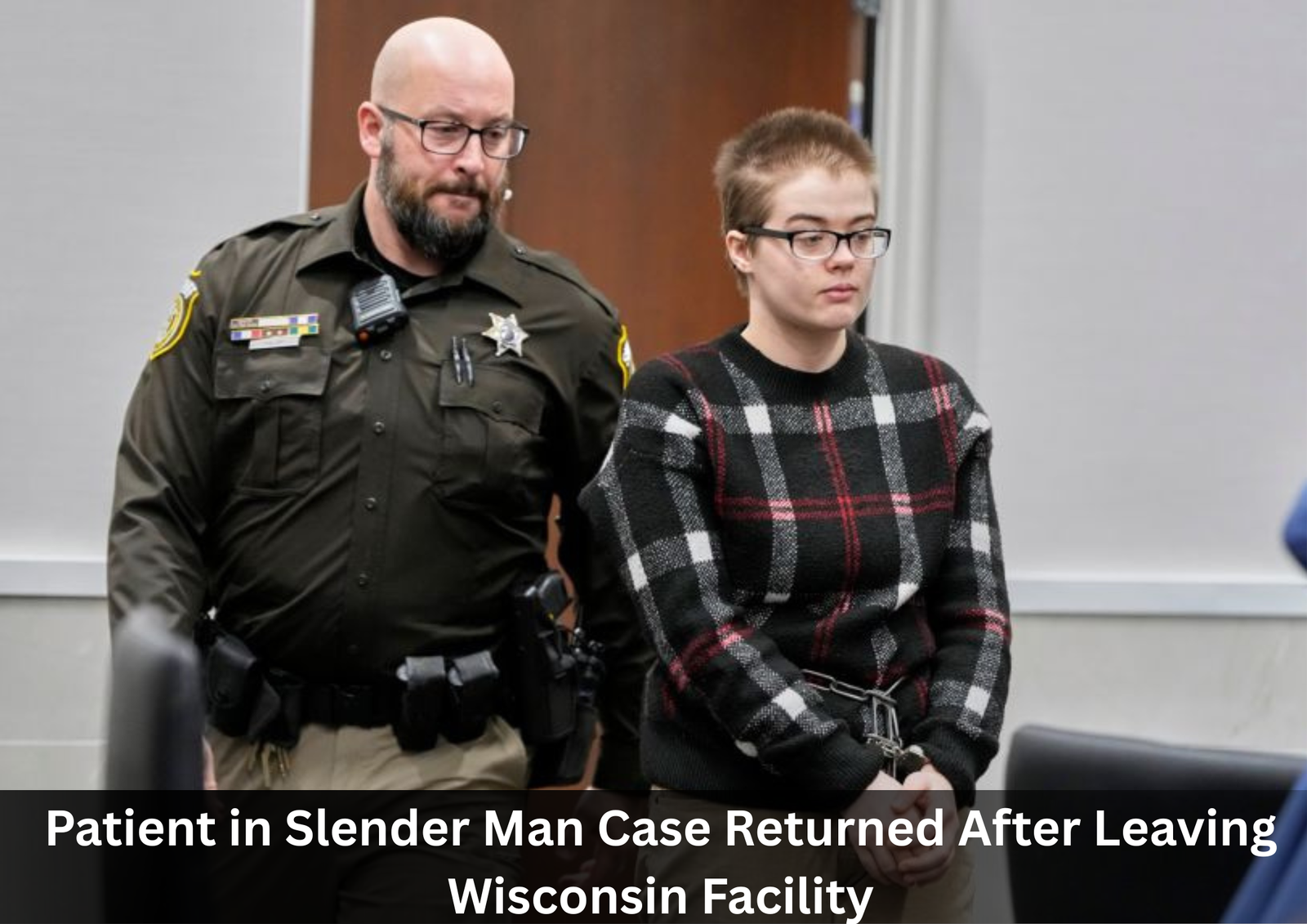
A Wisconsin judge has ordered the return of Morgan Geyser to a state psychiatric hospital after she left her supervised living placement without authorization last month, officials confirmed Tuesday.
Geyser, now 23, gained national attention more than a decade ago for her role in a 2014 stabbing attack on a middle school classmate that authorities later linked to severe mental illness. She had been living under conditional release in a group home setting since September, following years of treatment in a secure psychiatric facility.
During a court hearing held remotely, Waukesha County Circuit Judge K. Scott Wagner approved a request from the Wisconsin Department of Health Services to revoke that release. Geyser did not challenge the decision and was transferred back to inpatient care at the Winnebago Mental Health Institute shortly afterward.
According to court records, the conditional placement was granted after an extended search for a suitable facility willing to accept her. State officials had expressed reservations at the time, citing ongoing concerns about supervision and public safety.
Those concerns resurfaced on November 22, when authorities reported that Geyser removed her electronic monitoring device and left the group home without permission. Law enforcement agencies across state lines were alerted, and she was located the following day at a truck stop in Illinois, roughly 170 miles from Madison.
Police said Geyser was not alone when found and appeared unharmed despite cold weather conditions. Investigators later indicated that her departure was motivated by emotional distress related to personal relationships and restrictions imposed by the terms of her placement.
The case dates back to 2014, when Geyser and another juvenile attacked a classmate in a suburban Milwaukee park. The victim survived despite sustaining multiple stab wounds and was able to seek help. The incident shocked the nation and sparked widespread discussion about youth mental health and online influences.
Medical evaluations later determined that Geyser suffered from untreated schizophrenia at the time of the attack. She was ultimately found not guilty by reason of mental disease or defect and committed to long-term psychiatric care rather than prison.
Her co-defendant was released under supervision several years earlier and remains under court-ordered conditions.
State health officials say Geyser will continue receiving treatment while in secure care, and any future requests for conditional release will be closely evaluated. The court did not set a timeline for further review.