
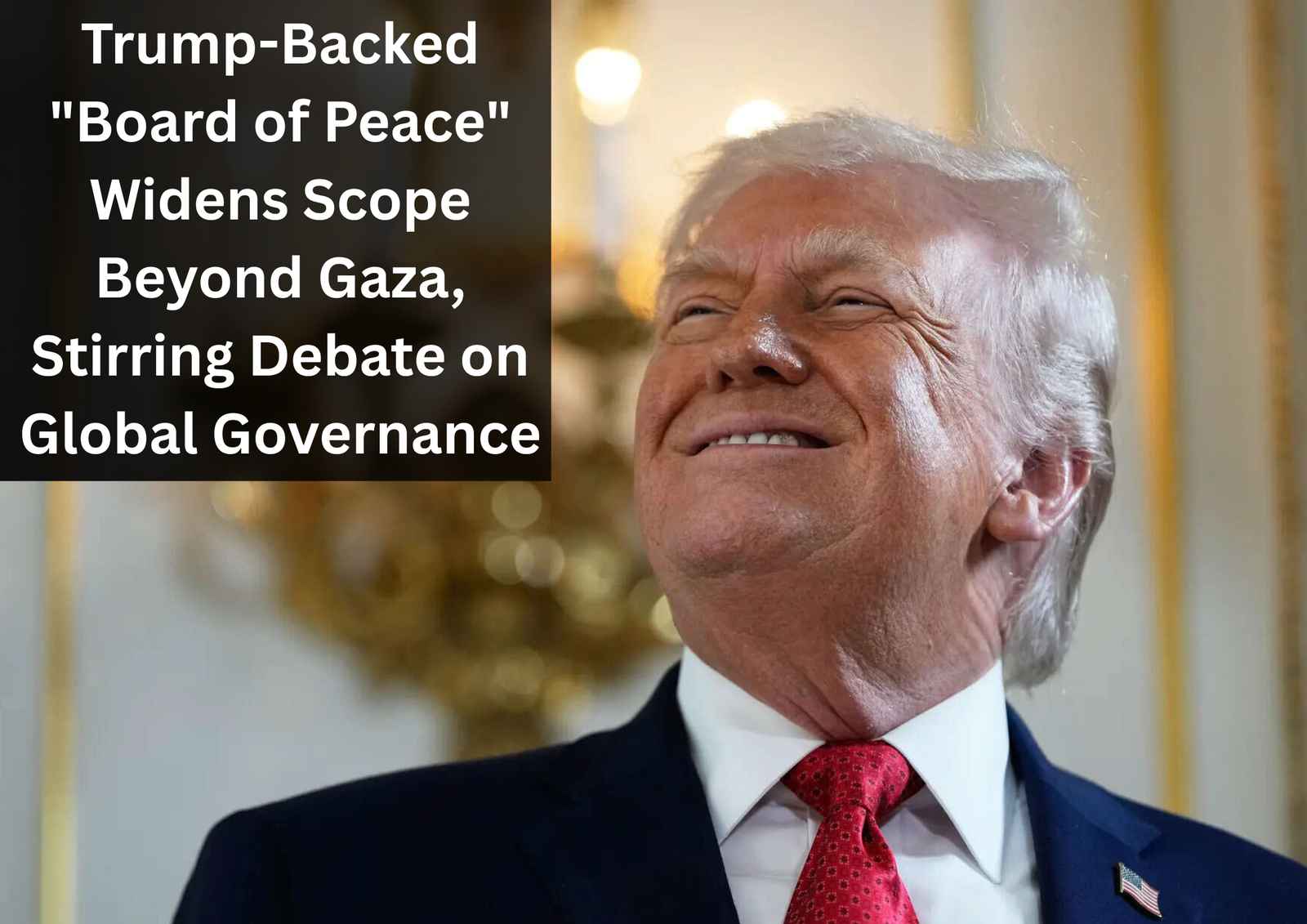
A U.S.-led diplomatic initiative promoted by president Donald Trump is drawing growing international attention as its membership expands and its mission broadens well beyond its original focus on Gaza, raising fresh questions about how it would coexist with the United Nations.
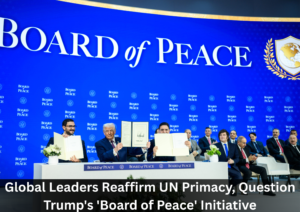
Seven additional countries – Saudi Arabia, Turkey, Egypt, Jordan, Indonesia, Pakistan, and Qatar – announced this week that they will participate in the proposed “Board of Peace,” an entity initially presented as a mechanism to help secure a lasting ceasefire in Gaza and coordinate postwar reconstruction. Their decision significantly enlarges a coalition that already includes Israel and a diverse group of nations spanning Europe, Asia, and Latin America.
According to a joint statement, the expanded group supports efforts to stabilize Gaza, assist rebuilding efforts, and promote what it describes as a just and durable peace. However, U.S. officials now characterize the board’s mandate in much broader terms, saying it aims to help “secure enduring peace” in regions affected or threatened by conflict worldwide.
That shift has unsettled several governments, particularly in Europe, which worry the structure could duplicate – or even undermine – existing multilateral institutions. France, Norway, Sweden, and Slovenia have all declined invitations to join, openly questioning whether the initiative is designed to take on roles traditionally held by the United Nations. French officials said they oppose creating any new body that would effectively replace established international frameworks.
At the center of the controversy is the board’s proposed charter, which grants Trump sweeping personal authority as its inaugural chair. The document gives him veto power over decisions, control of the agenda, authority to invite or dismiss members, and the ability to dissolve subsidiary bodies or appoint a successor. Participation terms are renewable every three years, while countries contributing $1 billion would be eligible for permanent seats.
Interest from major powers remains uncertain. Vladimir Putin said Russia is reviewing the proposal and indicated a willingness to commit significant funding, while China has acknowledged receiving an invitation but has not announced a decision.
The board’s role in Gaza is also complex. A U.S.-brokered plan envisions an initial phase centered on a ceasefire, exchanges of hostages and prisoners, limited Israeli withdrawals, and increased humanitarian aid. A second phase – to be overseen by the board – would involve large-scale reconstruction, the disarmament of Hamas, and the deployment of an international security force. Both Israeli and Palestinian positions on these steps remain sharply opposed, leaving the ceasefire fragile.
Supporters argue the Board of Peace could offer a more flexible and results-driven alternative to slow-moving international processes. Critics counter that concentrating authority in a single leader and creating a parallel global structure risks weakening the existing international order at a moment of heightened geopolitical tension.
As invitations continue to circulate and responses trickle in, the initiative’s ultimate influence – and its relationship with the United Nations system – remains uncertain, setting the stage for an extended diplomatic debate in the months ahead.
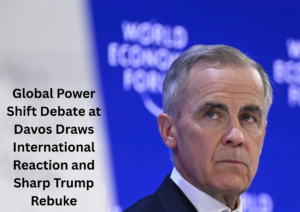
For deeper insight into Carney’s Davos Speech on Global Power Shift Triggers International Reaction and Sharp Trump Response, read the full analysis in this blog for context, reactions, and global implications.