A political storm is gathering across Europe as the European Union weighs how to use the hundreds of billions in Russian central bank assets frozen since the start of the Ukraine war. The debate has deepened after Russian President Vladimir Putin warned that any attempt to seize the funds outright would be met with retaliation, while officials in Kyiv continue to plead for urgent financial aid.
Belgium Pushes Back Against Full Asset Seizure
Belgian PM Bart De Wever, currently steering coalition negotiations and seen as the frontrunner to become the country’s next prime minister, has emerged as one of the strongest critics of confiscating Russia’s frozen reserves.
Belgium hosts a large concentration of the assets through the clearing giant Euroclear, and De Wever argues that crossing the line from freezing to seizing would damage the euro’s reputation and undermine global trust in Europe’s financial system.
His resistance poses a major obstacle for the EU, which requires every member state’s approval before taking such a legally complex step.
Putin Warns of “Theft” and Retaliation
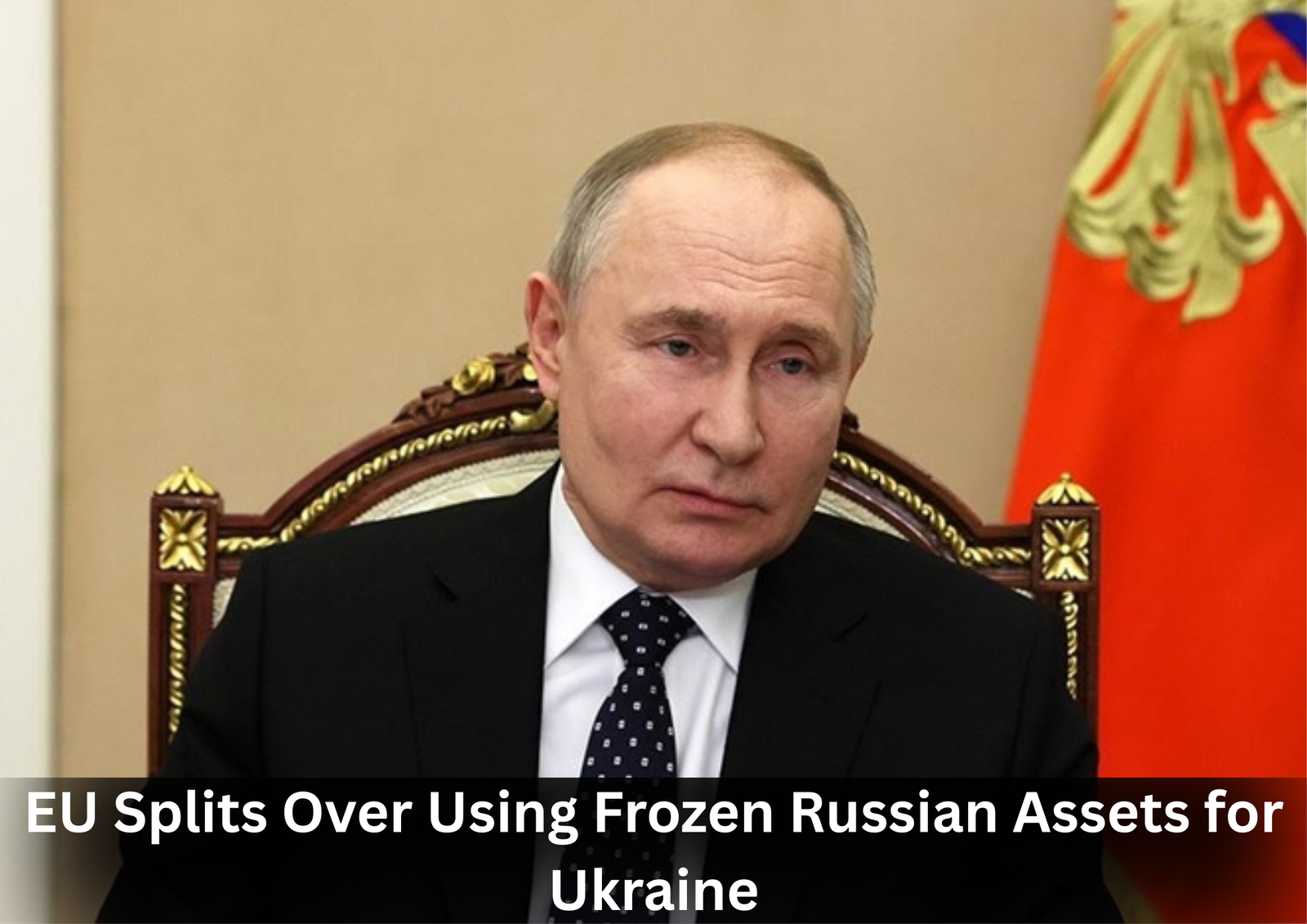
The Kremlin escalated its rhetoric this week. President Putin accused the EU of contemplating “theft” and warned that Moscow would deliver a firm response if its state assets were confiscated.
Although he did not outline specific countermeasures, Putin suggested Russia holds substantial resources abroad that could be targeted in return. He framed the potential seizure as a grave violation of free-market norms, portraying the EU as risking economic instability for political motivations.
EU Eyes Compromise as Ukraine Sounds the Alarm
Amid the divisions, the EU is moving toward an alternative plan: tapping into the interest generated by the frozen Russian assets. These windfall profits-worth several billion euros per year-could be redirected to Ukraine without requiring full ownership of the underlying funds.
The Group of Seven nations have signaled broad support for this approach, but progress has been slow, prompting frustration in Kyiv.
A senior Ukrainian official stressed on November 27 that external financial assistance is now “critical,” warning that delay could worsen the country’s already severe wartime budget strain.
A Debate With Global Consequences
The fate of the roughly $140 billion in Russian reserves frozen across Western economies has been a contentious issue since Russia’s full-scale invasion in 2022. The United States has backed a more aggressive stance, including possible seizure, while major EU powers-Belgium, France, and Germany-have favored legal caution, concerned about weakening the stability of the global financial system.
For now, the EU’s internal divisions remain unresolved, leaving Ukraine anxiously waiting and Russia vowing retaliation. The debate has become a symbol of the West’s broader struggle to support Kyiv while navigating the political, legal, and economic risks of escalating pressure on Moscow.