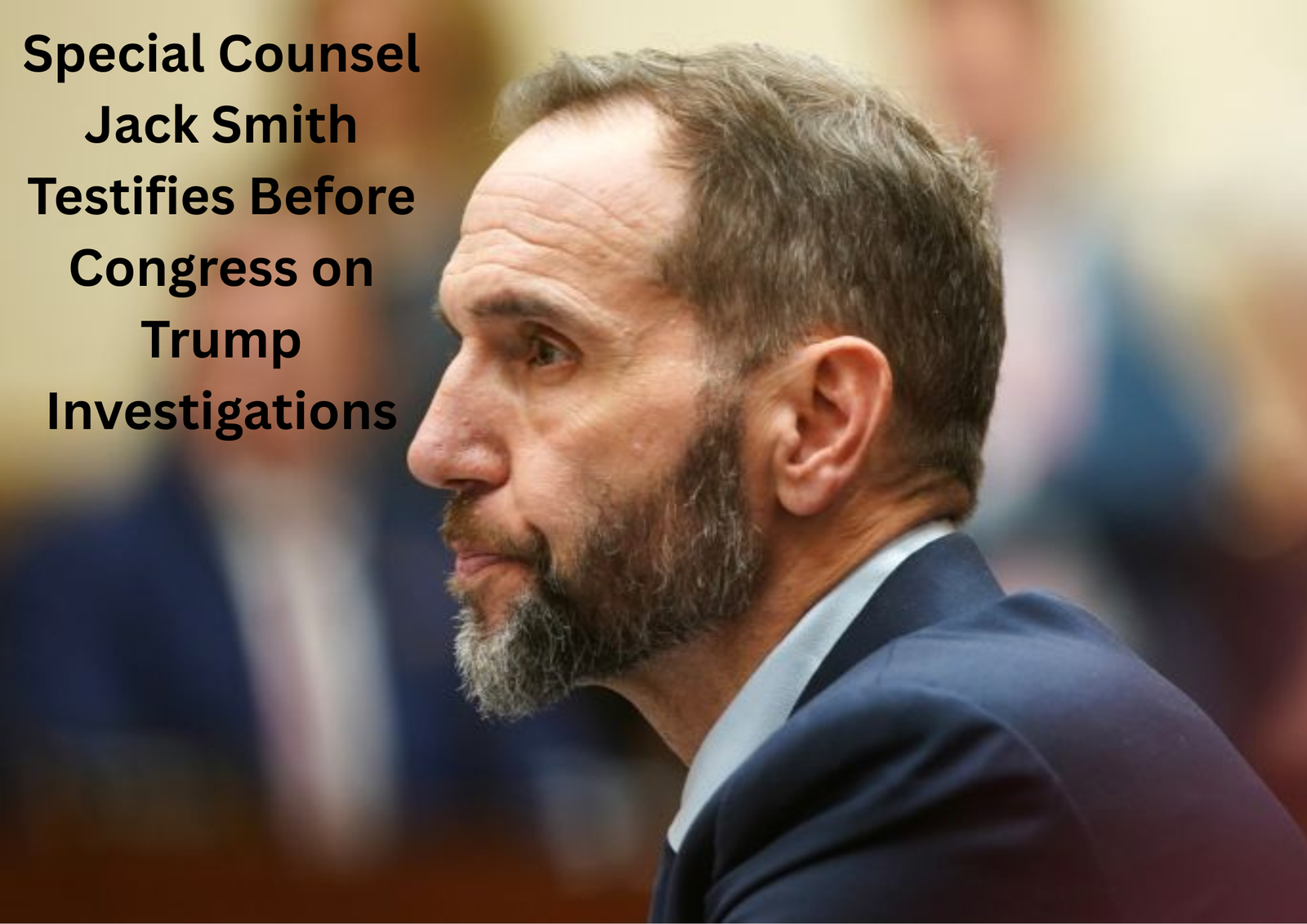
Former Special Counsel Jack Smith appeared before the House Judiciary Committee this week in a rare public testimony, forcefully defending his past investigations into President Donald Trump and asserting that his team uncovered evidence meeting the highest criminal standard under U.S. law.
The hearing, which stretched more than four hours, marked Smith’s most extensive public remarks since the Department of Justice ended its prosecutions after Trump’s return to the White House in 2024. Lawmakers from both parties used the session to debate the legitimacy, motivation, and consequences of one of the most consequential criminal inquiries involving a president.
Smith Presents His Case Outside the Courtroom
Smith told lawmakers that his prosecutorial decisions were driven strictly by evidence and legal obligations, not political considerations. He emphasized that the conclusions reached by his office would have been the same regardless of the political party involved.
According to Smith, the investigations produced evidence that, in his view, justified criminal charges under existing federal law. While the cases never reached trial, he maintained that the outcomes were shaped by long-standing Justice Department policy rather than a lack of prosecutorial confidence.
Smith was appointed special counsel in late 2022 by then–Attorney General Merrick Garland, a move intended to ensure independence as Trump prepared another presidential run.
Republican Lawmakers Challenge Credibility and Process
Republican members of the committee focused much of their questioning on the origins, cost, and procedural details of Smith’s appointment. Chairman Jim Jordan characterized the investigation as politically motivated and questioned whether Smith’s oath of office had been properly executed.
One line of inquiry centered on a technical issue involving Smith’s initial swearing-in, which critics argued could undermine the legitimacy of his role. Smith responded that he was unaware of any defect affecting his authority and stated that he acted under guidance from the Justice Department throughout his tenure.
Despite aggressive questioning, Smith remained composed, repeatedly redirecting the discussion to the evidence and legal standards guiding his decisions.
Two Investigations at the Center of the Dispute
Smith oversaw two separate federal investigations involving Trump. The first examined efforts to challenge the outcome of the 2020 presidential election, including actions taken in the lead-up to the January 6, 2021, attack on the U.S. Capitol. Smith stated that Trump’s conduct contributed directly to the events of that day and that the resulting violence was foreseeable.
The second investigation focused on Trump’s handling of classified materials after leaving office, including sensitive documents discovered at his Mar-a-Lago residence. Both cases resulted in federal indictments before being dismissed following Trump’s election victory, in line with Justice Department policy barring prosecution of a sitting president.
Debate Over Free Speech and Campaign Restrictions
The hearing also revisited Smith’s attempt to limit Trump’s public statements during the 2024 campaign through a proposed gag order. Critics argued the move raised serious First Amendment concerns, particularly given Trump’s status as a presidential candidate at the time.
Smith defended the request as necessary to protect the integrity of the judicial process and prevent intimidation of witnesses, though lawmakers remained sharply divided over whether such restrictions were appropriate.
Political Fallout and Future Implications
Following the hearing, President Trump publicly criticized Smith, accusing him of misconduct and calling for professional consequences. During testimony, Smith acknowledged that he expects continued political retaliation and suggested that efforts to pursue him legally would likely intensify.
The hearing itself sparked debate within Republican circles, with some strategists privately expressing concern that the appearance gave Smith an opportunity to reinforce his narrative before a national audience. Democrats, meanwhile, used the testimony to argue that accountability standards must apply equally, even at the highest levels of government.
Political analysts noted that the hearing underscored broader tensions over executive power, prosecutorial independence, and the limits of presidential immunity. While no immediate legal action followed, the testimony is expected to shape future debates over reforming Justice Department policies and congressional oversight.
A Defining Moment in an Ongoing Political Era
Though the criminal cases are closed for now, Smith’s appearance before Congress reopened public discussion about events that continue to divide the country. Supporters view his testimony as a defense of the rule of law, while critics see it as further evidence of political entanglement within the justice system.
As the nation moves toward another election cycle, the questions raised during the hearing-about accountability, authority, and democratic norms-are unlikely to fade anytime soon.
Don’t miss “Major Winter Storm Triggers State of Emergency Across New York, Bringing Widespread Disruption”-read the full blog to understand the impact, official responses, and what residents are facing statewide.