
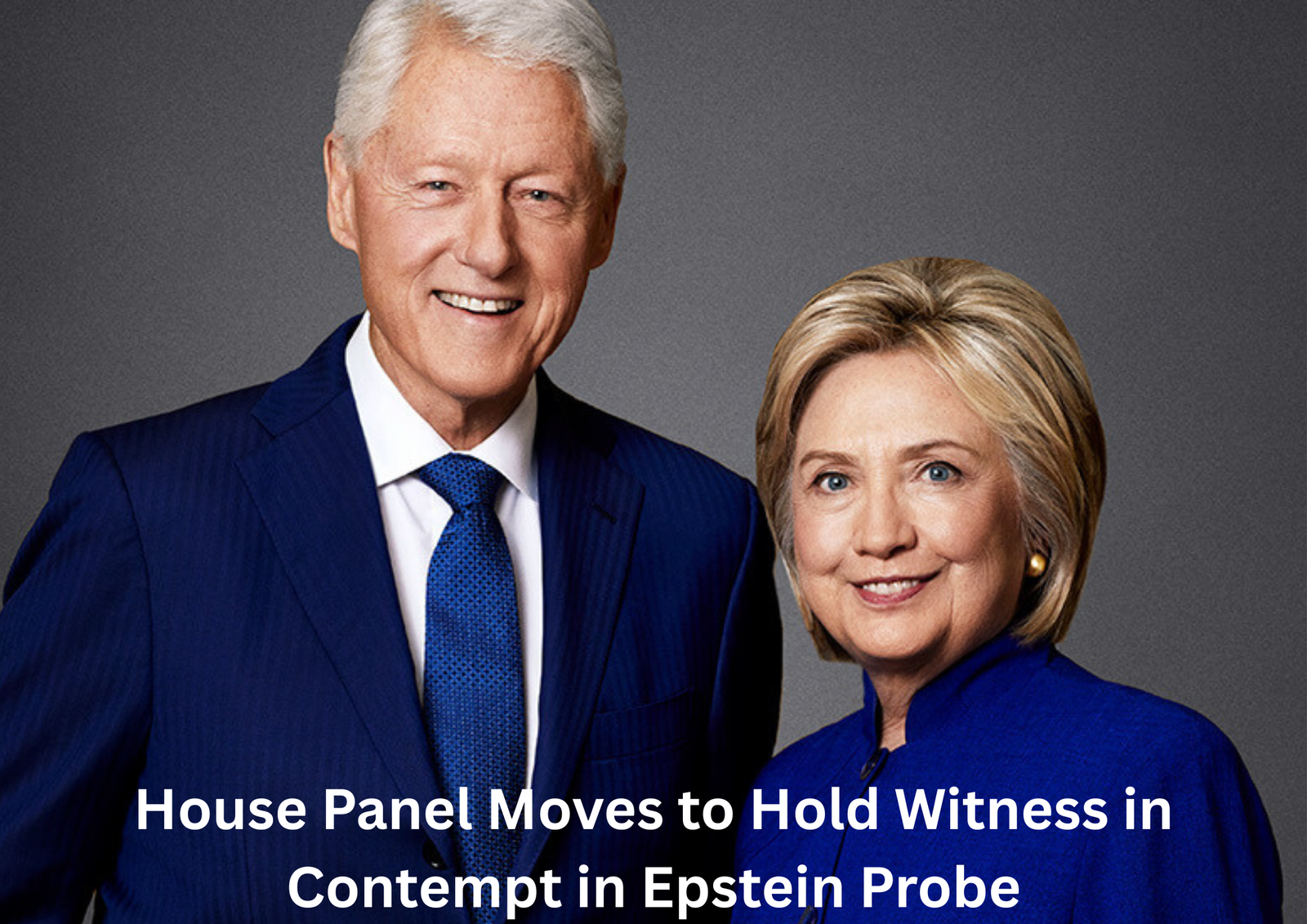
A congressional investigation into the activities and associations of convicted sex offender Jeffrey Epstein intensified this week after a House committee voted to move forward with contempt recommendations against Bill Clinton and Hillary Clinton.
The House Oversight and Accountability Committee approved two separate resolutions citing the former president and former secretary of state for failing to comply with subpoenas requesting sworn testimony. The votes drew support from both major parties, underscoring internal divisions and the politically sensitive nature of the probe.
Committee leaders stated that the subpoenas were issued as part of a broader effort to review potential institutional failures related to Epstein’s crimes and network. Lawmakers backing the resolutions argued that subpoenas must be enforced consistently, regardless of an individual’s status or political background.
If the full House of Representatives adopts the recommendations, the matter would be referred to the Justice Department for consideration. Criminal contempt of Congress can carry significant penalties, including fines and possible jail time, though prosecution decisions rest solely with federal authorities.
Attorneys representing the Clintons contend that the subpoenas are legally flawed and unnecessary, noting that written statements have already been provided to investigators. They maintain that their clients have denied any knowledge of Epstein’s criminal conduct and argue that the committee’s demands exceed legitimate legislative oversight.
The committee’s deliberations followed months of negotiations and a lengthy public session marked by sharp disagreements. Several lawmakers emphasized that the investigation should prioritize accountability for systemic failures and transparency for victims, while others criticized what they described as selective enforcement.
In parallel, the committee continues to pursue testimony from other figures connected to Epstein’s circle, including long-time associate Ghislaine Maxwell, who is expected to appear for a closed session next month.
As the resolutions advance toward a possible floor vote, their ultimate outcome remains uncertain. Lawmakers from both parties say they will review the measures closely before deciding, setting the stage for another contentious debate on Capitol Hill.
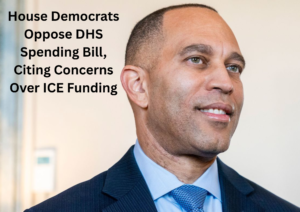
Don’t miss the full context behind “House Democrats Signal Opposition to DHS Spending Plan Amid ICE Funding Concerns”-read the complete blog for deeper insight before drawing conclusions.