Casualty Estimates and Emerging Evidence
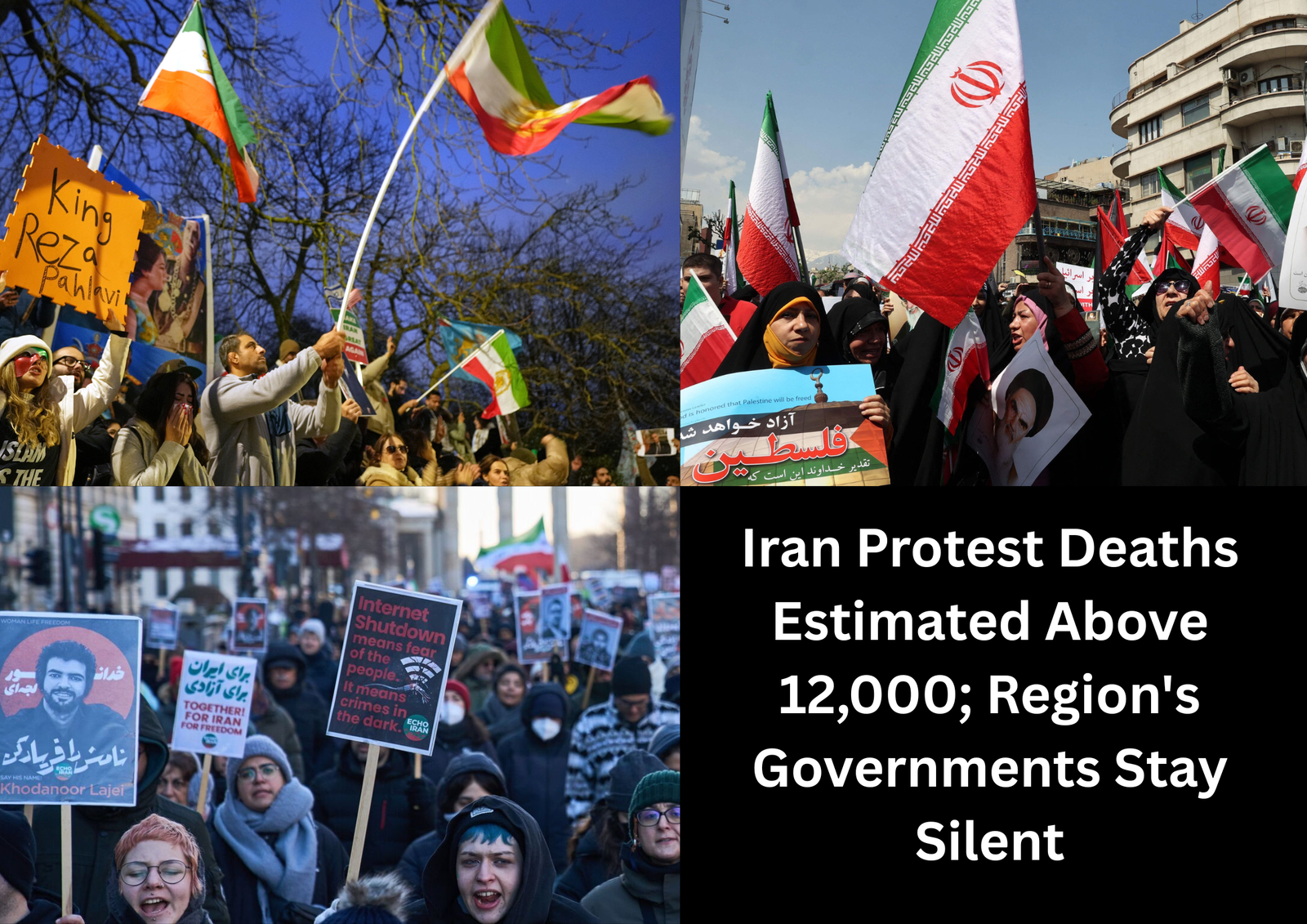
Independent analysts reviewing recent footage and medical data suggest that fatalities from Iran’s latest wave of anti-government demonstrations may exceed 12,000 people, a figure far higher than initial unofficial estimates. Clips circulating online show rows of bodies covered in white sheets inside a facility identified by sources as a Tehran morgue. Medical professionals contacted by rights monitors say the real toll could be significantly greater, though accurate documentation remains difficult due to restricted access.
What Sparked the Unrest
The nationwide rallies, considered the most extensive in years, erupted amid mounting public frustration over Iran’s weakening economy and foreign engagements. Demonstrators have voiced rare, direct criticism of the country’s clerical leadership. In response, state security forces launched a sweeping crackdown that included mass detentions and severe limitations on internet connectivity, measures aimed at stifling communication and shaping the narrative inside and outside the country.
Nuclear Tensions and International Stakes
The domestic turmoil comes as Iran accelerates its nuclear enrichment activities, bringing the country close to possessing material that could be used for nuclear warheads. At the same time, Tehran continues to provide logistical and financial backing to armed groups operating across the Middle East. These developments have stalled diplomatic efforts that once sought to restore nuclear negotiations. Governments in Washington and Tel Aviv view Iran’s expanding nuclear capacity as a serious security concern and a potential tipping point in regional stability.
Muted Reaction from Regional Capitals
Despite the humanitarian fallout and escalating death toll, regional governments across the Gulf and greater Middle East have largely avoided public commentary. Analysts argue that this silence is deliberate. Several states have invested heavily in cautious diplomatic outreach with Iran in recent years, aiming to prevent wider conflict and promote economic cooperation. Open criticism of Tehran’s handling of the protests would likely jeopardize those fragile diplomatic openings.
Economic Pressures Driving Public Anger
Years of sanctions, inflation, and mismanagement have left the Iranian economy in deep distress. Prices for basic goods continue to climb, unemployment remains widespread, and investment has stalled. These economic pressures have merged with political aspirations and long-standing demands for greater social freedoms, helping fuel the scale and persistence of the current protest movement.
“Au Pair Details Alleged Murder Plot in Virginia Double-Homicide Trial – a gripping case everyone should read to understand the chilling twists. Don’t miss the full blog linked here!”