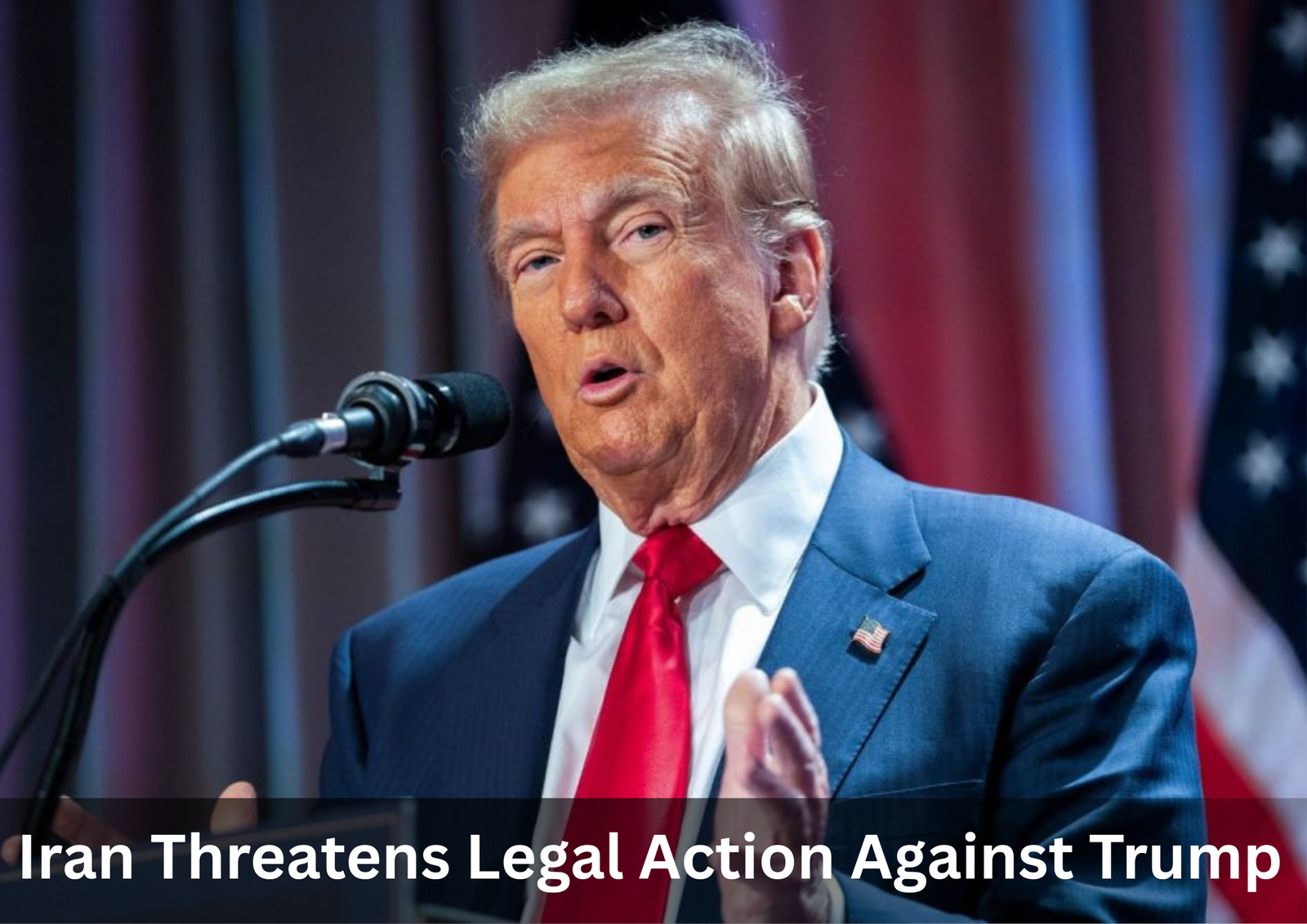
Tensions between Iran and the United States have resurfaced sharply following Tehran’s announcement that it is pursuing international legal measures against the U.S. President Donald Trump. The move comes in response to Trump’s recent public warning to Iran, coupled with long-standing grievances related to the 2020 killing of a senior Iranian military commander.
Iran’s judiciary confirmed that a formal complaint has been submitted to the International Criminal Police Organization, commonly known as Interpol. Iranian officials argue that the complaint is part of an ongoing effort to hold Trump accountable for authorizing a U.S. drone strike in Baghdad that killed General Qassem Soleimani, a prominent figure within Iran’s military leadership.
Legal Claims Rooted in a 2020 Strike
Iranian judicial authorities maintain that the strike violated international law and sovereignty principles. While similar statements have been made by Tehran in previous years, the renewed push underscores Iran’s intent to keep the issue active on the global stage.
Legal experts note that such complaints face significant procedural and political hurdles. Interpol does not issue arrest notices for actions widely regarded as political or military decisions made by state leaders. Nevertheless, Iran’s leadership has framed the action as symbolic as well as strategic, aimed at reinforcing its narrative in international forums.
Trump’s Warning Rekindles Diplomatic Strain
The legal announcement closely followed a social media post by Trump in which he warned Iran against threatening the United States, using language that drew widespread attention. Referring to Iran’s nuclear activities, Trump stated that the U.S. was prepared to respond forcefully if provoked, though he did not specify any particular action or timeline.
The post marked one of Trump’s most direct statements on Iran since leaving office and was quickly circulated by Iranian state media. Analysts say the message likely influenced Tehran’s decision to escalate its legal rhetoric, even if no immediate legal consequences are expected.
Nuclear Concerns Remain Central
Iran’s nuclear program continues to be a major point of contention between Tehran and Western governments. Since the collapse of the 2015 nuclear agreement, Iran has expanded uranium enrichment activities, prompting concerns among international observers.
While Iran insists its nuclear development is intended for civilian purposes, critics argue that the reduced oversight and increased enrichment levels raise proliferation risks. Trump’s comments referenced these concerns, framing them as a direct threat to U.S. and global security.
Commentary on Iranian Protests Adds Another Layer
In the same statement, Trump also addressed ongoing unrest within Iran, expressing support for protesters opposing the country’s leadership. Iran has experienced sustained demonstrations in recent years, initially triggered by social justice concerns and later fueled by economic pressures.
Protests have been reported in multiple cities, with demonstrators citing inflation, unemployment, and declining living standards. Iranian authorities have acknowledged unrest but attribute it to external interference and misinformation.
Trump’s remarks on the protests were met with criticism from Iranian officials, who accused him of exploiting internal challenges for political messaging. The Iranian government has consistently rejected foreign commentary on its domestic affairs.
Economic Pressures Intensify Internal Challenges
Beyond political tensions, Iran continues to face significant economic strain. A weakened national currency, rising consumer prices, and restricted access to international markets have compounded public dissatisfaction. Sanctions imposed over several years remain a major factor, limiting trade and investment.
Reports from within the country suggest that authorities have taken measures to control unrest, including restrictions on internet access during periods of heightened protest activity. Human rights organizations have raised concerns, though Iranian officials dispute claims of excessive force.
U.S. Administration Maintains Different Tone
The current U.S. administration has not echoed Trump’s language, instead emphasizing diplomatic channels and coordinated international pressure. While sanctions remain in place, officials have reiterated that preventing nuclear escalation through dialogue remains a priority, despite limited progress.
Observers note that Trump’s statements, while unofficial, still carry influence due to his political profile and potential future ambitions. As a result, reactions from Iran and the international community continue to treat his remarks as significant.
A Situation Still Unfolding
The renewed exchange highlights how unresolved events from years past continue to shape present-day geopolitics. While Iran’s legal effort against Trump is unlikely to result in immediate action, it reinforces the enduring impact of the 2020 strike and the fragile state of U.S.–Iran relations.
With nuclear negotiations stalled, domestic unrest ongoing, and political rhetoric escalating, analysts warn that miscalculations on either side could further complicate an already volatile situation. For now, the world watches closely as diplomatic, legal, and political pressures converge.
Before you move on, don’t miss this detailed analysis of “FBI Disrupts Alleged Extremist Plot Ahead of New Year in North Carolina”-a must-read blog covering all key developments and implications.