
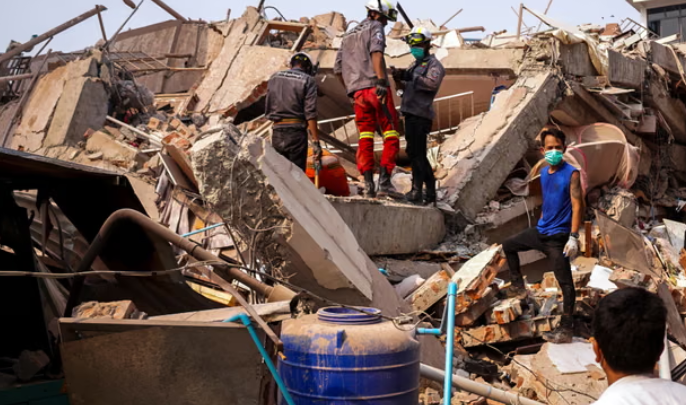
A 6.3 magnitude earthquake struck northern Afghanistan early Saturday, leaving at least 20 people dead and causing significant destruction across Balkh province and surrounding regions. The quake, which originated at a depth of 28 kilometers, sent tremors across several northern cities, including Mazar-e-Sharif, sparking panic among residents who rushed into the streets as buildings swayed.
Officials Confirm Deaths and Damage
Officials from Afghanistan’s disaster management authority confirmed the casualties and ongoing damage assessment. The Taliban’s spokesperson for disaster management stated that emergency response teams have been deployed to the hardest-hit districts, with search and rescue operations already in progress. Villages near the quake’s epicenter suffered collapsed homes and disrupted infrastructure, making access difficult for first responders.
Eyewitnesses reported that several mud-brick houses crumbled during the shaking, trapping families inside. Local hospitals have issued urgent appeals for blood donations as rescue workers continue to pull survivors from the rubble.
Rescue Efforts Underway Amid Harsh Conditions
Rescue teams, supported by volunteers, are working tirelessly to reach isolated areas where communications remain limited. Helicopters and ground vehicles have been dispatched to transport injured residents to medical facilities. Emergency tents and temporary shelters are being set up for those displaced by the disaster.
Authorities fear that the death toll could rise as reports from remote areas continue to come in. The region’s mountainous terrain and fragile infrastructure have made it particularly vulnerable to natural disasters.
Afghanistan’s Ongoing Seismic Struggles
This latest earthquake adds to Afghanistan’s long history of devastating tremors. The country sits on the Himalayan seismic belt, a geologically active region where the Eurasian and Indian tectonic plates collide. Experts note that repeated seismic activity has weakened structures across many northern provinces, increasing the risk of severe damage even from moderate quakes.
In recent years, Afghanistan has faced multiple powerful earthquakes that have destroyed thousands of homes and displaced tens of thousands of residents. The humanitarian toll continues to mount as rebuilding efforts struggle to keep pace with recurring disasters.
Global Response and Aid Concerns
International organizations and neighboring countries have expressed condolences and offered support. Relief agencies are assessing immediate needs, including medical supplies, food, and temporary housing. However, logistical challenges and limited infrastructure may delay the arrival of large-scale aid.
As the nation mourns and begins recovery efforts, experts emphasize the need for improved earthquake preparedness, stronger building standards, and better emergency coordination to mitigate future losses.
Summary:
A 6.3 magnitude earthquake struck Balkh province in northern Afghanistan, killing at least 20 people and causing widespread damage. Rescue operations are ongoing as authorities work to assist survivors in affected areas. The country remains highly vulnerable due to its location along a major seismic fault line.


